The 77-Day Countdown
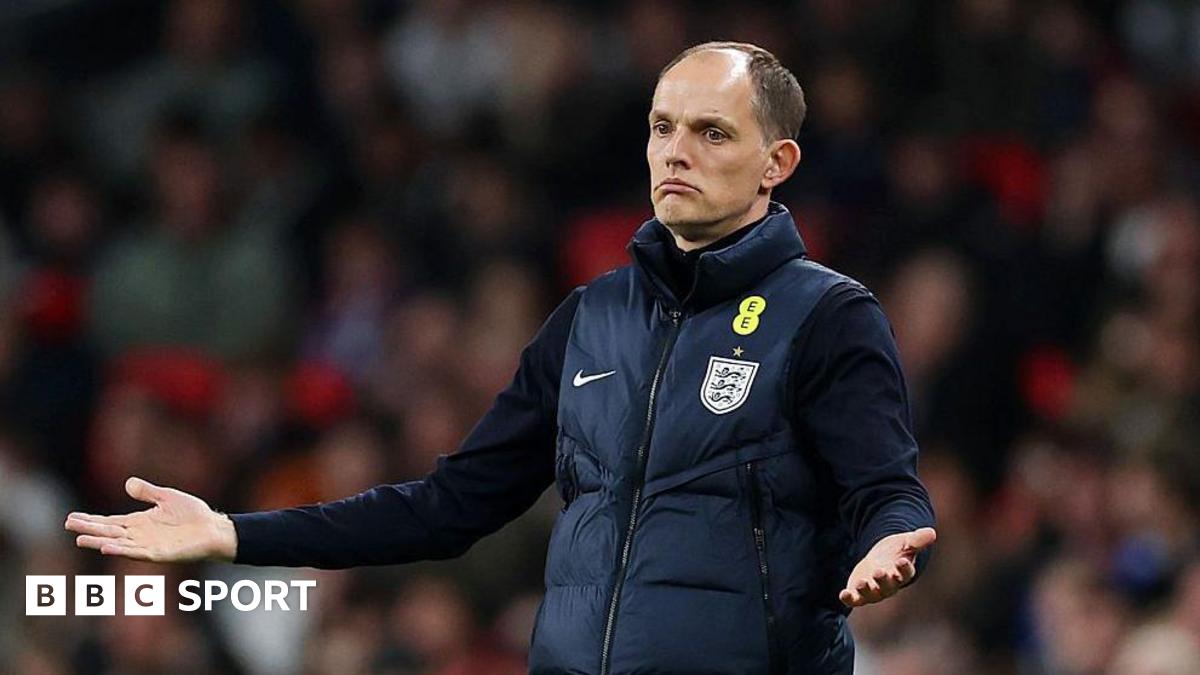
We are exactly 77 days away from the 2026 World Cup kickoff. The squad picture for England should be crystal clear by now. It isn't. While the attacking permutations take up hours of pub debate, Thomas Tuchel is quietly losing sleep over the left side of his defense.
A year ago, England kicked off their qualifying campaign with a routine 2-0 win over Albania. The defensive structure looked settled. Fast forward to late March 2026, and the left-back position is a glaring vulnerability.
Modern international football is won on the margins. You cannot carry passengers in the knockout stages. You certainly cannot carry players who lack the engine to overlap for 90 minutes or the tactical discipline to invert against a low block. The physical demands of the expanded 48-team tournament, combined with the extreme heat expected across the North American host cities, make stamina non-negotiable.
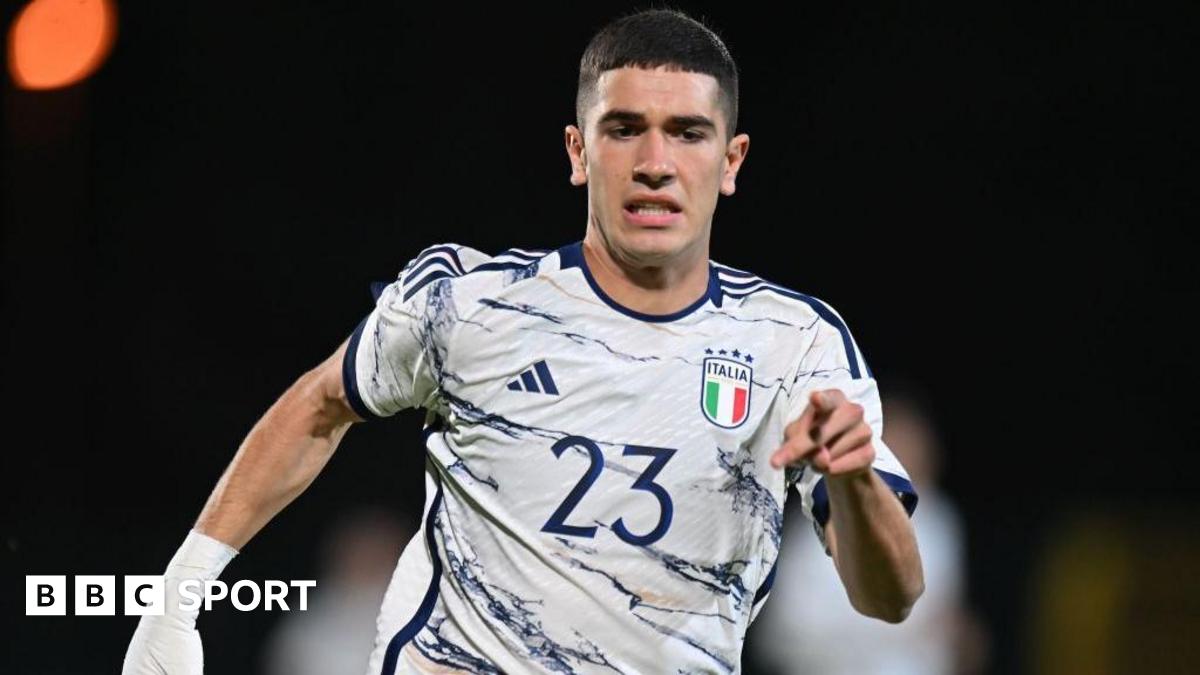
As The Guardian recently pointed out, three leading contenders have emerged for the vacancy. Lewis Hall, Luke Shaw, and Nico O’Reilly are fighting for a ticket to the tournament. But this isn't just a battle of fitness or club form.
It is a fundamental question of what Tuchel wants his defense to do when they have the ball. Because right now, every option has a serious flaw. England's buildup play leans heavily on asymmetric shapes, usually dropping a midfielder into the backline to release the full-backs. The problem is deciding which full-back you actually want on the ball in the final third.
The Ghost of Tournaments Past
Luke Shaw is the romantic choice. He has delivered on this stage before. He scored in a European Championship final. He understands the rhythm of tournament football and the intense media scrutiny that accompanies the England camp.
But banking on Shaw in 2026 is bordering on tactical negligence. He simply cannot be trusted to stay fit through a grueling summer schedule. His recent seasons at Manchester United have been punctuated by long layoffs and rushed returns. When he is physically sharp, his delivery from wide areas is unmatched. He has the ability to hit early, flat crosses into the corridor of uncertainty between the goalkeeper and the center-backs.
When he plays, he operates primarily as a traditional overlapping full-back, creating space for Marcus Rashford or Phil Foden to drift inside. The problem is that his recovery pace has dropped significantly since his latest hamstring issue.
In a high line, that lack of recovery speed is fatal. If England face a side with a direct winger like Ousmane Dembélé or Leroy Sané in the quarterfinals, Shaw will get isolated in transition. You saw the warning signs against Albania last year. He survived the test, but he was exposed on the counter twice in the opening 20 minutes before the midfield adjusted to protect him. You cannot afford those structural adjustments against elite opposition.
The Pragmatic Shift on Tyneside
Lewis Hall offers a very different profile. Eddie Howe has molded him into a modern inverted full-back at Newcastle United. He tucks inside, forms a double pivot, and dictates the tempo of the match from central areas.
He isn't going to sprint to the byline and whip in an early cross. Instead, he looks to thread ground passes between the lines, breaking the opposition's midfield press. His pass completion rate in the opponent's half sits comfortably around the 88% mark this season, a vital metric for a team that wants to monopolize possession.
Tuchel needs someone who can build from the back without turning over possession cheaply. Hall provides that security. He receives the ball under pressure gracefully, using his body to shield possession before finding a simple out-ball. But there is a glaring hole in his game, and it usually happens when he is forced to defend his back post.
Hall struggles aerially. He constantly loses his man when the ball is crossed from the opposite flank. If an opposing right-winger drifts inside to attack the back stick, Hall is often caught ball-watching. It happened against Arsenal in February, and it cost Newcastle three points.
It is a fixable flaw, but you don't fix those habits in a three-week pre-tournament camp. You hide them. Tuchel would have to protect Hall with a left-sided center-back who can comfortably cover the half-space. It requires a systemic compromise that pulls the rest of the defense out of alignment.
The Wildcard from East Manchester
Then there is Nico O’Reilly. A year ago, the prospect of the Manchester City youngster making the World Cup squad seemed very distant.
He was viewed strictly as an attacking midfielder, a long-term project for Pep Guardiola to mold. But football moves fast. Guardiola has increasingly deployed O'Reilly in a hybrid role, starting him wide on the left and demanding he cut inside to create numerical superiority in midfield.
His tactical intelligence is terrifying for someone his age. O'Reilly doesn't just invert; he understands exactly when to underlap the winger and when to hold his width to stretch the defensive block. He is an aggressive presser, leading City's counter-press triggers whenever they lose the ball high up the pitch.
But playing full-back for Pep Guardiola is vastly different from playing full-back in international football. At City, he is surrounded by elite ball retainers. If he misplaces a pass, there is an immediate structure in place to win it back. For England, the structure is rarely that secure.
Can O'Reilly handle isolated 1v1 defensive situations against elite wingers for a full 90 minutes? We don't know. He has rarely been tested in a prolonged low-block scenario. Throwing him into a knockout match against a team that thrives on offensive transitions would be a massive gamble. It is the kind of gamble that either makes a manager look like a genius or gets him sacked in the morning.
Imagine throwing O'Reilly into a quarterfinal against a team like France. If Mbappé or Dembélé isolate him in a wide channel, the sheer physical mismatch would be terrifying. Guardiola protects his full-backs with aggressive, synchronized team pressing that suffocates the opponent before the transition even starts. England simply do not press with that same cohesive intensity.
The Tactical Reality Check
This is where the preview gets slightly depressing. England do not have a perfect left-back. They have three flawed options, each requiring a different tactical safety net.
If you start Shaw, you risk burning a substitution by the 60th minute because his legs are gone. That completely disrupts in-game management during a tight knockout tie, forcing the manager to hold back a creative change just to cover a predictable physical failure.
If you start Hall, you are essentially asking your left-winger to hold maximum width because Hall won't overlap them. That forces an attacker to play wider than they prefer, neutering their goalscoring threat and keeping them away from the penalty area where they are most dangerous.
If you start O'Reilly, you are rolling the dice on a positional conversion that is still in its infancy. It might look brilliant in the group stages, where England will dominate the ball and dictate the tempo. But it could spectacularly implode when the intensity ramps up in the latter stages of the tournament.
Look back at that Albania tape from a year ago. England dominated possession, yet their buildup phase on the left was entirely predictable. When the ball circulated to the left flank, the Albanian right-sided midfielder simply jumped the passing lane, knowing the overlap wasn't coming. It forced the center-backs into recycling possession through the middle, slowing down the attack and allowing the low block to reset.
This predictability is precisely why the selection of the left-sided center-back is now tied intrinsically to the left-back decision. If Tuchel selects Levi Colwill or Jarrad Branthwaite, he gets a natural left-footer who can punch passes through the lines. That theoretically reduces the creative burden on the left-back. But if he opts for a right-footer like Marc Guéhi or John Stones on that side, the left-back must become the primary progressor of the ball. The tactical domino effect is massive.
The Verdict
Tuchel is a pragmatist. He won a Champions League at Chelsea by building a bulletproof defense and relying on moments of transition magic. He isn't going to throw caution to the wind in his first major international tournament.
I predict he takes all three on the plane to North America. But when the first whistle blows on June 11, Lewis Hall will be the starting left-back.
Hall is the safest bet for ball retention. Tuchel will swallow the defensive risk at the back post in exchange for control in the middle third. He will likely instruct his left-winger to stay wide, creating space for Jude Bellingham to crash the box through the left half-space. The system will be built to hide Hall's aerial deficiencies while maximizing his passing range.
Shaw will go as an impact sub, useful only if England are chasing a game and desperately need natural width and crossing ability in the dying minutes. He is a break-in-case-of-emergency option. O'Reilly will go for the experience, a wildcard option against a deep, passive defense in the group stages where his passing ability can help unlock a low block.
It isn't an ideal situation. But international football is about hiding your weaknesses better than the opponent hides theirs. England's left side is vulnerable. The 77-day clock is ticking loudly. The manager needs to hope his pragmatic compromise is enough to mask the cracks before they are exposed on the world's biggest stage.
Read Next
- Thomas Tuchel is about to make Cole Palmer the center of England's universe
- Why Thomas Tuchel needs to hand Cole Palmer the keys to England
- Top 10: The Defining Stories Shaping World Cup 2026
- A Three Lions star hit a 180 in front of Luke Littler and I have questions
- 🏆 World Cup 2026 — Full Coverage Hub
- 🏴 England World Cup 2026 — Three Lions Hub