The Big Picture
The 2025-2026 football season has functioned as a relentless meat grinder, stripping away the pretenders before we even hit the summer heat. We are currently sitting in a volatile pocket of the calendar, exactly 11 days from the Champions League final in Munich and 25 days from a 48-team World Cup that promises to be a logistical nightmare. Between Chelsea’s sudden managerial pivot and a domestic season that refused to follow the script, the hierarchy of European football is being rewritten in real-time.
The Countdown
10. The 48-Team Expansion Reality Check
The logistical shadow of the 2026 World Cup has officially started to darken the domestic calendar. FIFA’s decision to inflate the tournament to 48 teams has forced every major European league to compress their schedules, leading to a visible spike in soft-tissue injuries across the board. Coaches have spent the last month complaining about the three-game-a-week requirement, yet the governing bodies remain unmoved. This isn't a celebration of global football; it is a stress test for the world’s most expensive hamstrings. The tournament in North America will be the ultimate survivor's game, and the current fatigue levels suggest the quality might suffer for the sake of quantity.
9. Erling Haaland’s 45-Goal Routine
We have reached a point where Erling Haaland scoring a hat-trick feels as mundane as checking the weather. The Norwegian striker cleared the 40-goal mark for the season in early May, yet the conversation around him has turned oddly clinical. He has become a victim of his own efficiency, operating with a lack of flair that frustrates the purists while delighting the statisticians. Critics argue that his lack of involvement in the build-up play remains a flaw, but you cannot argue with a man who converts 31 percent of his touches into genuine scoring opportunities. He remains the most terrifying physical presence in the game, even if his highlights look like a repetitive glitch in the matrix.
8. The Fall of the Leverkusen Invincibles
The post-title hangover at Bayer Leverkusen was always coming, but the speed of the decline caught everyone off guard. After Xabi Alonso led them to that historic unbeaten run, the 2025-26 campaign saw the squad look leggy and tactically figured out by Bundesliga mid-tablers. Selling Florian Wirtz would have been a disaster, but keeping him without the same defensive solidity was almost worse. They struggled to maintain the same high-press intensity, proving that lightning rarely strikes twice in the same industrial German city. The aura is gone, and the rebuild in Leverkusen now looks significantly more expensive than previously anticipated.
7. Lamine Yamal’s Ballon d'Or Ascent
At just 18 years old, Lamine Yamal has transitioned from a promising teenager to the tactical focal point of both Barcelona and Spain. His performance in the spring months was nothing short of predatory, consistently dragging a dysfunctional Barca side through tight Champions League fixtures. He isn't just a dribbler; he has developed a vision for the final ball that usually takes a decade to master. While others his age are navigating loan spells in the second tier, he is routinely embarrassing veteran full-backs on the world’s biggest stages. If he stays healthy, the 2026 World Cup will be his coronation, but the sheer volume of minutes he has played is a massive red flag for his long-term durability.
6. The Champions League Swiss Model Fatigue
The new Champions League format has officially completed its first full cycle, and the verdict is mixed at best. While the 'league phase' provided more big-name fixtures in the winter, it also produced a significant amount of dead rubber matches that felt like glorified friendlies. The added fixtures have diluted the prestige of the group stage, turning what used to be a sprint into a sluggish marathon. Fans are increasingly vocal about the lack of stakes in November, and the broadcast numbers reflect a growing apathy toward the expanded schedule. UEFA wanted more revenue, but they might have accidentally traded the soul of the tournament for a few extra mid-week ad slots.
5. Real Madrid’s Transition to Tactical Minimalism
Carlo Ancelotti’s Real Madrid spent the 2025-26 season proving that you don't need a complex system if you simply have better players than everyone else. Their march to another La Liga title was characterized by a bizarre ability to look completely outplayed for 70 minutes before winning 3-0. Kylian Mbappe’s integration hasn't been the smooth transition many predicted, with the Frenchman often occupying the same spaces as Vinicius Junior. Despite the internal friction and a lack of a coherent pressing trigger, they remain the most efficient winning machine in sports. It is frustrating to watch for those who value tactical innovation, but the results are impossible to ignore.
4. Arsenal’s Near-Miss in the Title Race
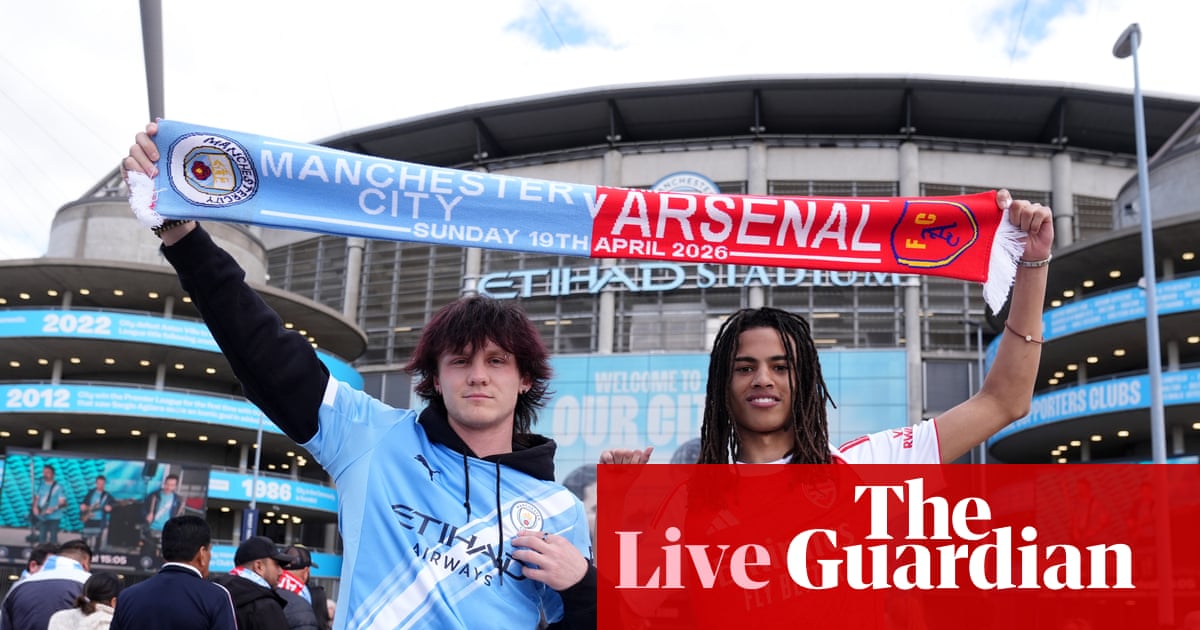
Mikel Arteta’s project at Arsenal reached its most polished form this year, yet they still found a way to let the Premier League title slip through their fingers in the final fortnight. The squad is younger, faster, and more technically gifted than the 2004 Invincibles, but they lack the clinical edge required to kill off games when the pressure peaks. Dropping points at home to a rotated Brighton side in early May was the turning point that allowed the Manchester machine to overtake them. They are playing the most attractive football in England, but beautiful losses don't put trophies in the cabinet. The psychological scar tissue in North London is getting thick enough to require surgery.
3. The FA Cup Final Drama at Wembley
Yesterday's FA Cup Final was a reminder that domestic cups still carry a weight that the expanded European competitions cannot replicate. Manchester City’s 3-2 victory over Liverpool was a chaotic, high-intensity affair that saw three goals scored in the final 10 minutes of play. It was a tactical shootout between two managers who clearly despise losing to one another, featuring a level of physical commitment that felt like a throwback to the early 2000s. Liverpool’s failure to defend a late set-piece cost them the double, leaving Jurgen Klopp’s successor with a lot of difficult questions to answer this summer. It was the best game of the season by a wide margin, proving that local rivalries still drive the most compelling narratives.
2. The Xabi Alonso to Chelsea Seismic Shift
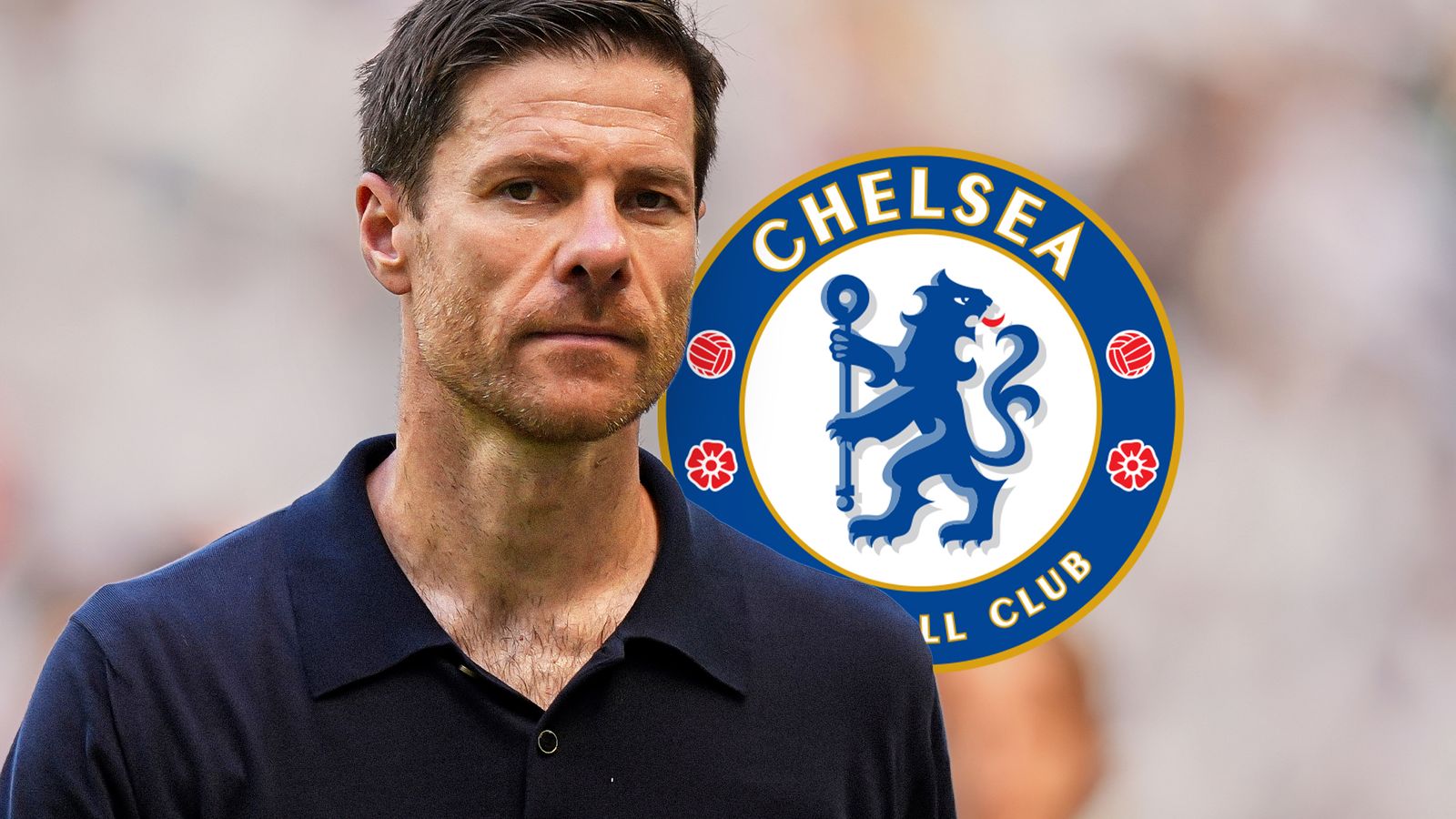
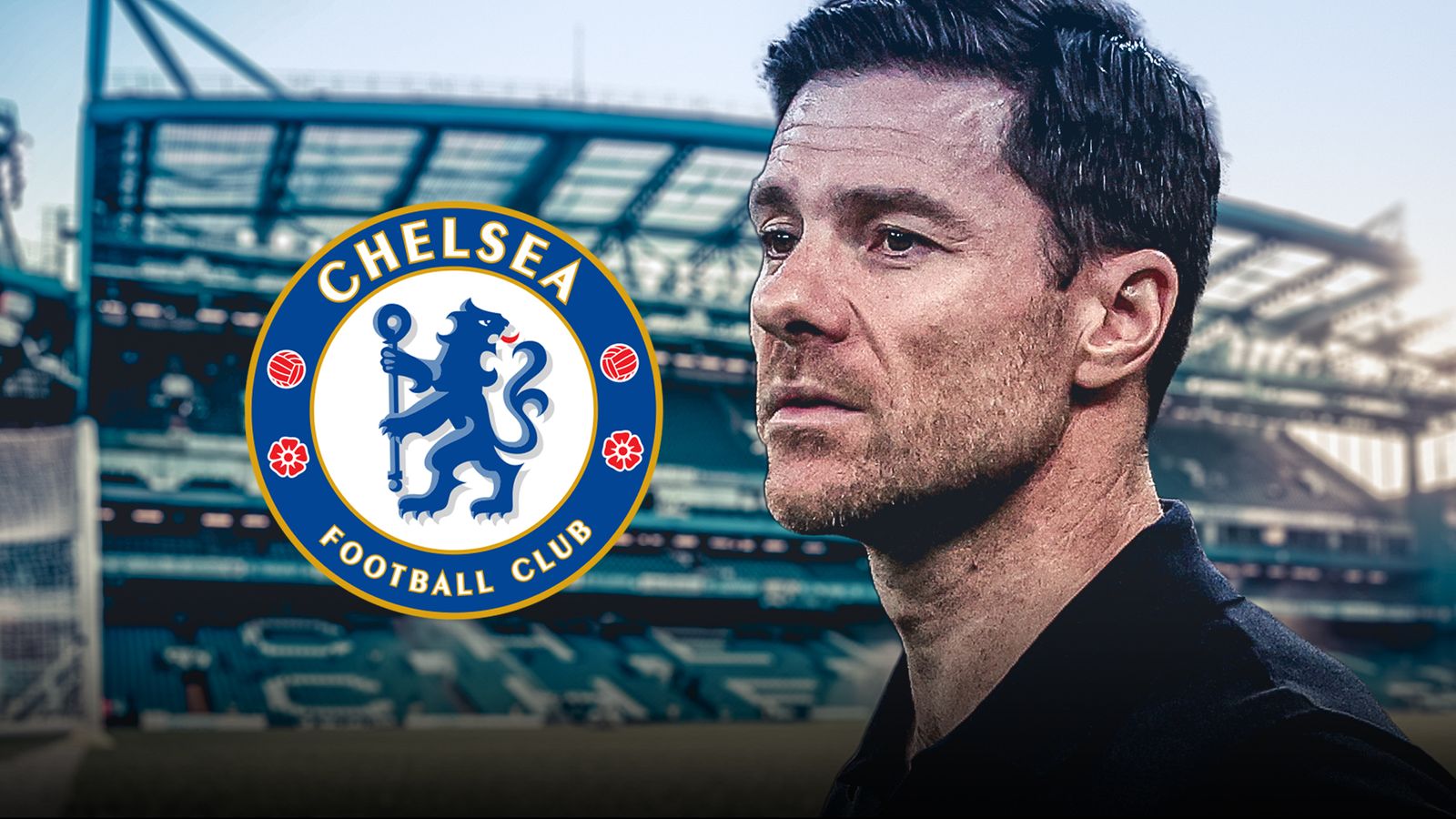
As Sky Sports reported this morning, Chelsea has officially secured Xabi Alonso on a four-year contract. This is the move that changes the entire gravity of the Premier League for the next decade. Chelsea has spent billions on a disparate collection of talent, and they have finally hired the one man capable of organizing that chaos into a functioning system. Alonso is walking into a high-pressure environment with a mandate to deliver immediate results, and his tactical pedigree suggests he might actually pull it off. If he can solve the midfield imbalance between Enzo Fernandez and Moises Caicedo, Chelsea will be title contenders by Christmas. This is a gamble for Alonso, but for Chelsea, it is a necessary act of survival.
1. The Impending World Cup 2026 Expansion
The biggest moment in football isn't a game that has been played, but the one that is about to arrive. The 48-team expansion in North America represents the most significant structural change to the sport since the introduction of the back-pass rule. We are looking at a tournament that will span three countries and multiple time zones, testing the limits of player recovery and fan travel. The sheer scale of the event is terrifying, with 104 matches scheduled over a six-week period. It is a massive commercial play that could either globalize the sport's reach or turn the World Cup into an unrecognizable slog. Everything we have seen this season—the injuries, the tactical shifts, the fatigue—has been a preamble to this massive, uncertain experiment.
Honorable Mentions
We almost included Harry Kane’s quest for a second consecutive Bundesliga Golden Boot, but individual stats feel hollow without a Champions League trophy to go with them. Manchester United’s internal restructuring under the new regime also deserves a nod, though they remain a few transfer windows away from being a serious threat. Finally, the rise of the Saudi Pro League as a legitimate retirement home for aging stars continues to drain the depth of European squads, creating a talent vacuum that is only starting to be felt in the mid-table of the major leagues.
Read Next
- Xabi Alonso to Chelsea is the ultimate 'I can fix her' move
- Xabi Alonso to Chelsea is going to be a beautiful disaster
- Chelsea are bending to Xabi Alonso to secure their next manager
- Chelsea are bending to Xabi Alonso's terms to secure their next manager
- 🏆 World Cup 2026 — Full Coverage Hub
- ⭐ UCL 2026 — Champions League Quarter-Finals Hub