The Big Picture
Modern management is a results-driven furnace that rarely offers cooling periods. Whether it is navigating a top-four race or stabilizing a roster in transition, the ability to command a squad remains the game's ultimate currency.
The Rankings
10. Andoni Iraola
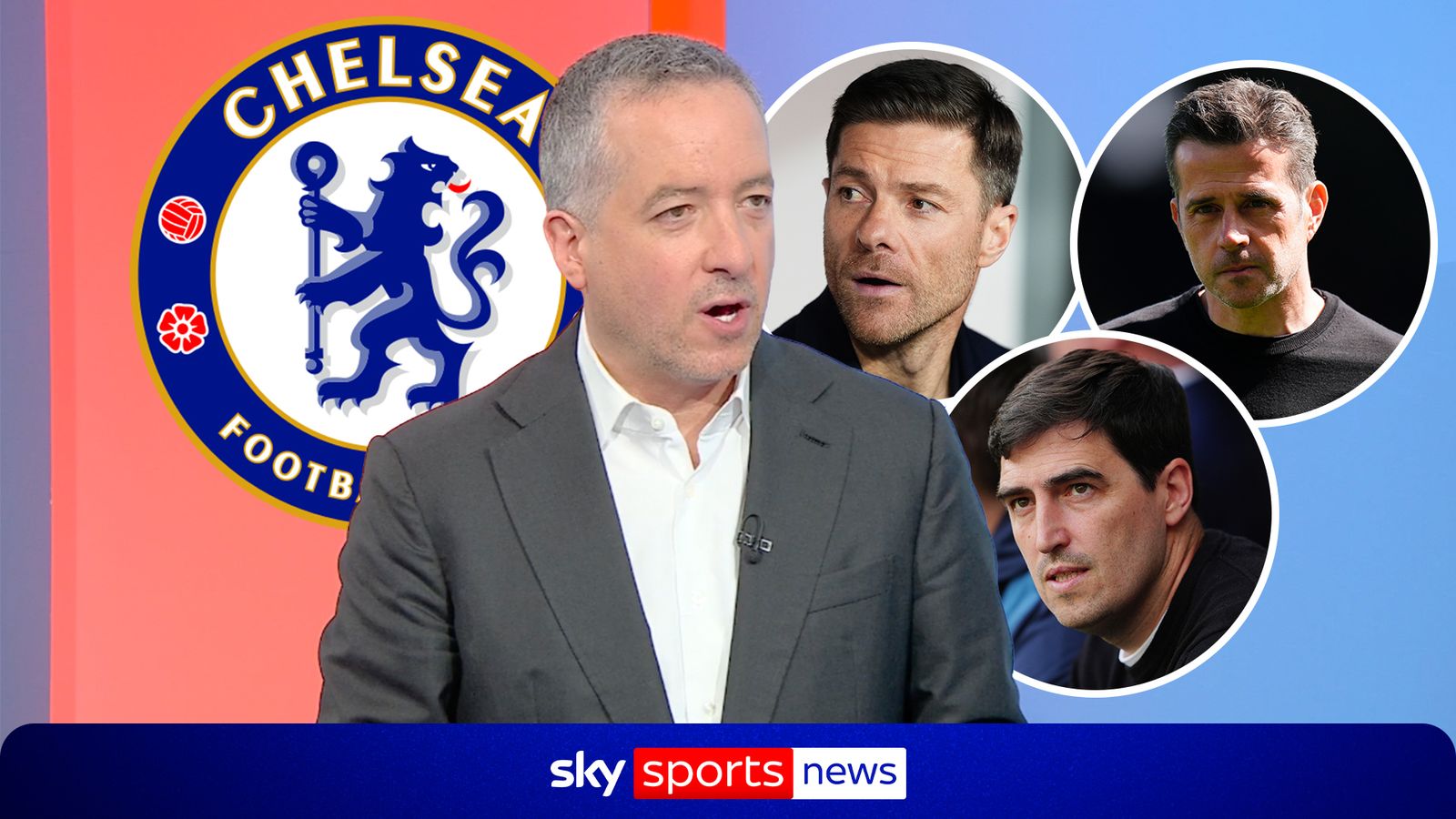
Iraola has turned Bournemouth into one of the most organized units in the Premier League. His tactical agility is highlighted by his high-pressing system that forces opponents into repeated errors. As reported by the Mirror, he is currently a primary target for Chelsea, though he faces a critical career choice. He ranks here because of his unproven track record at a major European level, despite his technical brilliance on the coast.
9. Eddie Howe
Howe transformed Newcastle from a relegation candidate to a Champions League side in record time. His high-octane transition game perfectly suited the energy of St. James' Park. Recent reports suggest his position is under threat, with potential replacements already circulating as detailed by Football365. Any regression this season is a major blemish on an otherwise stellar tenure.
8. Edin Terzic
Terzic understands the heartbeat of a club better than almost any peer currently employed. His ability to connect with the fanbase in Dortmund provided stability during volatile transfer windows. He makes this list because he knows how to motivate underdogs, but his consistency in league play remains a valid point of critique for top-tier scouting departments.
7. Pep Guardiola
Guardiolá remains the benchmark for tactical domination of the ball. His positional play revolutionized how fullbacks influence games, forcing a global shift toward inverted systems. Critics point to his inability to close out certain high-pressure continental ties, but his hardware accumulation is undeniable. He sits at seven because his success is often tethered to infinite financial resources.
6. Carlo Ancelotti
Ancelotti is the master of man-management in environments where egos collide daily. His calm demeanor during 90-minute stretches is his signature weapon in the Champions League. He does not need a complex system, rather he needs the right personalities in the right slots. This flexibility is effectively his greatest strength and his primary analytical weakness.
5. Simone Inzaghi
Inzaghi perfected the modern three-man backline, creating a structure that is both rigid defensively and expansive going forward. His work during tournament runs shows a keen eye for substitution timing that few rivals possess. He lacks the household name recognition of some peers, but his tactical output is consistently elite.
4. Xabi Alonso
Alonso brought a sense of calm and precision to Leverkusen that shifted the balance of domestic football in Germany. His side rarely looks panicked, even when chasing a result in the closing minutes. He represents the new wave of coaches who played at the highest level and now demand that intelligence from their players.
3. Unai Emery
Emery is perhaps the most underrated tactician of this decade. From his work at Sevilla to his current trajectory at Aston Villa, he consistently over-indexes his team's talent level. He builds from the back with a surgical approach, often exploiting the exact gaps his opposition leaves wide open. He is a premier candidate for any club looking to professionalize their squad structure.
2. Gian Piero Gasperini
Gasperini demands a level of physical output that is rarely seen in professional football today. His man-to-man pressing system across the entire pitch creates immense pressure that elite teams struggle to handle. If a squad cannot physically compete with his group, the game is usually decided before the 60th minute. He is ranked second because of his unmatched ability to maximize squad utility.
1. Thomas Tuchel
Tuchel remains the best option for a club in crisis that needs an immediate, high-level impact. His resume includes winning the biggest club trophy in the world with a mid-season appointment. Despite the constant talk of his volatility, he is a clear-eyed tactician who knows how to build a team of warriors for deep runs. As noted in recent commentary by William Gallas, leadership is the missing ingredient for many struggling giants.
Honorable Mentions
Managers like Arne Slot and Ruben Amorim are currently knocking on the door of the top ten. Their successes in their respective national leagues suggest they are ready for a step up, provided they avoid the 'nightmare' scenarios at major clubs where infrastructure is currently failing. As warned in reports surfacing today, choosing the right project is just as important as the skill of the coach.