The Hierarchy of Tactical Control
The coaching carousel for the summer of 2026 is spinning at high speed. We are evaluating these figures based on current tactical output, project sustainability, and the raw leverage they command in this chaotic market.
The Rankings
1. Andoni Iraola
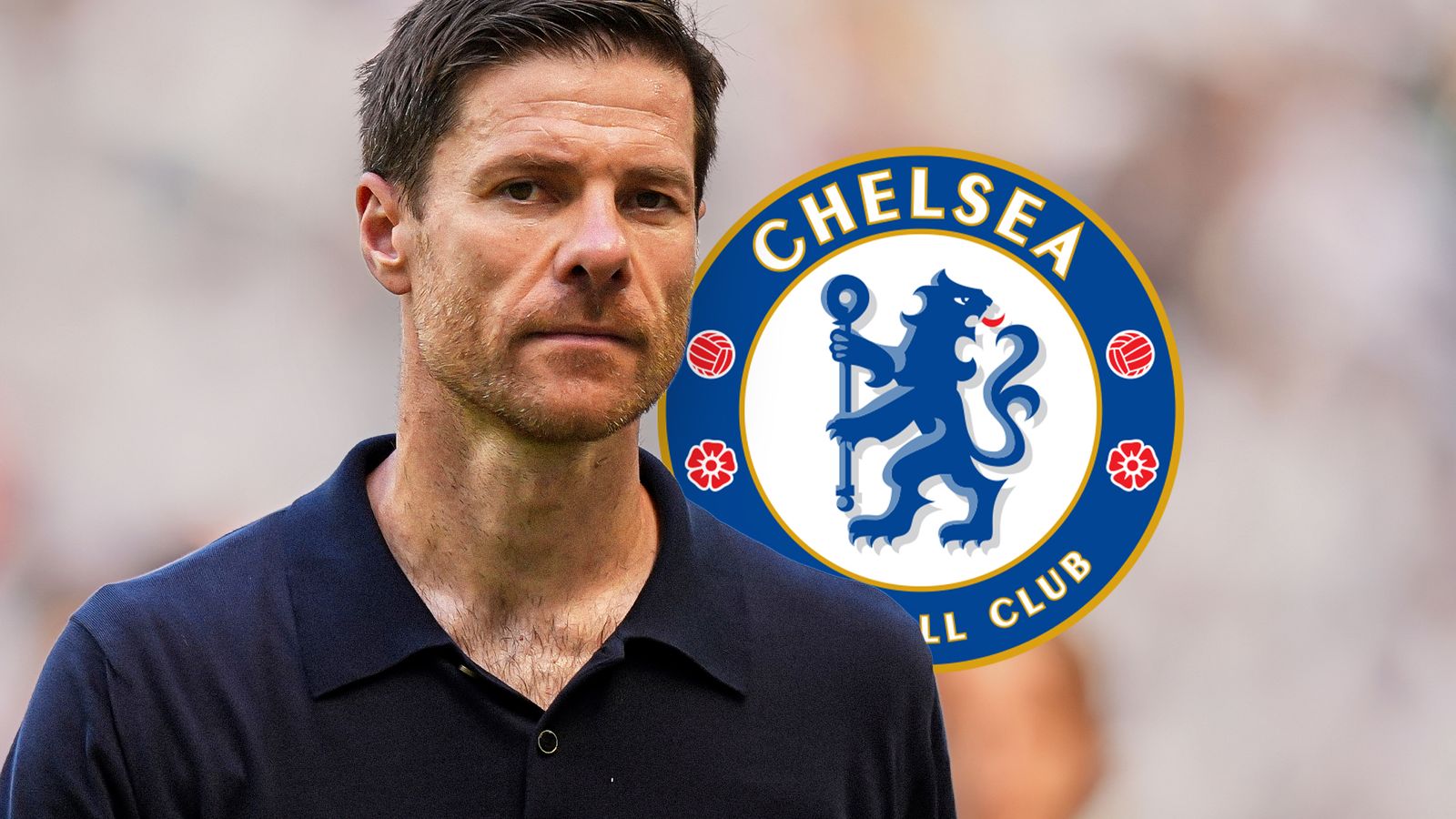
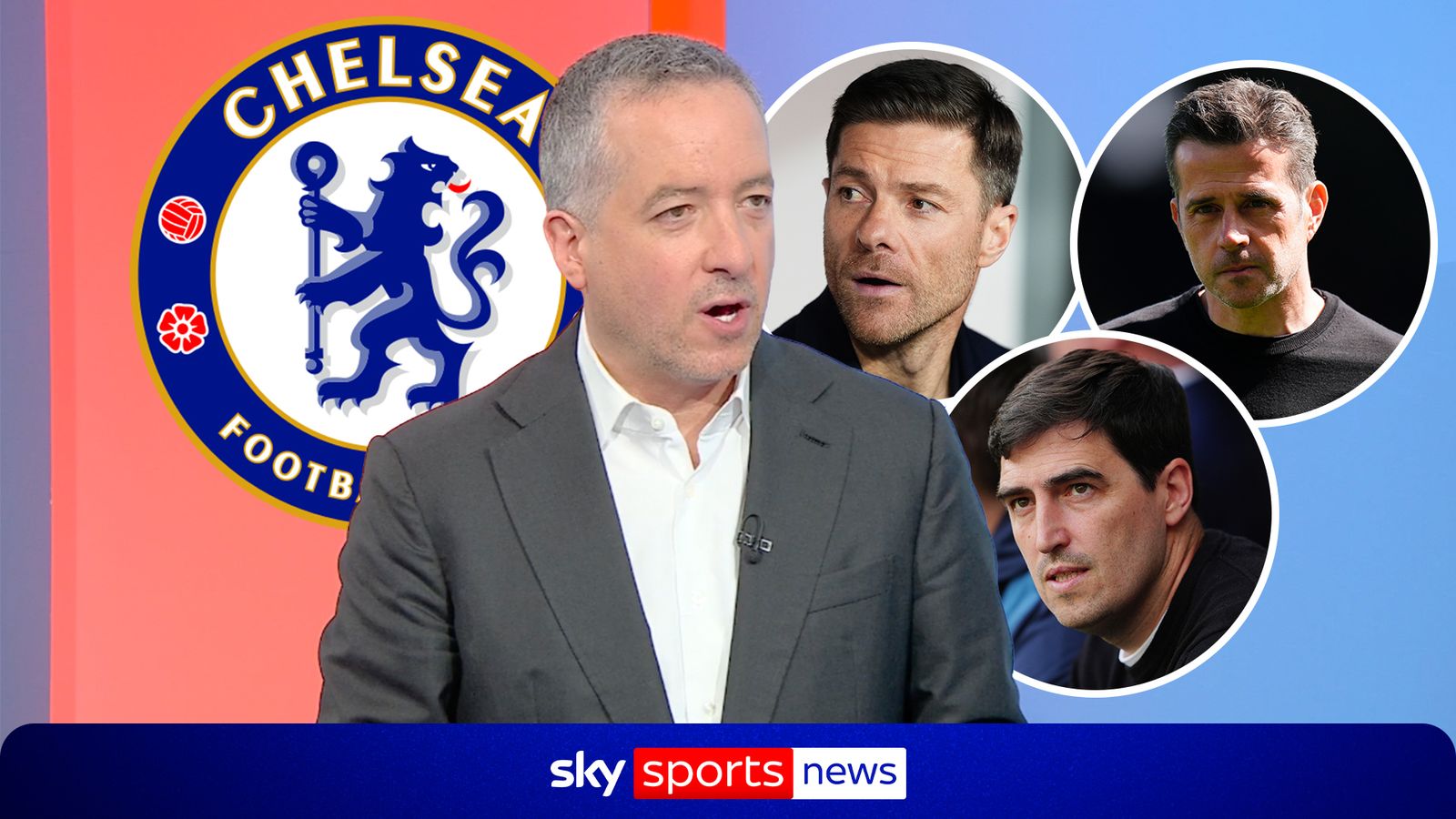
Iraola currently sits at the center of the Premier League's most urgent vacancy puzzle. Reports indicate he is the primary target for Chelsea as he builds a reputation for intense, high-pressing organization at Bournemouth. His ability to modernize a squad on a mid-table budget makes him the hottest commodity in England right now.
2. The Newcastle Vacancy Candidate
Whatever happens with Eddie Howe, the St. James' Park bench is becoming a destination for top-tier tacticians. As Football365 reported, candidates are weighing the stability of a Newcastle project against the volatility of the Blues. It proves that money is no longer the only factor for top coaches.
3. Edin Terzic
Terzic remains a high-profile name appearing in link-up talks for major vacancies. He offers a specific pedigree of European experience that appeals to clubs looking for a complete overhaul of their playing identity. His inclusion in current discussions underscores his standing as a viable alternative for the 2026-27 season.
4. Eddie Howe
Despite the recent downward trend in reports, Howe remains one of the most successful English managers of the last few seasons. His tenure at Newcastle has transformed expectations for the club, though he now faces immense pressure from ownership. A bad result in the coming weeks could accelerate his departure from Tyneside.
5. The Unnamed Chelsea Nightmare
William Gallas recently warned that any incoming manager at Stamford Bridge is walking into a massive headache. The squad lacks a coherent structure, leading observers to label the position a potential career-killer. Avoiding this mess is currently as important as managing a successful team elsewhere.
6. Elite Tactical Opportunists
These are the managers currently biding their time between cycles. They are waiting for the right project rather than jumping at the first offer from a desperate board. This group understands that a bad move mid-cycle can stall a career timeline by at least two years.
7. The Project Architects
These coaches focus on long-term squad development rather than immediate trophy hunting. While they struggle to keep jobs in a win-now climate, their impact on club culture is undeniable. They are the only shield against the constant churn of modern ownership groups.
8. Tactical Innovators
These managers prefer high-risk, high-reward systems that often crash under scrutiny. They are brilliant for 18 months, burn out the players by month 20, and get fired by month 24. It is an exhausting cycle that provides great entertainment but poor silverware returns.
9. The Firefighters
These are the old-school tacticians with short-term contracts. They are brought in to save a club from relegation or steer it through a disastrous three-month patch. Their value is high in March but negligible in August.
10. The Departed
The managers who were fired in the last quarter are now officially on the outside looking in. They represent the high stakes of current management, where a 5-match winless streak is enough to end a career. Their failure serves as a cautionary tale for those still in the chair.
The Big Picture
The current managerial market is defined by a flight away from institutional chaos and toward stable, long-term project viability. Unless a club offers ironclad administrative support, elite coaches are increasingly willing to walk away from massive contracts to protect their professional standing.
Honorable Mentions
Managers who narrowly missed this list include those currently locked into long-term contracts at mid-table clubs who have refused to engage with rumors. Their silence is the loudest statement in a market addicted to speculation.