Measuring the Year in Chaos
Modern football is a hyper-accelerated environment where narratives shift between kickoff and final whistle. Tracking these moments requires more than simple victory tallies; it demands acknowledging the structural shifts in squad composition and management.
The Rankings
1. City's Pursuit of Anderson
Manchester City moving into pole position to sign Elliot Anderson from Nottingham Forest represents the ultimate evolution of tactical hoarding. While the midfielder has been a standout under Nuno Espirito Santo, City's interest proves their intent to buy domestic depth to stifle rivals like Manchester United. The transfer fee is projected to exceed £60 million, a staggering amount for a playmaker who still has raw edges in his decision-making. Placing this at number one is necessary because it signals a consolidation of power that threatens the competitive parity of the Premier League.
2. The UCL Quarter-Final Collapse
The tactical implosion of the European giants in mid-April left the tournament wide open. Watching favorites concede four goals in a single half wasn't just poor defending; it was a total breakdown of organizational discipline. This entry ranks beneath City's transfer business because, while the results were shocking, Sky Sports coverage suggests that the underlying structural issues are now permanent. The defensive malaise displayed by the remaining semifinalists will define the quality of the upcoming UCL Semifinals.
3. The North London Tactical Stagnation
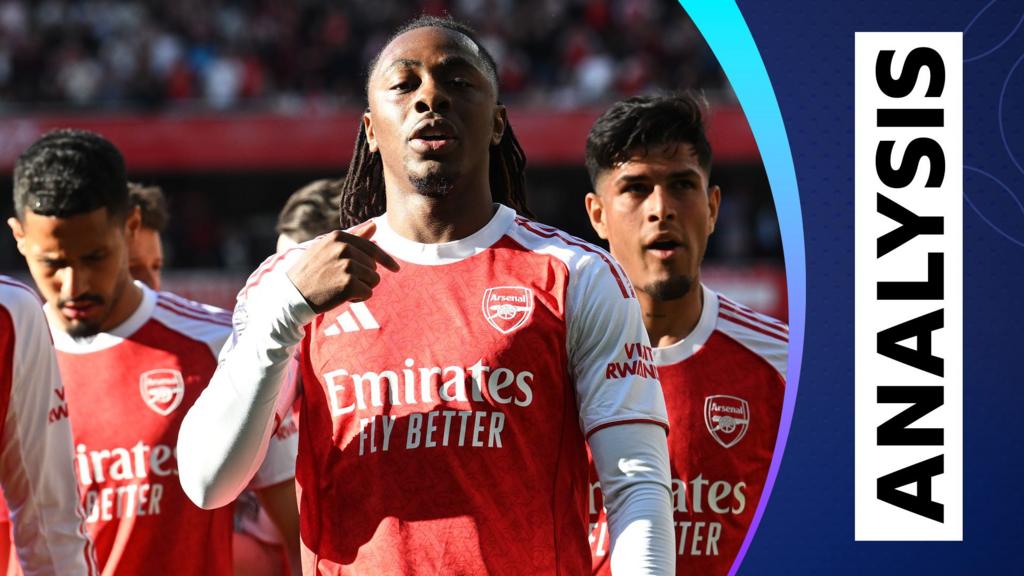
Arsenal's failure to adapt against low-block opponents during the mid-season period remains their most significant flaw. Despite immense talent, the inability to unlock packed defenses cost them crucial points in December and January. It ranks third because it reveals a stubbornness in the dugout that prevents a title charge. The tactical ceiling of the current squad is undeniably high, but they lack the flexibility of their competitors.
4. Liverpool's Transitional Missteps
Liverpool's post-Klopp adjustments were always going to be messy, yet the frequency of unforced errors in possession has been alarming. The squad possesses individual brilliance, but the disjointed pressing sequences indicate a lack of cohesion. They hover here because their recovery keeps them relevant, but their mistakes are amateur for this level. It is a cautionary tale for clubs undergoing massive overhaul without clear succession plans.
5. The Rise of the Mid-Table Grinders
Teams like Forest and Brighton have dismantled the traditional definition of mid-table status. Their ability to disrupt elite squads with distinct, high-intensity blueprints is the most refreshing trend of the calendar year. They outrank some of the bigger clubs because their results are achieved on smaller budgets through pure functional excellence. This isn't just about upsets; it is about intentional destruction of superior game plans.
6. The Managerial Merry-Go-Round
The rate of sackings in mid-season reveals that boards have zero tolerance for development. Changing managers in March rarely yields improvement, yet the panic continues to dictate club direction. It sits at six because while it creates immediate instability, it rarely solves the long-term roster rot. The industry obsession with short-term fixes is actively degrading team chemistry across the board.
7. Defensive Midfielder Inflation
The market for the 'six' position has become completely disconnected from reality. When mid-tier clubs can demand £80 million for a defensive anchor, the market is officially broken. This trend puts the entire economic stability of the game at risk. It ranks seventh because it forces every club, regardless of wealth, to overspend on utility players rather than creative engines.
8. VAR Inconsistency
The continued debate over offside lines and handball rules is exhausting for the sport. Officials have oscillated between 'clear and obvious' and pedantic micro-adjustments all season. It ranks low only because it is a constant background noise rather than a singular event. Relying on technology to fix the game has only highlighted the lack of shared philosophy among referees.
9. The Super Cup Qualification Mess
The restructuring of the Super Cup calendar has left players physically drained and tactical preparation compromised. Scheduling games in January in disparate locations during the peak of league battles is a logistical disaster. It is a cynical play for revenue at the cost of the actual competitive product. The physical toll on athletes will be seen in the lack of intensity during the World Cup openers.
10. The Scouting Revolution
Data-driven recruitment has finally reached a point where subjective scouting is being replaced entirely by algorithms. While it helps find hidden gems, it is creating a homogenized style of play where all players are coached to satisfy the same 15 metrics. It ranks last because the long-term impact on player individuality is still unfolding. We are sacrificing flair for statistical efficiency, and the sport looks colder for it.
The Big Picture
The 2025/26 season is defined not by the trophy winners, but by the reckless financial maneuvers and the systematic erosion of team identity. Clubs are treating squads like replaceable assets, a shift that guarantees efficiency at the cost of the fan experience.
Honorable Mentions
- The surprise revival of the 'False Nine' in mid-sized clubs.
- The increasing reliance on youth academy players due to registration rules.
- The bizarre media obsession with transfer valuations over actual pitch performance.
Read Next