The Big Picture
The European football season is grinding toward its brutal conclusion. We are past the point of potential and deep into the reality of squad fatigue, muscle injuries, and raw execution.
The Champions League semi-finals loom in exactly two days. The domestic leagues are tightening their grips on the remaining contenders. This isn't a list of the prettiest goals or the cleanest assists.
These are the structural shifts, the tactical collapses, and the undeniable moments that defined the last nine months of the sport. We are looking at the events that forced managers out and completely rewrote front office strategies.
10. The Match That Broke Hibs
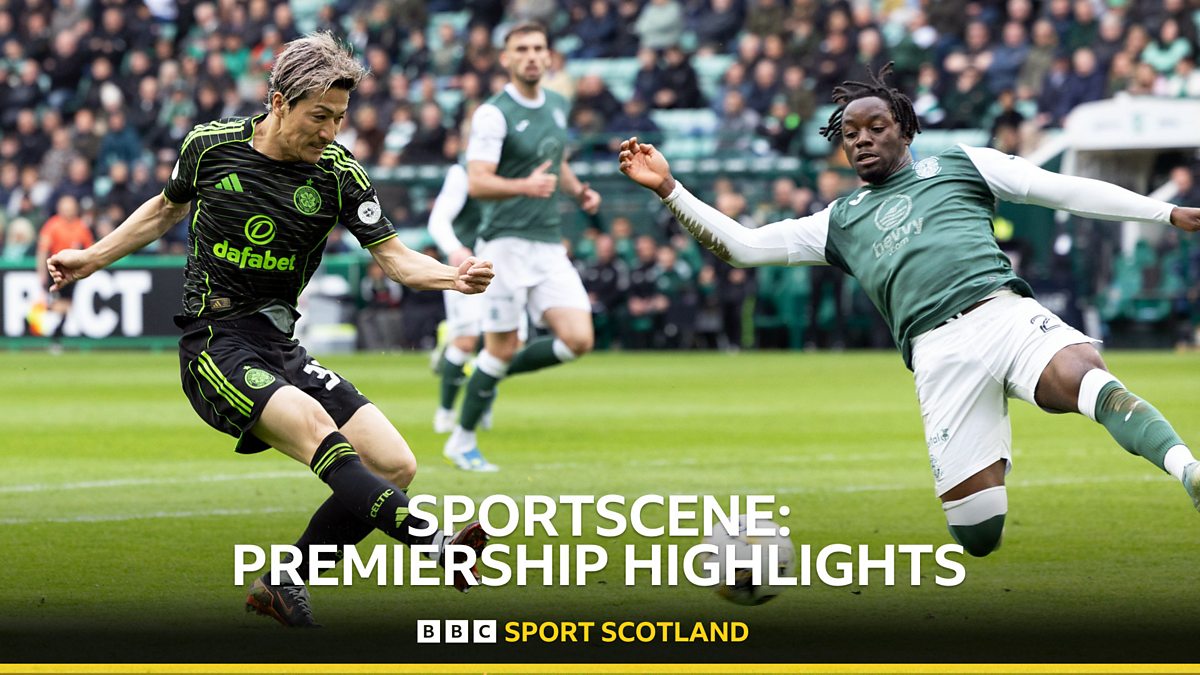
Celtic didn't just beat Hibernian; they dismantled them structurally from the opening whistle. The recent highlights package presented by Jonathan Sutherland on the BBC laid bare the massive gap in class.
Hibs offered zero resistance in the midfield transition, completely collapsing under the pressure. The high press from Brendan Rodgers' side suffocated any attempt to play out from the back, forcing turnovers in the final third with alarming regularity. It was a stark reminder of the financial and tactical disparity in the Scottish Premiership right now.
Watching a historic club look completely lost on the pitch is never fun, but it is the current brutal reality of the league. Hibs management has to answer serious questions about their defensive organization.
9. The Madrid UCL Quarter-Final Chaos
Real Madrid and Manchester City delivered another manic European night last month in the quarter-finals. Nobody expected the tie to swing wildly on a single tactical substitution.
City dominated possession, holding the ball in a suffocating web of short passes. But Madrid's counter-attack exploited the spaces left by overlapping fullbacks with ruthless efficiency. The sheer speed of Vinicius Jr. breaking the lines exposed a defensive fragility City thought they had solved with Josko Gvardiol.
It proved that in the Champions League, total control is an absolute illusion. You can hold the ball for 80 minutes and lose the tie in three terrifying transitions.
8. Bayern's Midfield Void
Bayern Munich spent the entire campaign trying to fix a midfield that has been broken for two years. They failed spectacularly. Opponents bypassed their double pivot with terrifying ease all winter.
The lack of a true defensive destroyer forced their center-backs into unwinnable foot races against explosive wingers. Throwing a massive £85m transfer fee at attackers doesn't mask a hollow core.
The squad building remains fundamentally flawed, prioritizing luxury forwards over tactical necessity. The front office continues to ignore the glaring holes in the squad. A team cannot win the biggest trophies with a soft center.
7. The January Window Freeze
The mid-season transfer window was an absolute ghost town. Profit and Sustainability Rules finally showed their teeth in the Premier League. Clubs terrified of points deductions kept their wallets tightly closed.
We saw far fewer panic buys and a drastic increase in desperate, short-term loan deals. It forced managers to actually coach the players they had instead of buying expensive, quick-fix solutions.
The financial reality check was deeply overdue, completely changing how front offices approach squad depth. The era of reckless mid-season spending is definitively dead. Technical directors are now forced to scout smartly or suffer the consequences.
6. Leverkusen's Human Moment
Bayer Leverkusen finally looked human after an unbelievable run of invincibility. The fatigue set in heavily during the brutal winter schedule. They dropped points against mid-table opposition in a frustrating 0-0 draw that exposed their lack of depth.
Xabi Alonso's system demands relentless physical output from the wing-backs, and the players simply hit a physical wall. The aggressive rotation policy failed to maintain the exact same attacking fluidity.
It was absolute proof that perfect seasons require extreme luck as much as supreme tactical skill. They are a brilliant team, but the drop-off from their starting eleven to their bench is severe.
5. VAR's Weekend of Incompetence
The officiating crisis hit rock bottom in November. Three blatant errors in a single weekend completely dominated the news cycle and derailed the actual football conversation.
The technology itself works perfectly, but the human operators continue to misinterpret basic phases of play. Drawing offside lines from the wrong defender's armpit is embarrassing for a league that claims to be the elite standard.
Fans are thoroughly exhausted by three-minute delays that end in the wrong call anyway. The PGMOL system needs a complete tear-down and rebuild, starting with the communication protocols. Referees are using the monitors as a crutch rather than a precision tool.
4. Arsenal's Set-Piece Dominance
Arsenal weaponized dead-ball situations to mask their occasional open-play struggles. Nicolas Jover's routines turned routine corners into guaranteed high-xG chances. They crowded the six-yard box, physically disrupted the goalkeeper, and attacked the near post with surgical precision.
It isn't always pretty, and football purists absolutely hate the physical block-plays resembling basketball screens. But Gabriel Magalhaes heading home corners won them massive away matches when their main attackers were isolated.
Efficiency beats aesthetics every single time when league titles are on the line. Mikel Arteta recognized a massive market inefficiency and exploited it to the absolute maximum.
3. The Saudi Pro League Reality Check
The highly publicized exodus of talent to the Middle East slowed to a miserable crawl. Players who took the massive contracts last summer spent this entire year trying to aggressively engineer moves back to Europe.
The lack of competitive intensity and mostly empty stadiums completely broke the illusion of a new superpower league. Money buys headlines and PR, but it doesn't instantly buy a compelling television product.
The European leagues easily maintained their iron grip on the highest level of the sport. The supposed existential threat was real, but the execution and player retention fell completely flat.
2. Inter Milan's Back Three Masterclass
Inter Milan perfected the 3-5-2 system and choked the life out of Serie A. Simone Inzaghi built a defensive block that simply refuses to concede any central space.
Their wide center-backs, especially Alessandro Bastoni, step into the midfield with total confidence to overload the wings. They transition from a deep, low block to a terrifying five-man attack in seconds.
It is unquestionably the most tactically cohesive unit in European football right now. Every single player understands their exact role, their specific covering assignments, and the strict triggers for the press. They make defending look like an offensive weapon.
1. The Looming Semi-Finals
We are exactly two days away from the Champions League semi-final second legs on May 5. The tension is physically crushing. The first legs provided zero clear answers, delivering only tactical stalemates and brief, isolated flashes of individual brilliance.
Managers are heavily overthinking their defensive shapes, terrified of making the definitive mistake that ends their season. The margin for error on Tuesday night is entirely nonexistent. Elite forwards will be judged entirely on single touches inside the penalty box.
Someone is going to lose their job based solely on what happens in these next 90 minutes. This is the brutal, unforgiving peak of club football, and the pressure is breaking players before the whistle even blows.
Honorable Mentions
The buildup to the 2026 World Cup is already causing intense friction behind the scenes. National team managers are clashing heavily with club managers over player minutes and recovery protocols.
With the expanded 48-team format kicking off in just 39 days, the fatigue factor is reaching an absolute breaking point. Players are treating minor domestic injuries with extreme caution, prioritizing the summer tournament over club commitments.
It is a messy, complicated end to the domestic season. The tension is driven entirely by an overcrowded calendar that refuses to give athletes a chance to breathe.
Read Next
- Matheus Cunha strikes early but Manchester United must brace for Liverpool's storm
- Rangers survived Montrose but Celtic will punish them in the final
- Celtic find the unlock at Easter Road but the Hearts threat is no longer a punchline
- Kelechi Iheanacho is the ultimate luxury Celtic cannot afford to ignore