The Big Picture
The current football cycle has abandoned the predictability of the mid-2010s, replaced by a high-velocity era where tactical rigidity is a death sentence. We are witnessing a systemic breakdown of established defensive blocks as individual errors and coaching gambles dictate the narrative of the biggest matches in Europe.
10. The Phil Foden 'Charity' Cameo
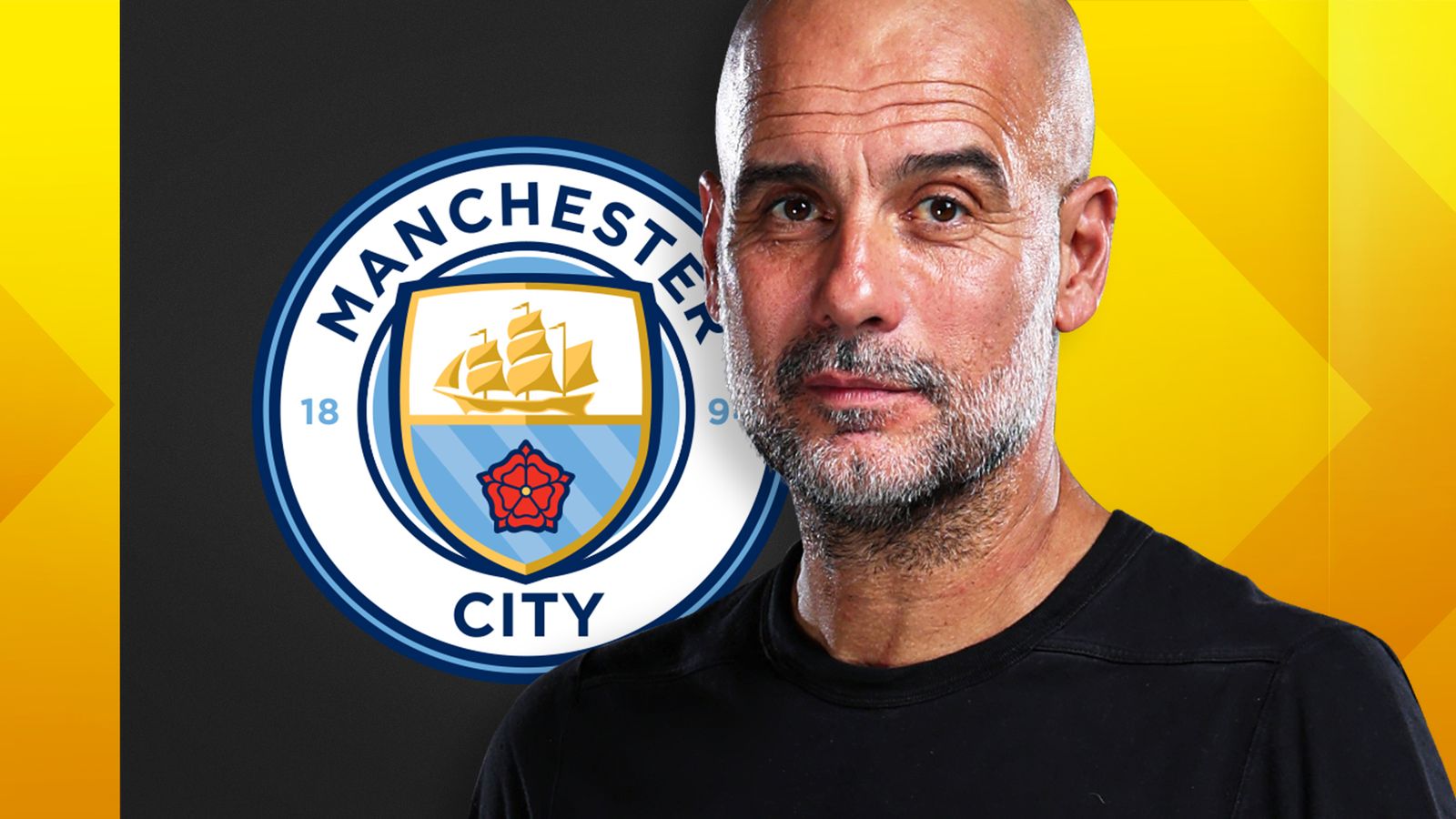
Manchester City's reliance on their established stars reached a bizarre tipping point when Phil Foden was introduced in a late-game situation that looked more like a testimonial than a tactical adjustment. Wayne Rooney didn't hold back, suggesting the appearance felt like a 'charity sub' rather than a genuine attempt to change the game's momentum. This moment signaled a rare lapse in Pep Guardiola's usually clinical bench management, highlighting a growing disconnect between Foden’s previous Player of the Year form and his current squad status. It’s a worrying trend for a player who should be the focal point of the post-De Bruyne era but currently finds himself scavenging for minutes in low-leverage scenarios.
9. The High-Line Suicide at Anfield
Defensive bravery is one thing, but the insistence on a halfway-line trap against a front three of Salah, Diaz, and Nunez remains the season's most baffling coaching decision. When the opposition center-back has three seconds of uncontested ball time, a high line is simply an invitation to a track meet you cannot win. The 4-0 demolition served as a brutal reminder that 'brave' football is often just a polite term for tactical negligence. It wasn't just the scoreline that stung; it was the refusal to adjust even after the third goal was conceded via a simple 40-yard clip over the top.
8. The 96th-Minute VAR Heartbreak
Technology was supposed to end the era of 'the referee’s a homer,' yet the subjective application of handball rules continues to ruin Saturday afternoons. A late-stoppage-time penalty, given for a ball that deflected off a thigh onto a trailing arm, felt like a betrayal of the sport's fundamental physics. The subsequent conversion changed the trajectory of the relegation scrap, leaving the visiting side with zero points from a match they had dominated for 85 minutes. This wasn't a win for tactical superiority; it was a victory for the pedantic interpretation of a rulebook that no longer understands natural body movement.
7. The Midfield Empty-Space Disaster
Watching a top-six side play with a three-man midfield that refuses to track runners is like watching a car crash in slow motion. The gaps between the defensive line and the holding midfielder grew so large during the second half of the North London Derby that you could have parked a team bus in the 'six' space. It resulted in three goals conceded in a frantic 12-minute window, effectively ending the contest before the hour mark. Fans were left questioning the recruitment strategy that spent £70 million on a ball-carrier when the system desperately cried out for a genuine destroyer to anchor the middle.
6. The Substitute That Refused to Track Back
There is no faster way to lose a dressing room than for a high-profile substitute to enter the pitch and immediately coast through their defensive duties. Entering in the 72nd minute with fresh legs, the unnamed winger allowed his fullback to be doubled up on four separate occasions, leading directly to the equalizing goal. The manager’s visible fury on the touchline was a rare moment of public frustration that hinted at deeper internal fractures. This wasn't a failure of skill; it was a total collapse of professional discipline in a high-stakes environment where every yard of tracking matters.
5. The Goalkeeper's Short-Distribution Nightmare
The obsession with playing out from the back claimed another victim when a stray pass from the six-yard box was intercepted for the easiest tap-in of the season. Statistics show that the team has conceded 6 goals directly from their own defensive third this term, yet the instruction remains unchanged. While the 'modern' game demands this risk-profile, the lack of technical security in the back four makes it feel like an ego-trip for the coaching staff. It’s one thing to emulate City; it’s another to do it with personnel who struggle to complete a 10-yard lateral pass under pressure.
4. The Tactical Periodization Burnout
By the time the Champions League match reached the 70th minute, half the squad looked like they were running through wet cement. The high-intensity pressing system that defines this club's identity has finally hit the wall of physical reality, leading to a rash of soft-tissue injuries. Critics have pointed to the lack of rotation as a primary cause, noting that the starting XI has remained largely unchanged for seven consecutive matches. When you demand 12 kilometers per game from your midfielders, you eventually pay the price in the form of a late-game defensive collapse.
3. The 'Fake' Wing-Back Experiment
Moving a traditional center-half into a hybrid wing-back role was supposed to provide defensive solidity on the transition, but it instead created a vertical highway for the opposition. Every time the ball was lost, the makeshift defender was caught in 'no man's land,' neither narrow enough to help the center-backs nor wide enough to stop the cross. The experiment lasted exactly 45 minutes before a double substitution was required to restore some semblance of balance. It was a stark example of a manager overthinking a simple problem and creating three new ones in the process.
2. The Captain's Disciplinary Meltdown
A second yellow card for kicking the ball away in the 30th minute is an inexcusable lapse in judgment from a veteran leader. The decision left his side playing with ten men for over an hour in a match that determined their European qualification status for next year. It wasn't a 'passion' play or a tactical foul; it was a petulant reaction that cost the club an estimated £30 million in potential revenue. The subsequent silence from the captain in the mixed zone only added to the feeling that he had checked out mentally months ago.
1. The Return of the 'False 9' Failure
The decision to drop a 20-goal-a-season striker for a mobile 'false nine' in the biggest game of the year remains the defining tactical shock of the season. Without a focal point to pin the opposition center-backs, the attack became a lateral passing exercise with zero penetration in the box. The match ended in a stale 0-0 draw, with the team failing to record a single shot on target despite having 72% possession. It was a triumph of theory over reality, proving that no amount of intricate build-up play can replace the simple necessity of having a man who knows how to put the ball in the net.
Honorable Mentions
The 'inverted fullback' who spent the entire game out of position, the triple substitution that happened two goals too late, and the pre-planned corner routine that resulted in a counter-attack goal for the opposition.
Read Next