The Big Picture
Great moments in football define decades by shifting the trajectory of clubs and rewriting historical narratives. This list examines the plays, individual brilliance, and tactical masterstrokes that changed how we perceive the sport today.
The Ranking
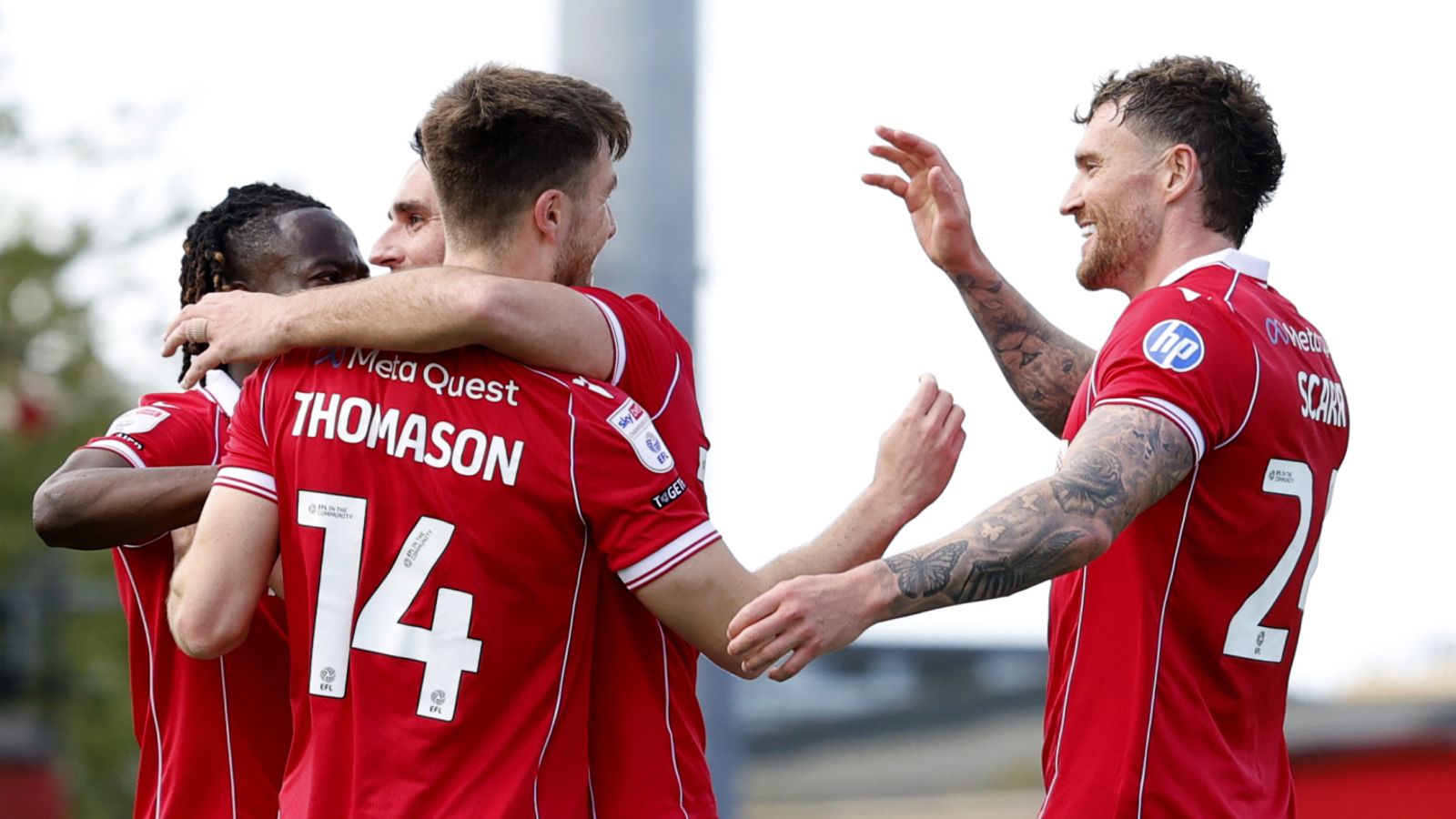
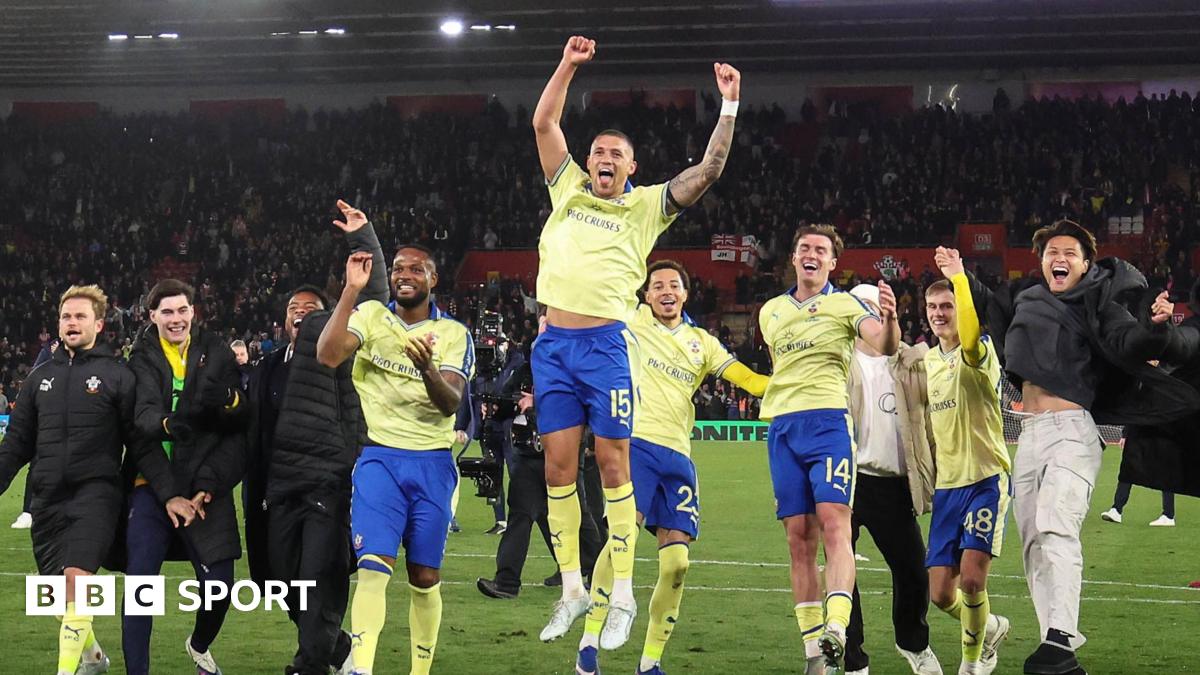
1. Southampton’s FA Cup Semifinal Surge. Fifty years after their sole FA Cup victory, Southampton is actively dismantling top-tier opponents under the management of Eckert. Their current path to a potential Wembley treble is not a statistical anomaly or a fluke of scheduling. They are physically outworking opponents twice their market value, proving that cohesion beats raw valuation.
2. The 2026 Champions League Quarter-Final draws. With the fixtures set for April 7, the tension is mounting across Europe. Tactical analysts note that the mid-season fatigue levels will disproportionately affect clubs with shallow benches in this round. The lack of rotation options for heavyweights like Manchester City will define the outcome of these legs.
3. The tactical evolution of pressing. Modern managers have moved away from the heavy-metal gegenpressing seen in the late 2010s. We are witnessing a shift toward controlled, high-block defensive transitions that prioritize verticality over pure volume. This shift forces defenders to make decisions in under 0.8 seconds.
4. The unexpected rise of the mid-table disruptor. Clubs like Southampton illustrate the death of the predictable league table. By utilizing data-driven scouting to find undervalued talent, they remain competitive against teams with 500 million pound budgets. It creates a volatility which is objectively good for the product.
5. The influence of the new fixture calendar. The expansion of UEFA competitions has bloated the schedule, leading to a noticeable drop in intensity during late February. Players are reaching their physical limits before the crucial European ties even begin. Quality of play has dipped, and injury rates are trending upward.
6. The goalkeeper as a primary playmaker. The standard expectation for a keeper is no longer shot-stopping. If you cannot drop a 40-yard pass onto a winger’s foot, you are effectively playing with ten men. This position shift has fundamentally altered how teams build from the back.
7. The standardisation of the VAR protocols. While consistency remains elusive, the reliance on automated offside sensors has removed the most egregious errors. We are seeing fewer match-deciding mistakes made by linesmen. However, the loss of human intuition in goal-line decisions remains a point of contention.
8. The academy integration model. Clubs that rely on internal pipeline development are currently outperforming those relying on massive transfer windows. Spending 100 million pounds on a single striker rarely solves a tactical deficiency. Focusing on youth retention is the only sustainable business model for non-state-backed clubs.
9. The decline of the traditional number ten. As spaces between lines shrink, the luxury playmaker has moved to the wings or dropped into a deeper pivot. There is simply no room in the modern game for a player who refuses to track back. This has rendered several high-profile transfer targets obsolete.
10. The 2026 World Cup preparation cycle. As the June 11 kickoff approaches, national teams are struggling to integrate players from exhausted club squads. The lack of a true prep window will likely result in a sloppy group stage. Expect heavy reliance on set-pieces to break tight defensive lines.
Critique and Afterthoughts
Not every moment has been graceful; the officiating in recent high-stakes matches has been abysmal. The refereeing boards continue to refuse transparency, acting as if they are above critique while the BBC reported experts are calling for structural change. The gap between the rules as written and the rules as applied is widening, which is hurting the integrity of the closing stages of the season. Furthermore, the reliance on mega-transfers has stalled development for many promising U21 talents. Instead of proving themselves as starters, they sit on the bench of elite sides for 30 games a year until their value plummets. This is a waste of human capital that the sport needs to address before the next window opens.
Honorable Mentions
The tactical masterclass of the current league leaders deserves recognition, even if their style is often criticized as being aesthetically boring. Additionally, the recent fan-led protests against ticket pricing have forced clubs to offer rebates, proving that engagement from the stands still dictates revenue policy. We await the outcome of the April 9 Europa League ties with intense interest. Each moment listed above represents a tension point between history and innovation. As we move closer to the UCL Final on May 28, the volatility of these moments will only increase. Keep your eyes on the tactical switches in the upcoming week.