The Big Picture
The 2025-2026 season has been an exercise in pure chaos management, with a congested calendar stretching squads to their breaking point. From the introduction of the bloated Champions League format to the looming shadow of a 48-team World Cup in North America, the pacing has been relentless. With the European club season wrapping up in just eight days, survival has clearly become just as important as silverware. These are the ten defining shifts of a brutal campaign, ranked by their lasting impact on the sport.
The Top 10 Defining Moments
10. The Swiss Model Reality Check
UEFA promised us jeopardy and high-stakes drama with their new Champions League format. They delivered a frustrating math test instead. The 36-team league table was supposed to eliminate dead rubbers, but it created a convoluted mess where goal difference mattered until the 90th minute of matchday eight.
Fans spent winter nights doing algebra on their phones just to figure out who qualified for the playoff round. Big clubs ultimately survived the gauntlet, but the sheer volume of matches diluted the quality of the early rounds. It was a massive structural shift that prioritized broadcasting revenue over sporting integrity.
9. Amorim Arrives in Manchester
INEOS finally ran out of patience with the stagnation at Old Trafford. The inevitable sacking of Erik ten Hag brought Sporting's Ruben Amorim to Manchester United, and the tactical culture shock was immediate. Amorim demanded a fluid 3-4-3 system, a radical departure from the broken transition game United had been playing.
Watching the squad attempt to execute these positional patterns looked like a training ground exercise gone horribly wrong in the early weeks. Amorim refused to compromise, dropping expensive signings who couldn't adapt to his intense pressing triggers. The growing pains were severe, but a clear identity finally emerged from the dysfunction.
8. Barcelona's High-Wire Act
Hansi Flick took over a financially ruined Barcelona and somehow turned them into an aggressive pressing machine. Lamine Yamal continued his frightening trajectory, establishing himself as the most dangerous winger in Spain at just 18 years old. But it was Flick's absurdly high defensive line that truly defined their season.
Opponents fell into the offside trap repeatedly, completely unable to time their runs against the coordinated step-up of the Catalan defense. It was a high-risk strategy that left them exposed against elite pace, leading to a few massive defensive collapses. When it worked, however, it suffocated teams and generated endless turnovers.
7. Aston Villa's European Dream
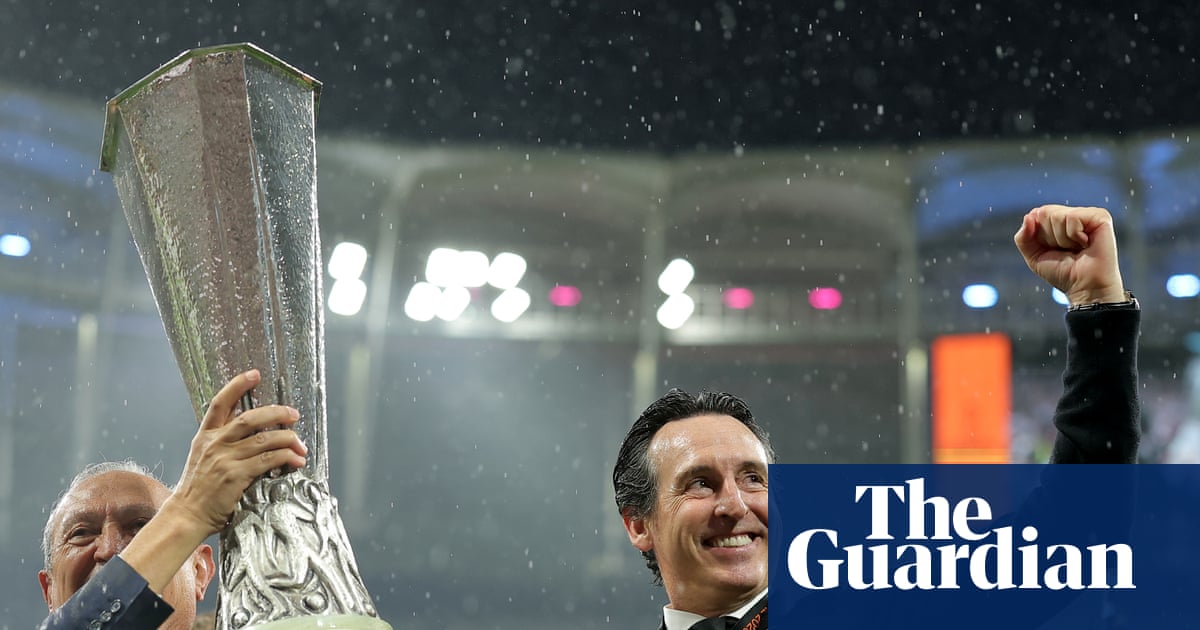
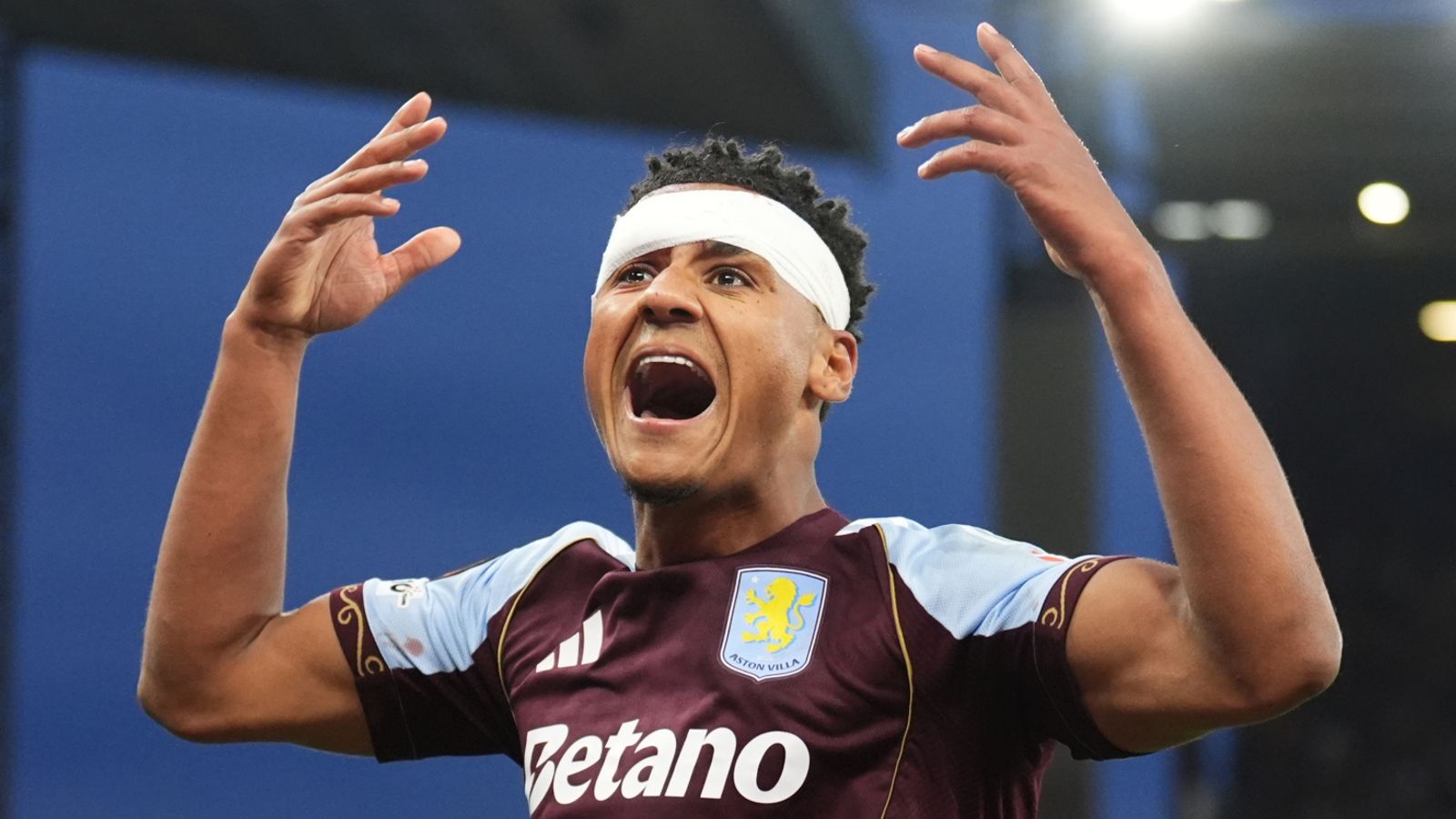
Unai Emery remains the undisputed king of the Europa League. Aston Villa's march to the final against Freiburg hasn't been a sequence of beautiful performances, but rather a masterclass in knockout football pragmatism. They suffered through severe injuries and a brutal domestic schedule that threatened their league position.
Yet they keep finding ways to win ugly when it matters most. As Sky Sports detailed in their live coverage, this final is a massive test for a squad stretched to its absolute physical limits. Emery turned Villa Park into a fortress, making them heavy favorites to lift continental silverware.
6. The Rodri Vacuum at Manchester City
You never truly understand the structural integrity of a building until you remove the main load-bearing pillar. Manchester City without Rodri looked entirely mortal for the first time in years. Following his severe knee injury, the City midfield was frequently overrun in defensive transitions.
Mateo Kovacic and Rico Lewis tried valiantly to plug the gap, but they simply lacked the Spaniard's preternatural reading of the game. Teams suddenly realized they could counter-attack directly through the center of the pitch. It proved definitively that Pep Guardiola's system cannot function optimally without the best holding midfielder on the planet.
5. Arsenal's Grinding Defensive Machine
Mikel Arteta's Arsenal finally stopped trying to be the most entertaining team in England and settled for being the most difficult to break down. The defensive partnership of William Saliba and Gabriel Magalhaes turned clean sheets into routine, entirely joyless operations. They choked the life out of matches, content to score from a set-piece and defend a 1-0 lead for an hour.
It wasn't always fun to watch, and television pundits frequently hammered their lack of attacking fluidity. But it collected points at a relentless, mechanical rate. The shift in mentality proved that Arsenal had finally developed the dark arts required for a grueling title race.
4. Mbappe's Madrid Integration Issues
Kylian Mbappe arriving at the Santiago Bernabeu was supposed to end the Champions League as a competitive tournament. The reality on the pitch was much more complicated and frustrating. Carlo Ancelotti had to figure out how to balance Mbappe, Vinicius Junior, and Jude Bellingham without compromising the team's defensive structure.
The early months featured selfish runs, poor attacking spacing, and moments where the front three occupied the exact same zones on the left flank. Bellingham was forced deeper, severely blunting his goalscoring threat. It took months of tactical tweaking and harsh locker room conversations before the attacking trio figured out how to share the spotlight.
3. Leverkusen's Mortality Confirmed
All unbeaten streaks eventually die. Bayer Leverkusen's invincible aura, carefully constructed by Xabi Alonso over a historic double-winning campaign, finally shattered. The loss itself wasn't the major story; it was how the squad reacted to the unfamiliar taste of defeat.
For the first time in over a year, they had to answer difficult questions about their mentality and tactical flexibility. Alonso's touchline demeanor visibly changed as his team struggled to regain their rhythm. Opponents stopped fearing them and started attacking their high wingbacks with aggressive overloads, forcing Leverkusen to evolve past relying on stoppage-time miracles.
2. The Pre-World Cup Preservation Mode
Every single managerial decision made this spring has been heavily colored by the expanded FIFA World Cup. With the June 11 kickoff looming in North America, self-preservation has become the primary motivation for elite players. Club managers are furious, resting key personnel because medical staffs are raising red flags about cumulative load management.
Star players are routinely pulling out of meaningless national team friendlies, citing phantom muscle tightness just to protect their hamstrings. The intense domestic season has often felt like an obstacle course players are simply trying to survive. The tension between club commitments and national team dreams has never been more strained.
1. Klopp's Corporate Pivot
Nothing shattered modern football romanticism quite like Jurgen Klopp joining the Red Bull empire. The man who cultivated a genuine working-class hero persona suddenly became the face of the sport's most clinical, data-driven corporate franchise. Fans in Germany revolted instantly, unfurling massive protest banners across the Bundesliga.
The move completely rewrote his legacy for a large section of the traditionalist fanbase. They viewed him as the absolute last bastion against the ruthless commercialization of the game. It was a harsh reminder that in modern football, sentimentality always loses to corporate strategy, trading heavy metal football for an executive suite.
Honorable Mentions
- Chelsea's continued reliance on Cole Palmer to single-handedly bail out their massive squad investment deserves a reluctant nod.
- Harry Kane scoring at a historic clip while Bayern Munich struggled defensively was equally fascinating to watch.
- The sheer absurdity of the upcoming 32-team FIFA Club World Cup format continues to generate massive anger from player unions.