The Rise of Tactical Flux
International football in early 2026 has been defined by a departure from defensive staleness. Managers are finally abandoning conservative mid-blocks in favor of high-press schemes that prioritize squad versatility over fixed positions.
The Rankings
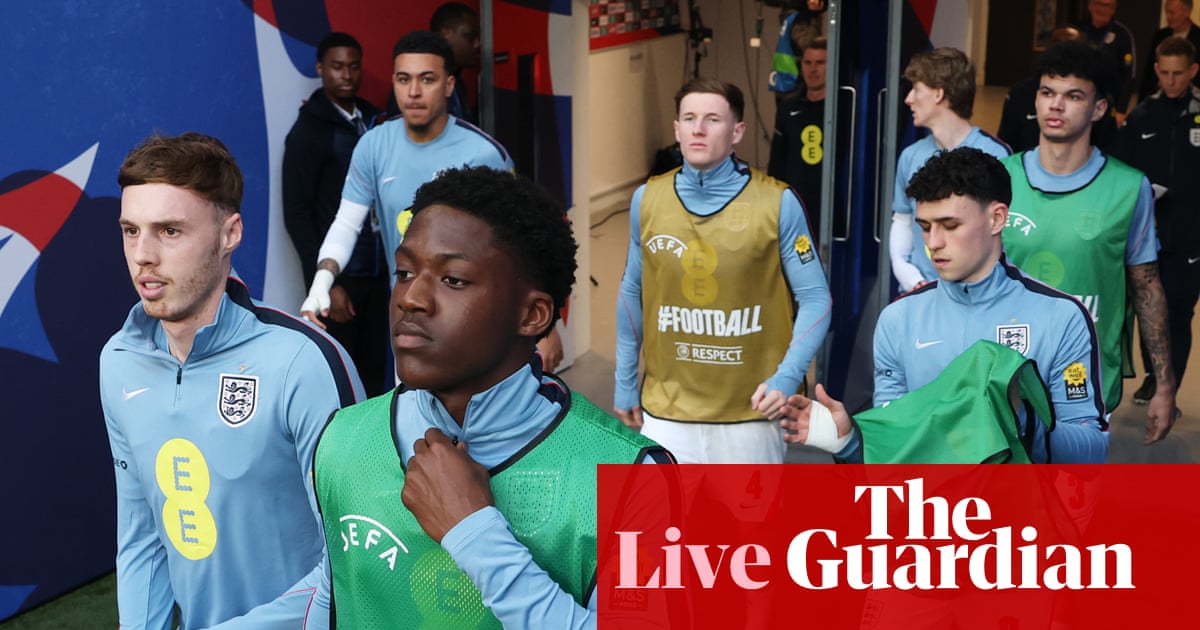
1. The England Captaincy Experiment. Tonight, March 31, 2026, Marc Guehi leads the Three Lions against Japan. This represents a seismic shift in hierarchy. By moving away from established veteran leadership, the FA is signaling a total reset for the 2026 cycle. Guehi, technically gifted and calm under pressure, represents the modern ball-playing center-back the system demands.
2. Brighton's Kaoru Mitoma putting Japan 1-0 up at Wembley. The winger dismantled the English right flank in the opening 20 minutes with a series of cutting inside runs. It forces Southgate to question the balance of the squad, as Brighton's Mitoma strokes Japan ahead, highlighting a lack of tracking back from the advanced midfielders. England is scrambling to adjust their defensive shape against a rapid counter-attack.
3. The tactical abandonment of the holding midfielder. Across the Premier League, clubs are shifting to dual-pivot systems that prioritize secondary transition speed over pure interception numbers. This movement began in January and has trickled into national team squads. It suggests that control, rather than physical dominance, is the goal for summer tournaments.
4. Bukayo Saka's injury withdrawal from the England squad. While necessary for his long-term health, it leaves a void in the tactical structure. Reports from the camp indicate muscle fatigue following a heavy string of fixtures for Arsenal. The reliance on him to provide width is an obvious bottleneck in the current formation.
5. The rise of inverted wing-backs in Bundesliga fixtures. Managers are experimenting with full-backs who act as a second pivot in possession. This forces opposition wingers into uncomfortable defensive positions, creating space in the half-channels. It is a refinement of the Guardiola influence now filtering down to mid-table teams.
6. The surge of direct, vertical passing metrics. Statistical analysis for February and March shows a 15% increase in progressive passes over 30 yards. Tactical coaches are emphasizing quick transitions to catch high-pressing teams off guard. Sides that lack pace in the back line are suffering immensely this quarter.
7. The inconsistency of VAR intervention in Champions League knockout rounds. While the technology is more accurate, the time taken to reach decisions is killing the rhythm of major ties. The delay in the Round of 16 second legs averaged 4 minutes and 12 seconds per subjective call. This remains a significant hurdle for match flow.
8. Jude Bellingham's adaptation to a deeper role. Moving him back from a traditional 10 role to an 8-plus-1 role has altered how Real Madrid builds from the back. It allows him to dictate the tempo, though it often leaves the side vulnerable to counter-attacks. It is a high-risk, high-reward modification that showcases his technical ceiling.
9. The re-emergence of the traditional poacher. Despite the trend toward complete forwards, strikers who specialize in one-touch finishing are finding renewed value. Mid-table outfits are targeting these profiles to maximize limited possession metrics. It is an aesthetic step backward, but the efficiency numbers are undeniable.
10. The failure of the mid-season winter break in total. The schedule has become more congested than ever, with players reporting exhaustion as early as February. If the clubs do not find a way to rotate squads effectively, the fatigue will cause a drop in performance quality during the World Cup. It remains the most glaring mismanagement of player fitness in recent years.
The Big Picture
The 2026 calendar is moving at a breakneck speed, leaving players with minimal time for recovery before the World Cup kicks off on June 11. Adapting to this pace has become the defining challenge for managers globally.
Honorable Mentions
The late-game collapse of Manchester City's press intensity, the sudden emergence of young attacking talent in the Dutch Eredivisie, and the record-breaking attendance numbers for Serie A women's matches.