The Big Picture
Ranking the structural shifts in football history is an ugly, thankless job. Fans cling to the rusted turnstiles and obstructed views of their youth like security blankets. But the financial reality of the modern game dictates that clubs either build or die. Nostalgia does not pay the wage bill. As Everton finally integrates into their new dockside fortress ahead of the 2026 campaign, we are grading the most significant stadium moves and rebuilds of the last twenty-five years. A bad stadium move can cripple a club for a decade. A good one changes their financial ceiling forever.
10. AFC Wimbledon Returns to Plough Lane (2020)
This was never supposed to happen. When the original Wimbledon was hijacked and dragged to Milton Keynes in 2002, the fanbase started over at the absolute bottom of the pyramid. Eighteen years later, they opened a new 9,300-capacity ground exactly where they belong. It lacks the corporate sheen of the mega-clubs, but that is exactly the point. The fan-led funding model proved that a club could actually go home again. They defied the franchise model that American owners tried to force onto the English pyramid. The Dons held their first game back at Plough Lane in November 2020 behind closed doors. It took another year for fans to finally pack the stands. It remains a massive middle finger to modern football ownership.
9. Athletic Club Rebuilds San Mames (2013)
Replacing a cathedral is dangerous business. The original San Mames was the most intimidating ground in Spain, built in 1913 and dripping with Basque history. Athletic Club opted to build the new stadium literally on top of the old one. They completed it in phases so they never had to leave Bilbao. The transition was completely seamless. They retained the steep vertical seating that traps crowd noise directly over the pitch. Other Spanish clubs took note immediately. The acoustics are engineered to weaponize the Basque supporters. When Inaki Williams goes on a run down the wing, the noise literally shakes the press box. They retained their soul while securing their financial future.
8. Atletico Madrid Relocates to the Metropolitano (2017)
Leaving the Vicente Calderon felt like a betrayal to Atletico's working-class roots. The Calderon was decaying, but it sat right on the Manzanares river and vibrated violently during Madrid derbies. The move to the Wanda Metropolitano pushed the club to the city's quiet outskirts. It was a massive financial upgrade, boasting over 68,000 seats and VIP boxes that the Calderon severely lacked. Yet, it took Diego Simeone's squad nearly three years to make the new concrete bowl feel like home. The atmosphere is routinely flat during league fixtures against lower-table opposition. Fans complain endlessly about the wind howling through the open sections of the roof. It was a necessary evil, but the romantic era of Atletico died the day the Calderon was reduced to rubble.
7. Juventus Opens the Allianz Stadium (2011)
Juventus realized earlier than anyone else in Italy that the municipal stadium model was dead. The Stadio delle Alpi was a cavernous disaster with a running track that kept fans miles away from the pitch. Juve demolished it and built a tight, 41,000-seat arena. Owning their own ground gave them a massive revenue advantage over Milan and Inter, who are still trapped in the crumbling San Siro. This move directly fueled their run of nine consecutive Serie A titles. It remains the gold standard for Italian stadium development. While Roma and Lazio continue to fight with city councils over basic construction permits, Juventus operates a modern corporate machine. The tight stands trap the noise perfectly, making a 40,000-seat venue sound twice as large during Champions League nights.
6. West Ham Abandons Upton Park (2016)
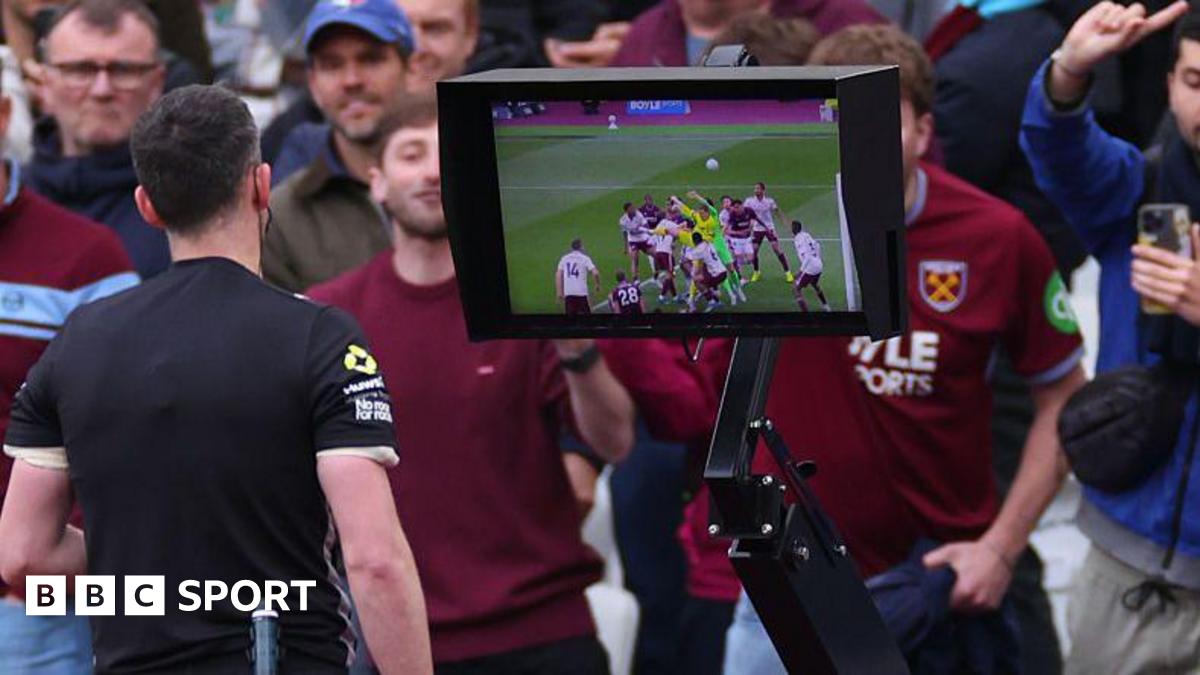
This is the textbook example of how not to move a football club. Upton Park was an absolute fortress. The Boleyn Ground had fans breathing down the necks of opposing wingers. West Ham ownership traded that historic intimacy for a cheap lease at the London Stadium following the 2012 Olympics. It was a disastrous aesthetic choice. The stands are entirely too far from the pitch. The concourses feel like an airport terminal. Despite recent retrofits, it remains a soulless bowl ill-suited for football. The board sold the club's soul for a higher capacity, completely alienating a massive chunk of their local fanbase. You cannot replace a century of tribal hostility with an LED ring and a popcorn stand. Visiting teams used to fear Upton Park. Nobody fears a trip to Stratford.
5. Arsenal Leaves Highbury for the Emirates (2006)
Arsene Wenger sacrificed the prime of his managerial career to pay for this building. Highbury was a pristine, art-deco masterpiece, but its 38,000 capacity could not compete with Manchester United's matchday revenue. The move to the Emirates saddled Arsenal with crippling debt right as Roman Abramovich began pumping Russian oil money into Chelsea. Arsenal spent a decade selling their best captains to rivals just to make the mortgage payments. The gamble worked eventually, but the short-term cost was staggering. Arsenal went from Invincibles to fighting for fourth place almost overnight. The atmosphere suffered terribly as corporate ticket pricing drove out the loudest supporters. Mikel Arteta had to essentially manufacture a new club culture from scratch to finally wake the building up.
4. Everton Finally Reaches the Waterfront
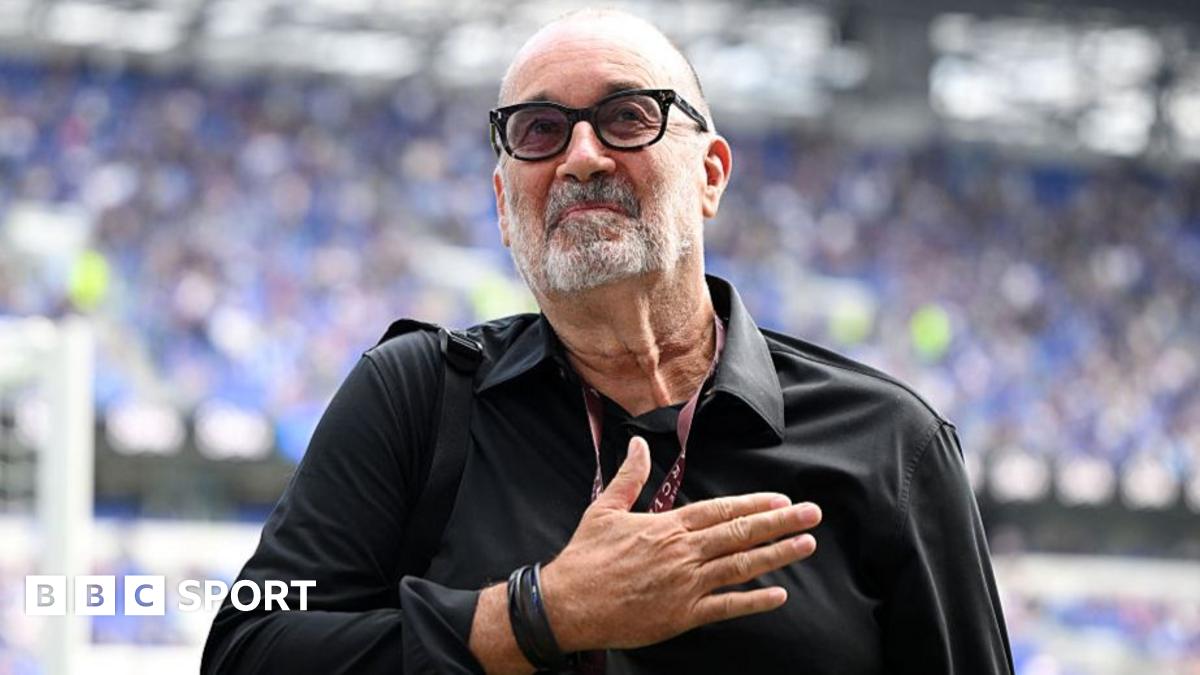
Goodison Park is a wooden-seated relic that should have been replaced two decades ago. The saga of Everton's new ground at Bramley-Moore Dock is a genuine miracle of persistence. As the BBC recently documented, architect Dan Meis survived relegation battles, ownership chaos, a pandemic, and global supply chain issues to get the Hill Dickinson Stadium built. Meis even got an 1878 tattoo to commemorate the club's founding. The 52,000-seat arena finally drags the blue half of Merseyside into the modern financial era. It fixes their revenue ceiling, provided they can actually stay in the Premier League long enough to enjoy it. Leaving Goodison will hurt deeply. But avoiding the slow death of financial irrelevance is worth the pain of moving. The sheer scale of the project on the Mersey changes the skyline of the city entirely.
3. The New Wembley Opens (2007)
The demolition of the Twin Towers was viewed as cultural vandalism in 2000. The FA spent entirely too much money and faced endless construction delays before the new Wembley finally opened in 2007. The famous arch replaced the towers as the defining feature of the London skyline. While the corporate seating completely deadens the atmosphere for standard international friendlies, the sheer scale of the 90,000-seat venue is undeniable. It centralized English football's biggest moments and immediately became the premier venue for UEFA. The sheer cost forced the FA into signing naming rights deals and hosting endless non-football events to cover the massive debt. It is a massive corporate machine designed to print money. The soul of the old stadium is gone, but the financial returns are staggering.
2. Real Madrid Wraps the Bernabeu in Steel (2023)
Florentino Perez does not do anything quietly. Rather than build a new stadium outside the city, Real Madrid spent over £1.5 billion to turn the Santiago Bernabeu into a metallic spaceship in the middle of the Spanish capital. They added a retractable pitch, a massive 360-degree halo screen, and a heavy roof. Perez realized that holding 80,000 people for football matches was no longer enough. The venue is now a daily revenue machine, hosting NFL games, massive concerts, and basketball tournaments. It is an aggressive flex of financial supremacy over a financially crippled Barcelona. The underground greenhouse that stores the pitch is a wild engineering marvel. It is loud, obnoxious, and utterly brilliant.
1. Spurs Set the Modern Standard (2019)
Daniel Levy gets heavily criticized for his rigid wage structures, but he nailed this construction project perfectly. Tottenham Hotspur Stadium makes every other ground in England look immediately outdated. They built a towering 17,500-seat single-tier South Stand to replicate the yellow wall at Dortmund. They installed a sliding pitch that reveals a synthetic NFL turf underneath, securing massive American money. It cost over £1 billion and delayed their transfer spending for years, but it permanently elevated the club's valuation. Spurs might still struggle to win trophies, but their matchday revenue now rivals the biggest clubs on the planet. It is the undisputed template for what a modern, multi-purpose sports venue must look like in the 21st century.
Honorable Mentions
Liverpool's piecemeal expansion of Anfield preserved their historic advantage while significantly expanding capacity. Bayern Munich's Allianz Arena remains a glowing beacon of German efficiency. Chelsea's persistent failure to rebuild Stamford Bridge keeps them permanently handicapped in matchday revenue.
Read Next