The Big Picture
The managerial carousel is spinning again. Tottenham Hotspur are searching for a new identity, and Roberto De Zerbi has emerged as the clear frontrunner for the hot seat. As Mirror Football reported, Steven Gerrard has publicly praised the Italian's flawless track record for developing young talent. Spurs desperately need a structural rebuild from the ground up. De Zerbi fits the specific, progressive profile Daniel Levy is supposedly chasing. But hiring a manager is always a massive gamble, especially in North London. For every visionary appointment that defines a decade of success, there is a catastrophic mismatch waiting to implode in front of the cameras. A manager sets the entire culture of a football club from day one. They dictate the training intensity, the media strategy, and the dressing room hierarchy. Looking back at the modern Premier League era, the right man arriving at the exact right moment changes everything. Here are the ten most impactful managerial arrivals—ranked by their immediate shockwave and their lasting historical legacy.
10. Unai Emery to Aston Villa (2022)
Aston Villa were sinking rapidly under Steven Gerrard. The football was turgid, the midfield was bypassed entirely, and relegation looked like a genuine threat. Emery arrived in October 2022 and instantly installed a tactical floor. He instructed a high defensive line and demanded composed build-up play from the back. Villa went from 16th place to securing European football in a matter of months. Emery proved his chaotic Arsenal stint was a structural anomaly, rather than a reflection of his coaching elite. He turned a disjointed squad into a ruthless machine.
9. Antonio Conte to Chelsea (2016)
Following the spectacular Jose Mourinho meltdown of 2015, Chelsea were a fractured, miserable squad. Conte arrived with his relentless intensity, but started poorly, culminating in a 3-0 humiliation at Arsenal. He famously switched to a back three at half-time in that match. The rest was history. Chelsea ripped off a 13-game winning streak and steamrolled the league with 93 points. It burned out quickly, as Conte's tenures almost always do. His abrasive, demanding nature alienated the board and the players within 18 months, leading to his inevitable sacking.
8. Roberto De Zerbi to Brighton (2022)
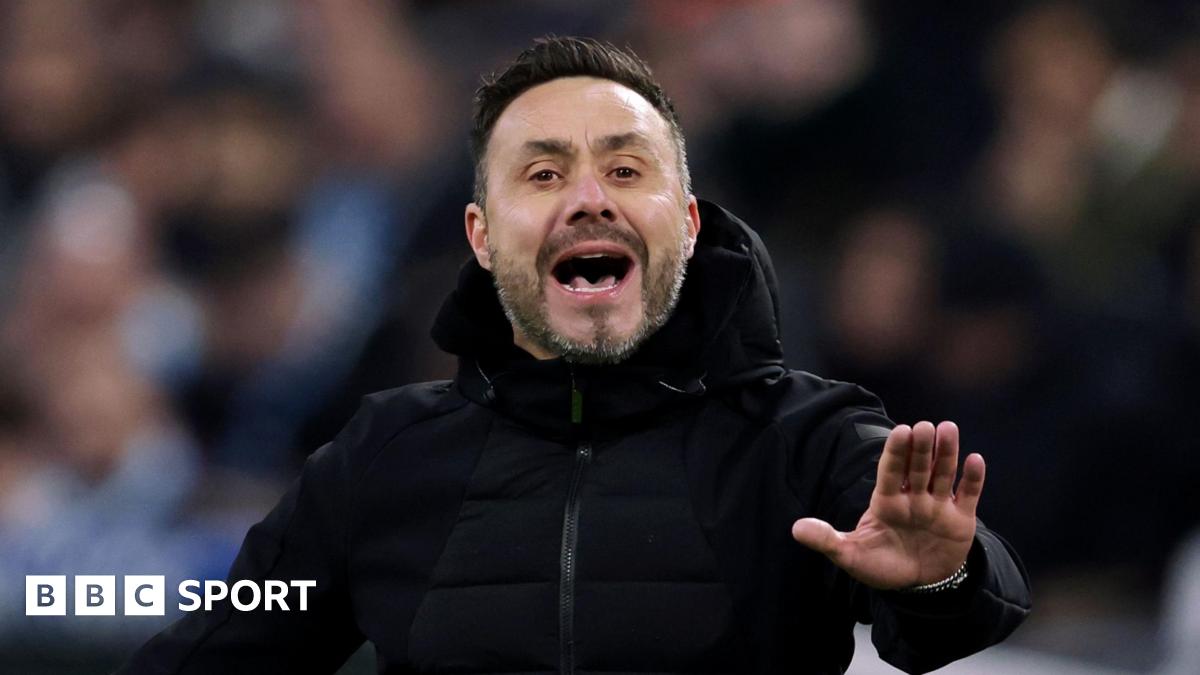
When Graham Potter abruptly left for Chelsea, Brighton looked incredibly vulnerable. They had lost their tactical architect. Instead of regressing, they actively upgraded. De Zerbi took a solid, possession-heavy team and turned them into the most aggressive pressing trap in European football. He baited opposition teams deep into the Brighton penalty area before slicing through them with rapid, vertical passing sequences. He secured European football for the first time in the club's history, all while the board consistently sold his best players to bigger clubs. It makes total sense why Tottenham are heavily courting him now. He builds resilient attacking systems that survive individual player departures, which is exactly what Spurs need post-Harry Kane.
7. Jose Mourinho to Manchester United (2016)
A massive seismic moment, but ultimately a toxic one. Manchester United desperately needed a winner; Mourinho desperately needed to prove he wasn't finished after the Chelsea debacle. They won the Europa League and League Cup in his first season. But the football was dire, defensive, and completely at odds with the club's historical attacking ethos. The environment quickly became suffocating. He routinely threw young players under the bus in press conferences to protect his own ego. It set United's internal culture back years, and they are still paying the price for that brief sugar rush of trophies.
6. Jurgen Klopp to Liverpool (2015)
Liverpool were a club living entirely in the past, drifting aimlessly under Brendan Rodgers. Klopp walked into Anfield and demanded they turn from doubters to believers. It took time, and he lost multiple finals early on. But the recruitment under Michael Edwards was flawless, and Klopp's heavy metal pressing system overwhelmed the league. He broke the 30-year title drought and conquered Europe. His departure leaves a massive void, but his arrival fundamentally resurrected a sleeping giant that had forgotten how to win.
5. Claudio Ranieri to Leicester City (2015)
This remains the most ridiculous appointment on paper in modern football history. Ranieri had just been sacked by the Greek national team after suffering a humiliating defeat to the Faroe Islands. Gary Lineker famously tweeted his utter dismay at the hiring, speaking for the entire Leicester fanbase. Nine months later, Leicester City won the Premier League at 5000/1 odds. Ranieri didn't overcomplicate things or try to reinvent the wheel. He deployed a deep defensive block, relied on N'Golo Kante to cover an impossible amount of ground, and unleashed Jamie Vardy in rapid transitions. It defies all sporting logic. It is the greatest sporting upset of the century and, in an era of state-owned super clubs, it will absolutely never happen again.
4. Mikel Arteta to Arsenal (2019)
Arsenal were a soft touch, widely mocked for their weak mentality. Arteta arrived with zero senior managerial experience, carrying Pep Guardiola's training cones. The early years were incredibly rough. Back-to-back eighth-place finishes had the Emirates crowd calling for his head. But the board held their nerve. Arteta ruthlessly gutted the squad, paying off toxic earners like Pierre-Emerick Aubameyang to leave. He built a young, hungry, title-contending squad from the ground up. It was a massive gamble on an unproven coach that paid off spectacularly.
3. Pep Guardiola to Manchester City (2016)
The blueprint was laid out years in advance by former Barcelona executives Ferran Soriano and Txiki Begiristain. Manchester City essentially built their entire sporting operation specifically for Guardiola's eventual arrival. He walked in and demanded total, uncompromising control over the playing style. He brutally benched club legend Joe Hart immediately simply because he demanded his goalkeeper play out from the back under pressure. It completely revolutionised English football tactics, forcing lower-league teams to abandon long-ball football. The sheer domestic dominance since is undeniable. City have broken the 100-point barrier and secured a treble. However, the looming 115 financial charges continue to cast a long, dark shadow over the ultimate legitimacy of the entire sporting project.
2. Arsene Wenger to Arsenal (1996)
Arsene Who? read the London evening papers. An unknown Frenchman arriving from the Japanese league changed English football's diet, training methods, and scouting networks overnight. He banned the drinking culture and introduced plyometrics. He built the legendary Invincibles team that went 49 games unbeaten. The later years of his reign were sadly defined by stadium debt and tactical stubbornness against modern pressing systems. However, his initial impact modernised the entire league and forced everyone else to catch up to his standards.
1. Jose Mourinho to Chelsea (2004)
The original Special One. He walked into his very first English press conference, looked the media in the eye, and calmly declared himself a champion. He backed up the extreme arrogance immediately. Chelsea conceded just 15 goals in the entire 2004-05 season—a defensive record that will likely never be broken in modern football. He smashed the established Arsenal-Manchester United duopoly with pure tactical pragmatism and a suffocating, ruthless defensive structure built around John Terry and Claude Makelele. Mourinho shifted the center of power in English football permanently. He made Chelsea a global superpower overnight. He proved that massive financial investment, when paired with an elite tactical mind, could instantly buy dominance.
Honorable Mentions
Rafa Benitez arriving at Liverpool brought European royalty back to Anfield, capped off by the miracle of Istanbul. Mauricio Pochettino took a mid-table Tottenham side and turned them into Champions League finalists through pure physical conditioning and aggressive pressing. Both men shifted the base expectations of their respective clubs. Finally, Sam Allardyce to Bolton Wanderers deserves a shoutout for bringing sports science and data analysis into the English mainstream long before the elite clubs caught on.