Levy returns to the altar of aesthetic football
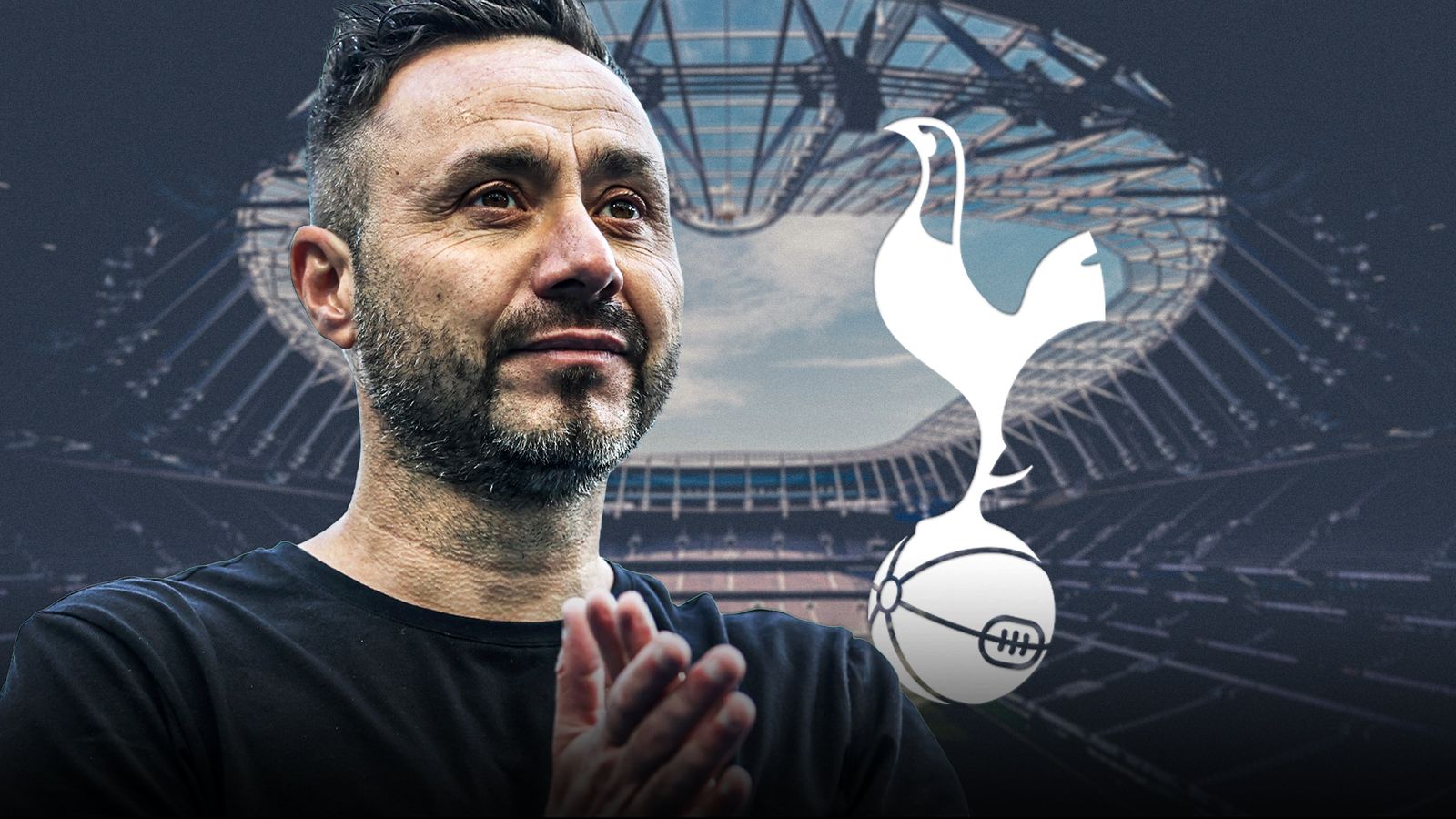
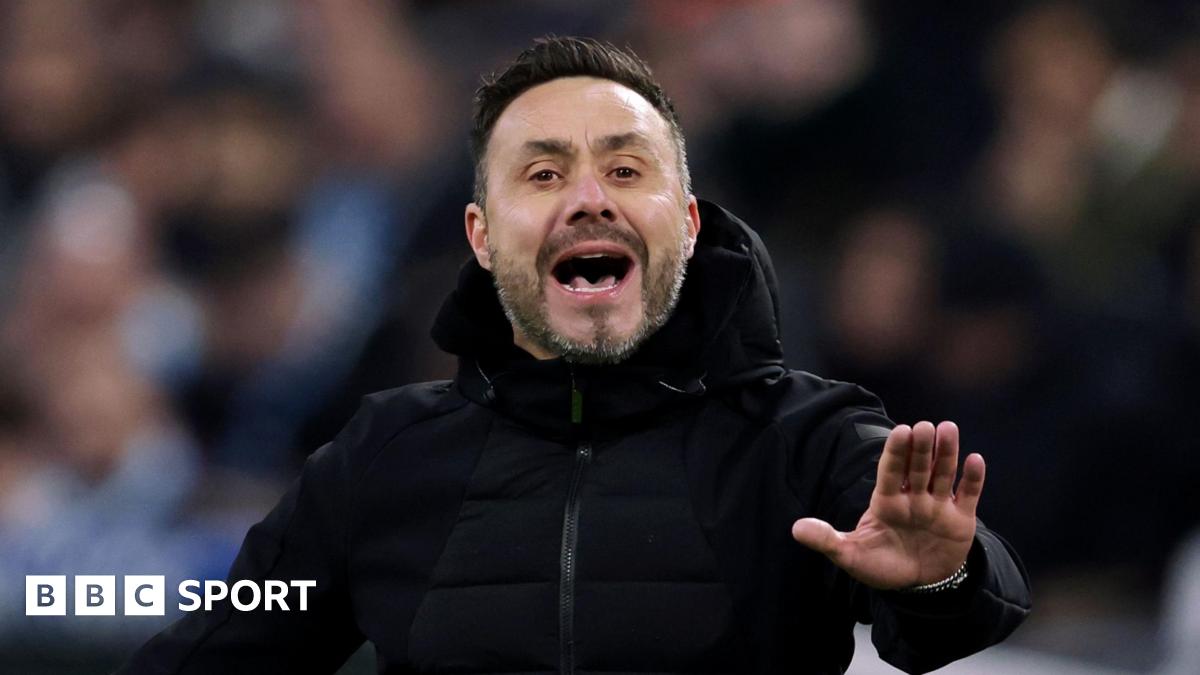
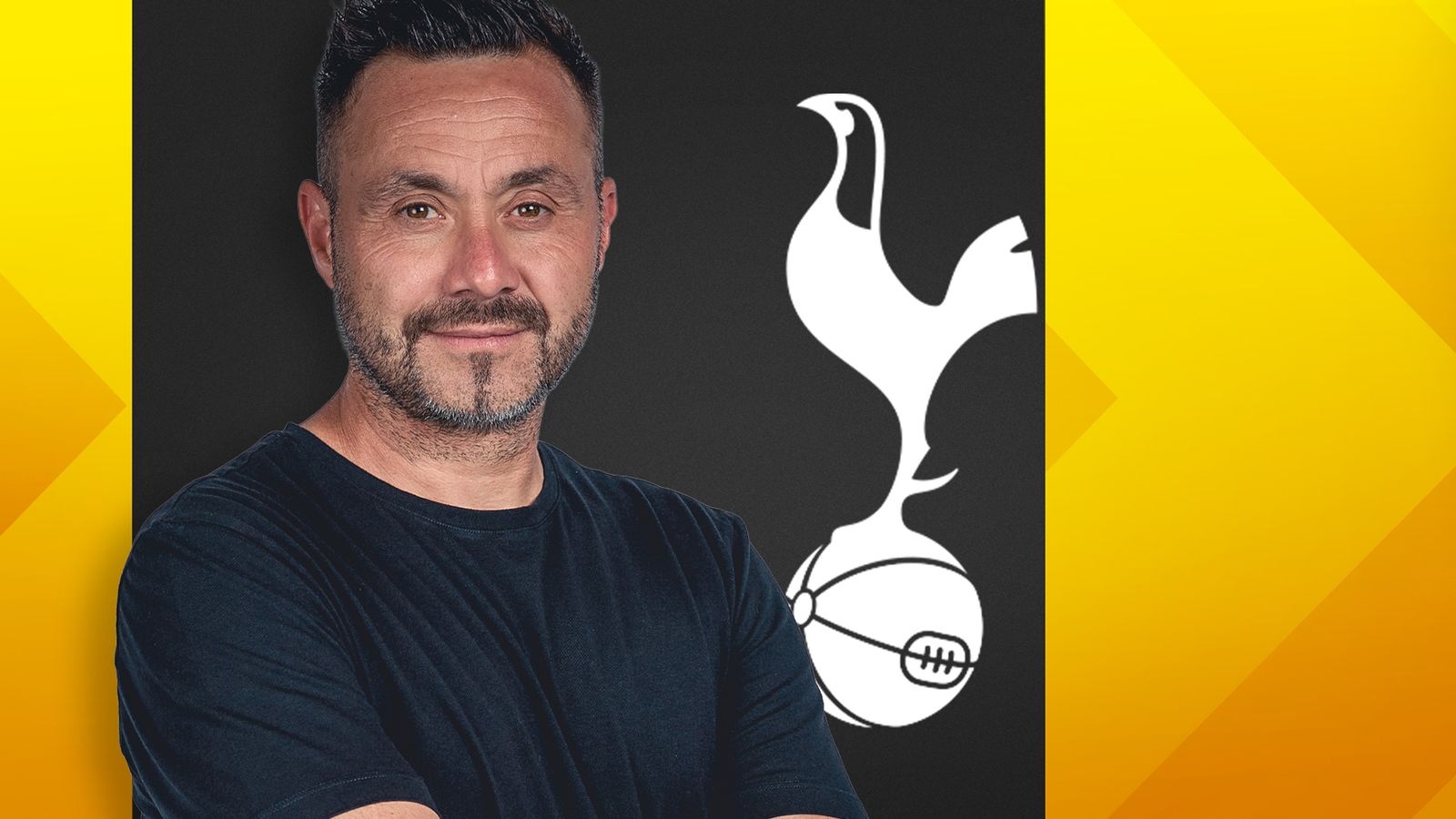
The news broke late on Monday via BBC Sport, and the implications for the white half of North London are staggering. Roberto De Zerbi is in advanced talks to take the Tottenham Hotspur job, and unlike his previous stances on mid-season appointments, the Italian is reportedly ready to start work immediately. This isn't just a managerial change; it is a total philosophical pivot that will either propel Spurs into the elite or burn the stadium down in a blaze of transition goals.
For Daniel Levy, this represents a return to the 'DNA' he so famously cited years ago. After the pragmatism of the late-Conte era and the transitional period that followed, De Zerbi offers a specific, dogmatic brand of football that demands total buy-in. To understand why this is a massive gamble, you have to look at the geometry. De Zerbi doesn't just want possession; he wants to bait the opponent into a false sense of security before slicing them open with verticality.
The timing is particularly chaotic. With the Champions League quarter-finals kicking off in just eight days, the idea of introducing a manager whose tactical drills usually require months of muscle memory is borderline suicidal. Yet, that is the De Zerbi way. He is a coach who believes his system is a universal truth, applicable to any squad if they have the technical courage to stand on the ball while a striker breathes down their neck.
The mechanics of the De Zerbi build-up
The hallmark of De Zerbi’s Brighton side was the 'sole' of the boot. Players like Lewis Dunk would literally stop moving, enticing the opposition to press. This creates the 'artificial transition.' By inviting the press, you create space behind the midfield line. For a Spurs team that has struggled with static possession against low blocks, this could be a revelation. Imagine Cristian Romero and Micky van de Ven as the primary distributors in this system.
Van de Ven, in particular, is a perfect candidate for the De Zerbian high line. His recovery speed allows the team to squeeze the pitch to an almost claustrophobic degree. However, the risk factor is astronomical. In De Zerbi’s final season on the south coast, his side’s pass completion in their own defensive third was 74 percent, a figure that led to several high-profile concessions. If Romero loses his head or misses a line-breaking pass, there is no safety net.
In the midfield, the double pivot becomes the engine room. This is where James Maddison faces his biggest challenge. In a De Zerbi 4-2-4 or 4-2-3-1, the pivots must be disciplined, almost robotic, in their positioning. Maddison likes to wander, to find the 'half-spaces' on his own terms. Under De Zerbi, those spaces are manufactured by the movement of others. It will require a level of positional maturity we haven't always seen from the England international.
Why the immediate start is a red flag
Taking over a top-six club on March 30th is a move born of desperation or extreme arrogance. Usually, it's a bit of both. By insisting on an immediate start, De Zerbi is skipping the 'honeymoon' period where a manager assesses the squad from the stands. He wants his hands on the training pitch tomorrow. This suggests he believes the current Spurs squad is already 'De Zerbi-ready,' a claim that is difficult to justify when looking at their recent defensive lapses.
The critical observation here is De Zerbi’s lack of a Plan B. When his system is countered—usually by a team that refuses to press and simply sits in a mid-block—he rarely deviates. We saw this at Marseille and in his final months at Brighton. The football becomes a repetitive loop of sideways passes that achieve nothing but a high possession stat. If Spurs find themselves 1-0 down to a disciplined Wolves or Everton side, the 'De Zerbi-ball' can quickly turn into a frustrating exercise in futility.
There is also the question of squad depth. De Zerbi’s system is physically and mentally exhausting. It requires wingers who can pin full-backs for 90 minutes and a striker who acts as a focal point for third-man runs. While Son Heung-min remains a world-class transitional threat, asking him to play as a touchline-hugging winger at this stage of his career might be a waste of his finishing instincts. The tactical fit is snug in some places, but it’s a jagged mess in others.
Predicting the North London volatility
The data suggests that De Zerbi teams almost always see a spike in xG (expected goals) within the first five games. He simplifies the attacking patterns and encourages risk. For a Spurs fanbase that has grown weary of sideways passing, the first few weeks will feel like a shot of pure adrenaline. But once the league's analysts get a look at how Spurs are rotating their pivots under the new regime, the cracks will appear.
De Zerbi’s teams frequently concede from set-pieces and counter-attacks because their structure is designed to be offensive at all costs. Last season, his teams averaged 1.85 xG against per 90 minutes, which is a relegation-level defensive stat disguised by top-four attacking output. For a club like Tottenham, which already has a reputation for 'Spursy' collapses, adding a manager who thrives on volatility is like throwing petrol on a forest fire.
The upcoming April schedule is a gauntlet. If De Zerbi can navigate the first leg of a quarter-final and keep Spurs in the race for fourth place, he will be a hero. But the more likely scenario is a string of 3-2 losses that leave the fans entertained but the trophy cabinet empty. Levy is betting on the 'entertainment' factor to buy him time with a disgruntled stadium, but results are the only currency that matters in the Champions League era.
The Final Verdict
This appointment is the ultimate high-risk, high-reward play. De Zerbi is a tactical visionary, but he is also a stubborn ideologue who refuses to compromise. If he gets his way, Spurs will be the most watchable team in Europe by mid-April. If he fails, he will be gone by Christmas 2026, leaving behind a squad of confused players and a massive bill for compensation. He isn't interested in a slow build; he wants the revolution now.
My prediction: The 'New Manager Bounce' will be spectacular. Spurs will win their first three games under De Zerbi, scoring at least ten goals in the process. Then, the reality of his defensive fragility will set in during the European away legs. It will be the most exciting, terrifying, and ultimately frustrating period in the club's modern history. Hold on tight, because the 12 points gap to the top of the table isn't going to close through caution.
Tottenham will qualify for the Champions League again, but they will do it with a goal difference that looks like a typographical error. De Zerbi is exactly what Spurs deserve: a manager as brilliant and as flawed as the club itself. Don't expect clean sheets, don't expect quiet Sunday afternoons, and definitely don't expect Daniel Levy to have a peaceful night's sleep for the next eighteen months.
Read Next
- De Zerbi to Spurs is the most dangerous appointment in the Premier League
- Daniel Levy is about to gamble the house on Roberto De Zerbi
- Tottenham are finally considering the one thing they've spent years avoiding
- Spurs have sacked Igor Tudor, and the underlying numbers explain exactly why
- 🏆 Europa League Final 2026 — Full Coverage Hub