The cold reality of the Tuchel era
St George’s Park is usually a place of carefully managed PR and sterile optimism. That changed this week. The tension ahead of Friday morning is real because Thomas Tuchel does not care about your favorite player's Instagram following or their status as a Premier League darling.
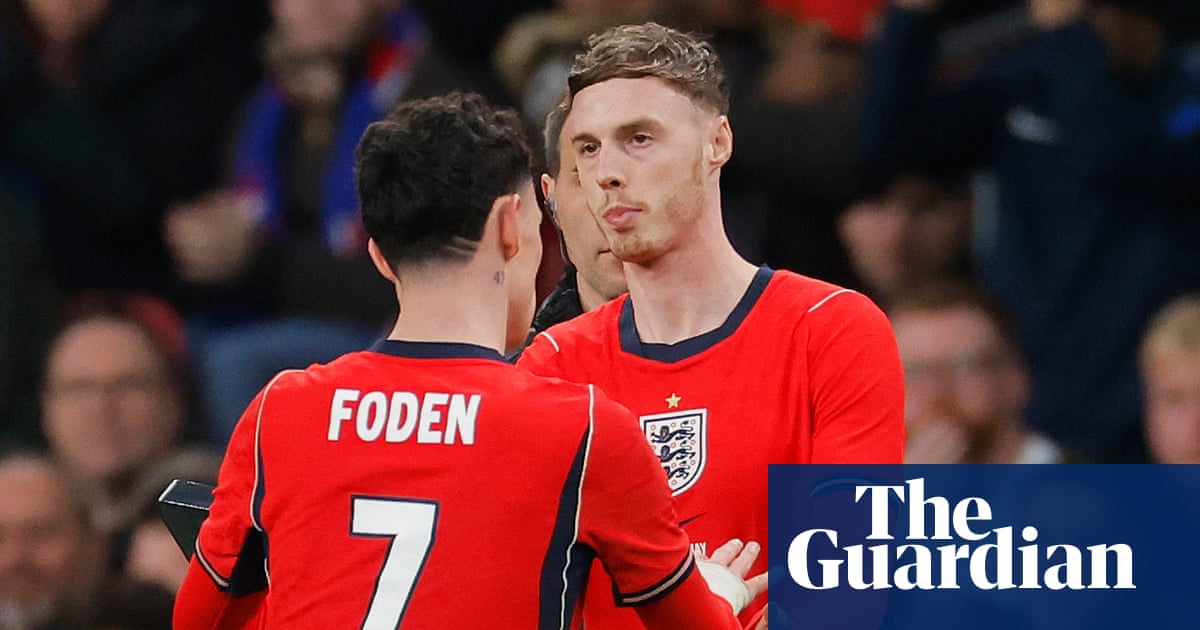
Reports from Mirror Football suggest the axe is falling on names we thought were untouchable. Harry Maguire is the headline departure, but the tremors surrounding Phil Foden and Cole Palmer are what should really keep fans awake tonight. This is not a slight tweak to the Gareth Southgate formula. This is a complete demolition of the previous hierarchy.
Tuchel is a coach who views the pitch as a series of zones to be controlled, not a stage for individual expression. If you do not fit the specific defensive triggers or the positional discipline he demands, you are a luxury he cannot afford. In a 26-man squad, every seat must serve the system. There is no room for sentimental inclusions or players who might 'do something' off the bench if they don't track back in the 70th minute.
Maguire and the end of the deep block
The omission of Harry Maguire is the most logical move Tuchel has made since taking the job. For five years, England’s defensive structure was built to protect Maguire’s lack of lateral speed. We played with a double pivot and often a back five because we were terrified of the space behind him.
Tuchel wants a high line. He wants his center-backs to squeeze the play into the middle third to facilitate a heavy counter-press. Maguire, for all his aerial dominance and bravery, is a liability in a 50-yard footrace against the elite forwards of France or Brazil. By cutting Maguire now, Tuchel is signaling that England will finally stop retreating into a low block at the first sign of pressure.
Watch the way John Stones has been instructed to step into midfield during the recent friendlies. He is being asked to maintain a pass completion rate of 89 percent under duress. Maguire’s tendency to take three touches before playing a safe lateral ball kills the tempo Tuchel craves. It is a ruthless call, but it is the correct one if England wants to dominate the ball rather than just survive without it.
The Foden and Palmer conundrum
If Maguire’s exit is tactical, the potential sidelining of Phil Foden and Cole Palmer is ideological. Foden is widely considered the most technically gifted player of his generation. Palmer is coming off a season where his output in the final third was unmatched. Yet, both are currently 'casualties' in the final reckoning.
The problem is space. Foden is at his best when he can drift from the half-spaces into the '10' role, operating with the freedom he enjoys under Pep Guardiola. Tuchel’s 3-4-2-1 or 4-2-3-1 variations require the wide attackers to hold very specific positions to stretch the opposition. Foden often wanders into the same zones as Jude Bellingham, clogging the central lanes and slowing the transition.
Palmer faces a similar hurdle. While his penalty-taking and vision are elite, he lacks the raw recovery speed that Tuchel demands from his wide men. In the German's system, the 'inverted wingers' are the first line of defense. If you lose the ball, you have three seconds to win it back or foul the opponent. Palmer’s defensive work rate is improved, but it isn't at the level of a Bukayo Saka or a Jarrod Bowen.
The danger of over-coaching genius
There is a significant risk here. We have spent a decade complaining that England managers didn't know how to use creative players. Now we have a manager who knows exactly how he wants to use them, and the answer might be 'not at all.' Sacrificing Foden’s ability to turn a game on its head for the sake of 'structural integrity' feels like a classic Tuchel over-correction.
International football is rarely won by the most complex tactical system. It is won by the team that handles the moments of chaos best. By removing the mavericks, Tuchel is betting everything on his ability to out-coach the opposition in the 18-yard box. If the system fails, he won't have the individual magic of a Foden or Palmer to bail him out in the 85th minute.
Midfield balance and the Rice-Bellingham axis
With the squad being finalized before the June 11 kickoff, the focus shifts to who actually makes the cut. Declan Rice is the only guaranteed starter in the pivot. The question is whether Tuchel trusts Bellingham to play deeper or if he wants a more disciplined 'sitter' next to Rice.
If Foden is out, it suggests Bellingham will be pushed into the advanced role. This allows for a more functional, hardworking midfield. It makes England harder to beat, but it also makes them more predictable. We saw this at Chelsea; Tuchel's teams often struggled to break down deep defenses despite having 70 percent of the possession. Without the 'chaos factor' of a Palmer or Foden, England might find themselves passing the ball into oblivion against teams like Switzerland or Denmark.
A critical look at the selection process
The biggest criticism of this approach is the lack of a Plan B. If you build a squad entirely of 'system players,' you have no way to change the gravity of a match when things go wrong. Tuchel is treating this like a 38-game league season where his methods will eventually bear fruit. In a knockout tournament, you get one bad night and you're at the airport.
Leaving out players of this caliber is a massive gamble on his own ego. He is effectively saying that his coaching is more valuable than the natural talent of England’s best individuals. It is a bold stance, but it is one that could backfire spectacularly if England exits in the quarter-finals to a team with half the talent but more attacking freedom.
The final verdict
Expect the squad announcement tomorrow to be met with fury. The social media reaction will be toxic, and the pundits will spend the next three weeks questioning why the Premier League Player of the Season is sitting on a beach while 'tactical' options take his place. Tuchel is inviting this pressure, and he better be ready for the fallout.
This is his third tournament as a top-tier manager where he has made a high-profile decision to sideline a fan favorite. At PSG it was a rotating cast; at Chelsea it was often the more expansive players. He has a track record of being right, but those were club environments with daily training sessions. He doesn't have that luxury with England.
My prediction? England will look incredibly organized and difficult to score against in the group stages. We will win our group comfortably, and the Tuchel 'masterclass' headlines will write themselves. But when we hit the semi-finals and need a moment of unscripted brilliance to unlock a world-class defense, we will look at the bench and realize the players who could have provided it are all at home.
Tuchel will stay true to his principles, and England will fall short in the same way they always do—not through a lack of talent, but through a failure to let that talent breathe. He is a brilliant tactician, but he might just be too smart for his own good this time around.
Read Next
- Tuchel cuts Maguire from England squad ahead of World Cup
- Foden's World Cup axing proves Tuchel won't risk half-fit stars
- Tuchel just ended the Harry Maguire era and the numbers explain why
- Why Tuchel dropping Maguire is a terrifying gamble for England
- 🏆 World Cup 2026 — Full Coverage Hub
- 🏴 England World Cup 2026 — Three Lions Hub