Australia just proved tactical discipline beats raw talent
The blueprint for a tactical upset
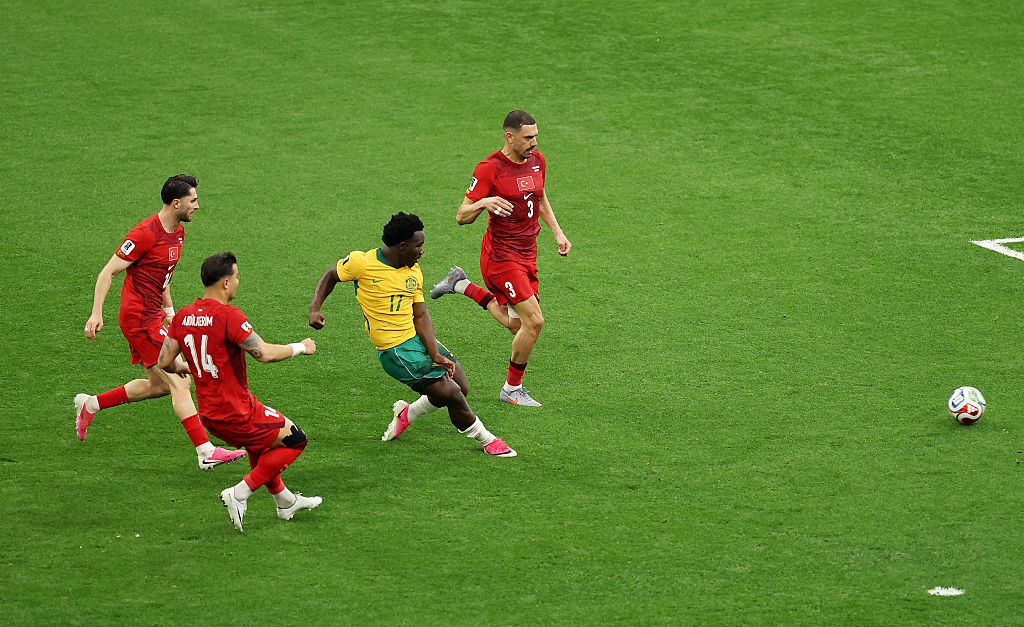
International friendlies are often dismissed as glorified training exercises. Yet, watching Australia dismantle Turkey today, the game felt like a masterclass in defensive structure over individual flair. The tactical setup was clear from the opening whistle: a low-block, five-man midfield that invited Turkey to chase the ball without ever finding space in the final third.
Metcalfe served as the offensive focal point, and his brace was the consequence of punishing transitional play rather than sustained possession. It is rare to see a side execute this level of discipline against a team with Turkey’s technical profile, but the match statistics tell a story of efficiency. When Sky Sports reported the match events, it became clear that Australia wasn't just defending; they were baiting.
The cost of Turkish complacency
Turkey looked disjointed, often relying on hopeful long balls that were easily mopped up by the Australian center-backs. Their lack of defensive recovery pace cost them dearly in the 42nd minute, when a botched clearance led directly to Metcalfe’s first finish. You could see the frustration on the faces of the attackers, who began pushing their fullbacks too high, effectively gifting the visitors the space they needed to double the lead.
As recent coverage noted, the result is a massive wake-up call for the home side. You cannot expect to dominate international fixtures through reputation alone. Australia arrived with a specific mandate and refused to deviate from it, managing the game tempo even when Turkey increased the intensity during the final twenty minutes.
Why this matters for the road ahead
What struck me most was the sheer physical commitment. It is one thing to have a game plan; it is quite another to stick to it for ninety minutes of suffocating pressure. The transition from a compact defensive state to a rapid counter-attacking shape was seamless, suggesting that drills on the training ground had been translated perfectly to the pitch.
However, I have to address a glaring flaw in the Australian side: their dependence on rapid transitions. While this worked perfectly against a disjointed Turkish defense, it feels unsustainable against higher-tier opposition. If forced to chase a game rather than hold a lead, the current personnel lack the creative dynamism needed to break down a bunkered team. Relying purely on Metcalfe’s individual brilliance is a dangerous long-term strategy that will eventually be scouted and neutralized.
The defensive stability of the back four yielded an impressive result today, but the attacking numbers remain shallow. This was a win built on 31% possession, a figure that is unlikely to hold up against more disciplined opposition later in the cycle. If they cannot diversify their attack, they risk becoming a one-trick pony. For now, they can celebrate a clinical performance, but the coaching staff has plenty to consider before the next international break. They won today, but they didn't prove they can build sustained dominance.
Read Next
- Australia’s tactical stagnation against Turkey is a warning sign
- Australia vs Turkey is absolute chaos and the fans are losing their minds
- Australia’s tactical discipline exposes Turkey’s transition flaws
- Australia vs Turkey: Parsing the tactical efficiency of disparate pressing styles
- 🇦🇺 Australia World Cup 2026 — Socceroos Hub
- 🇹🇷 Turkey at the 2026 World Cup — Full Coverage Hub
Official Manchester City FC Fan Scarf - Sky Blue/White
Show your Cityzens pride during the title race or at the pub.
Frequently Asked Questions
How did Australia defeat Turkey during their international match?
What role did Metcalfe play in the Australia versus Turkey result?
Why did Turkey fail to break down the Australian defense?
What is the main strategic concern for the Australian team?
How much possession did Australia have against Turkey?
More Coverage
Ange Postecoglou is turning the Socceroos into a fever dream
an hour ago
Eberechi Eze will be the heartbeat of England's World Cup quarter-final win
3 hours ago
Spain’s Euro 2026 title defense hinges on tactical evolution, not repetition
3 hours agoGermany show tactical fragility in underwhelming Curacao tie
5 hours ago
Scotland’s historic win exposes England's tactical fragility
15 hours agoAustralia’s tactical stagnation against Turkey is a warning sign
16 hours agoMore Analysis
Germany’s 7-1 slaughter of Curacao was a fever dream of defensive chaos
an hour ago
Manchester United are betting on a squad overhaul to save their season
an hour ago
Ange Postecoglou is turning the Socceroos into a fever dream
an hour ago
Top 10: Iraola
an hour agoSummerville and the Dutch tactical shift against Japan
an hour ago