Tier 2: The Guardian Sounds the Alarm
We are currently sitting at a solid Tier 2 regarding incoming American investment in the Women's Super League. According to an exclusive from The Guardian, the money is not just watching; it is actively critiquing the current setup. Kara Nortman, the co-founder of Angel City FC and the Monarch Collective investment fund, has put English owners on notice.
She is actively discussing her group's sports ownership portfolio and mapping out potential investments in England. But it is her brutal assessment of the current landscape that should worry established Premier League boardrooms.
"Many Women’s Super League clubs are treated as an afterthought by their owners."
It is a damning statement, but it is incredibly difficult to argue against it when you look past the top three or four clubs in the country.
The Reality of the 'Afterthought'
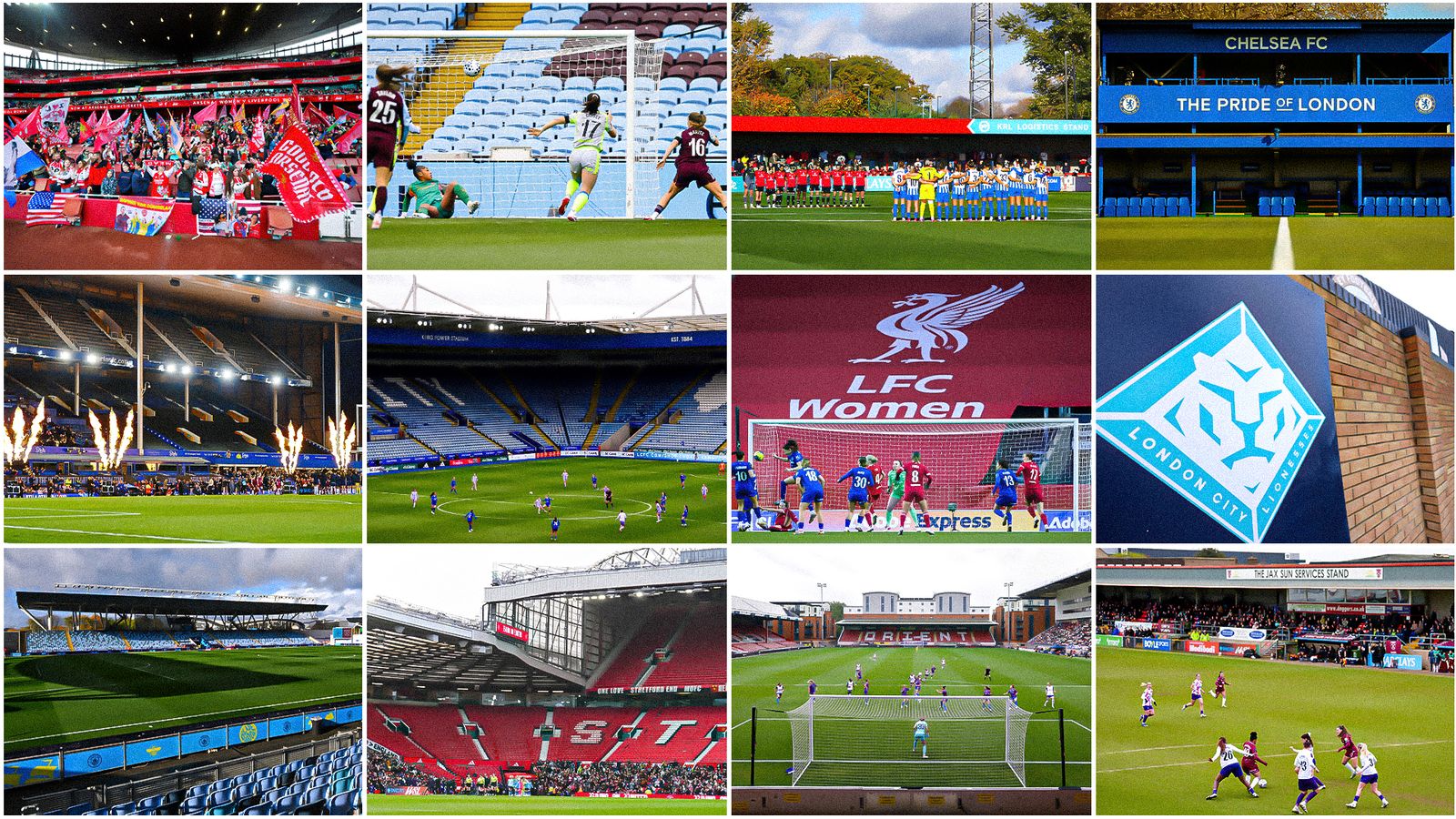
Nortman's critique hits at the core problem of the WSL's current structure. The league is largely tethered to massive men's Premier League entities. For clubs like Arsenal and Chelsea, that relationship has resulted in heavy, sustained backing. Arsenal regularly sells out the Emirates for women's fixtures, treating the squad as a core pillar of the institution.
But drop down the table, and the "afterthought" label rings entirely true. Too many clubs operate their women's teams out of obligation rather than ambition. They play in decaying non-league stadiums with capacities under 3,000. Their marketing budgets are virtually non-existent, often just a few obligatory social media posts crammed between updates about the men's under-21 squad.
When the men's team faces a relegation battle or financial fair play pressures, the women's budget is usually the first casualty. Nortman and the Monarch Collective see this negligence not just as a failure of sporting duty, but as a massive market inefficiency waiting to be exploited.
The Mechanics of Neglect
When Nortman calls these clubs an afterthought, we need to look at what that actually means on the ground. It is not just about the size of the wage bill. It is about the daily infrastructure that dictates performance and recovery. It is about shared medical staffs where the men's under-18 squad gets priority over senior women's internationals for basic treatment.
It manifests in the transfer market, too. Neglected clubs rely entirely on free transfers and loan deals to survive. They cannot scout globally because they do not have a dedicated scouting department for the women's side. They sign players based on agent recommendations rather than data-driven recruitment strategies.
This creates a tactical ceiling. Managers are forced to play survival football, setting up in rigid low blocks because they lack the technical quality to dominate possession. It creates a dreadful product on the pitch, which in turn justifies the owners' refusal to invest in marketing. It is a self-fulfilling prophecy of mediocrity, and it is exactly what Monarch Collective believes they can disrupt.
The Angel City Blueprint
To understand what Monarch Collective wants to do in England, you have to look at what Nortman built in Los Angeles. Angel City FC bypassed the traditional, slow-growth model of women's football. They leveraged high-profile ownership, aggressive localized marketing, and a standalone brand identity to generate massive commercial success.
They proved that a women's team does not need a hundred-year-old men's club subsidizing its existence to be profitable. They built a media and merchandise juggernaut from scratch. Now, the Monarch Collective, a fund explicitly dedicated to women's sports, wants to export that aggressive capitalism to the WSL.
The pitch is obvious. Buy an undervalued, neglected WSL team. Sever the reliance on the men's side. Inject direct, dedicated capital into marketing, facilities, and player wages. Transform a neglected asset into a standalone entertainment brand.
The Danger of the Franchise Mindset
This is where the skepticism has to kick in. The American franchise model is notoriously bad at understanding the cultural fabric of English football. Treating a football club purely as an entertainment asset or a piece of intellectual property usually ends in disaster when the local fanbase feels alienated.
If Monarch Collective buys into a club with a hundred years of history, they cannot just slap a celebrity board of directors on it and expect the matchgoing fans to bow down. There is a very real risk that in attempting to modernize an afterthought club, they strip away the community ties that kept it alive during the lean years.
The NWSL is a closed-shop franchise system. The WSL has promotion, relegation, and a cutthroat pyramid. You cannot just market your way out of a relegation battle on a rainy night in January. If the American investors fail to respect the sporting jeopardy inherent in the English game, their money will burn incredibly fast.
Transfer Market Ramifications
If a group like Monarch Collective successfully purchases and capitalizes a mid-tier WSL club, the transfer market will experience an immediate shock. Right now, the flow of talent is entirely predictable. The top clubs hoard the elite players, and the rest fight over the scraps.
An American-backed disruptor would change that dynamic overnight. They wouldn't just compete for domestic talent; they would leverage their NWSL connections to bring top-tier American collegiate and professional players across the Atlantic. We could see a scenario where a mid-table English side suddenly starts outbidding regular contenders for international signatures.
This is where the current establishment should be terrified. The established elite have relied on a relatively closed market where their financial dominance was unchallenged. If an external entity injects a massive operating budget into a team that previously survived on free transfers, the wage structure of the entire league will fracture.
Agents are undoubtedly monitoring these developments closely. Any player entering the final year of their contract next season will be advised to delay signing an extension. The potential arrival of new, aggressive American money means the going rate for a top-half WSL starter is about to increase dramatically.
Finding the Right Target
So, who fits the profile? Monarch Collective isn't going to buy Arsenal Women. They are looking for high-ceiling, low-floor operations. They need a club residing in a major media market, ideally London or the North West, with a recognizable badge but an ownership group clearly disinterested in funding a title challenge.
A club bouncing between the bottom half of the WSL and the top of the Championship is the most logical target. It offers a cheap entry point and massive upside if a cash injection secures regular top-flight stability. The valuation gap between a mid-table WSL side and a mid-table NWSL side is currently massive, and that arbitrage is exactly what private equity funds look for.
Probability Assessment
Probability: Medium
Are we going to see a confirmed takeover announcement next week? No. This is the groundwork phase. Investment funds leak these types of quotes to test the waters, signal their intent to potential sellers, and gauge the reaction of the market.
However, the probability of an American investment group acquiring a controlling or significant minority stake in a WSL club within the next eighteen months is extremely high. The financial stagnation of the middle tier of the league makes it inevitable. Owners who are tired of losing money on their women's teams will gladly take the exit ramp if Monarch Collective offers a decent price.
Expected Timeline and Impact
Do not expect any finalized deals before the current season concludes. The summer of 2026 will be the primary scouting and negotiation window. We are likely looking at the start of the 2026/27 season as the earliest possible entry point for a group like Monarch.
If the deal goes through, the immediate impact will be localized inflation. A new, heavily funded player in the market will drive up transfer fees and wage demands across the league. It will force the hand of the complacent owners Nortman criticized. They will either have to match the new spending power or sell up. The days of treating a top-flight women's team as a cheap PR exercise are rapidly coming to an end.