The manager's cold calculation
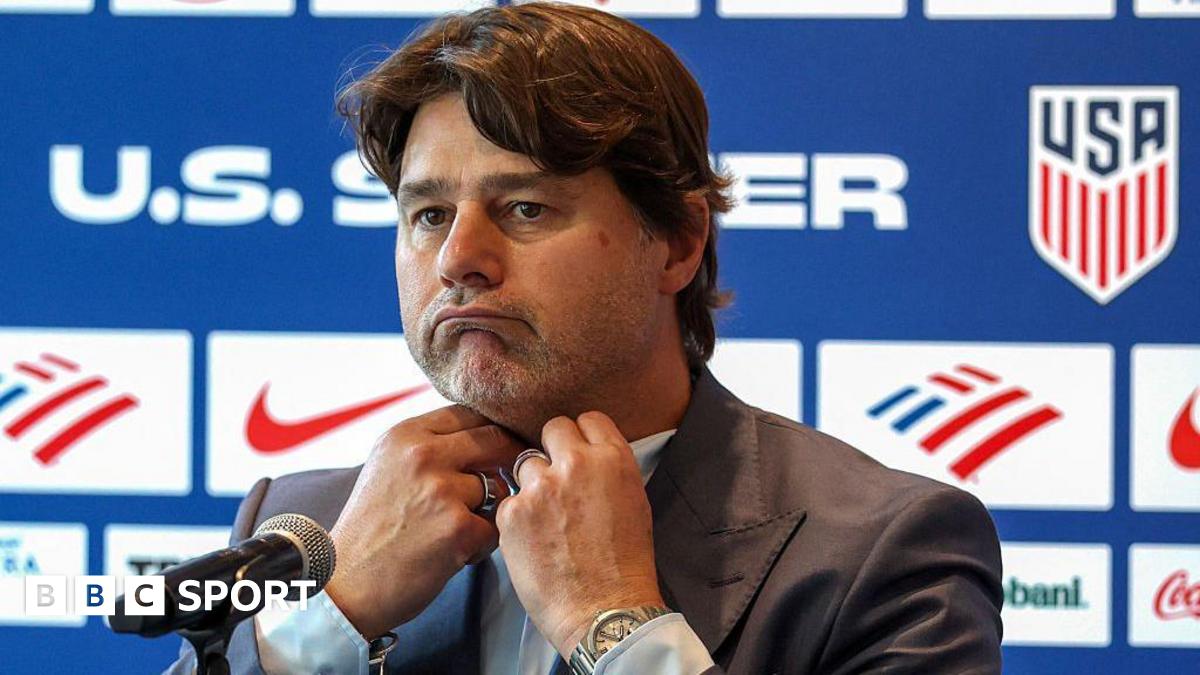
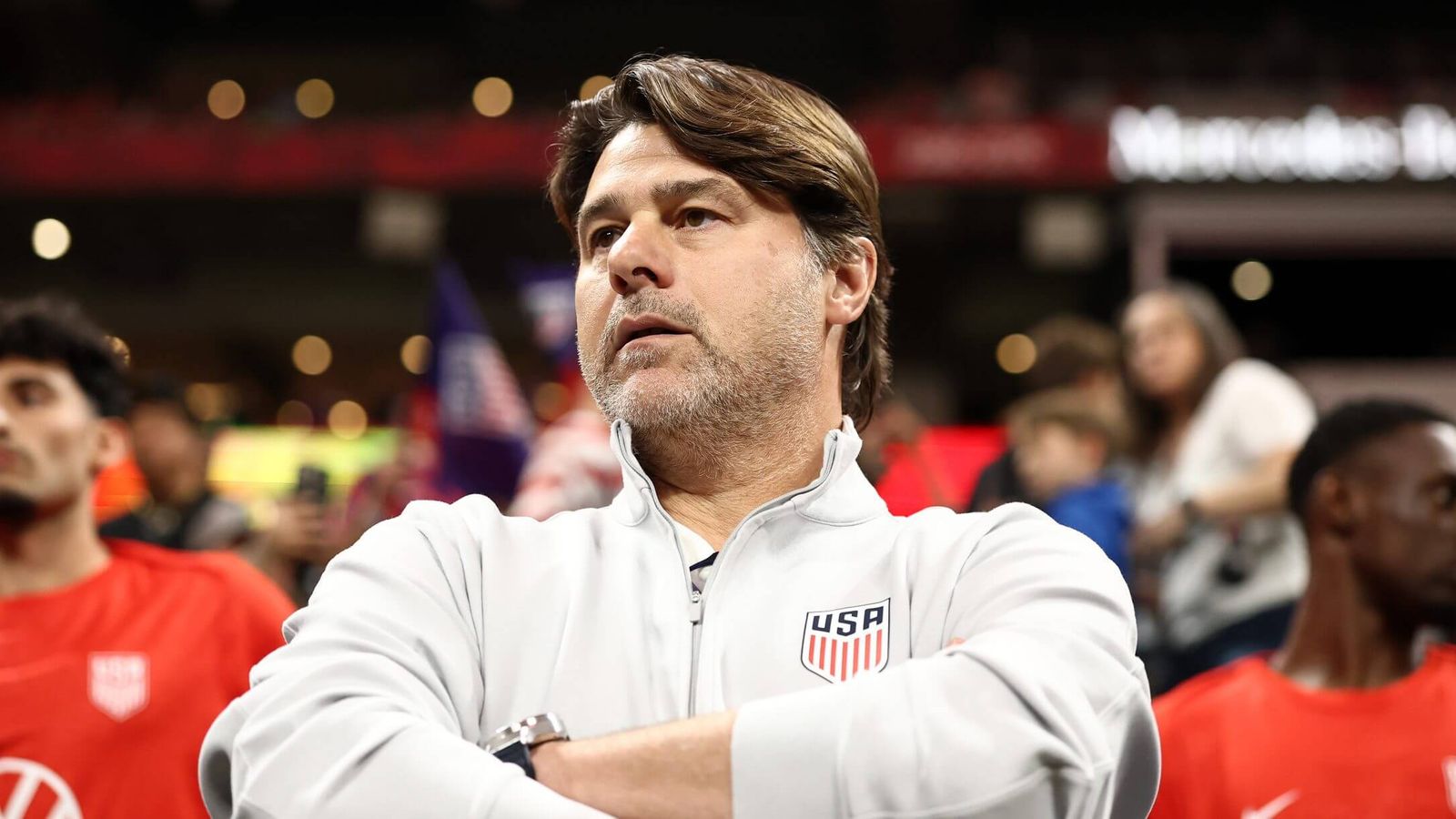
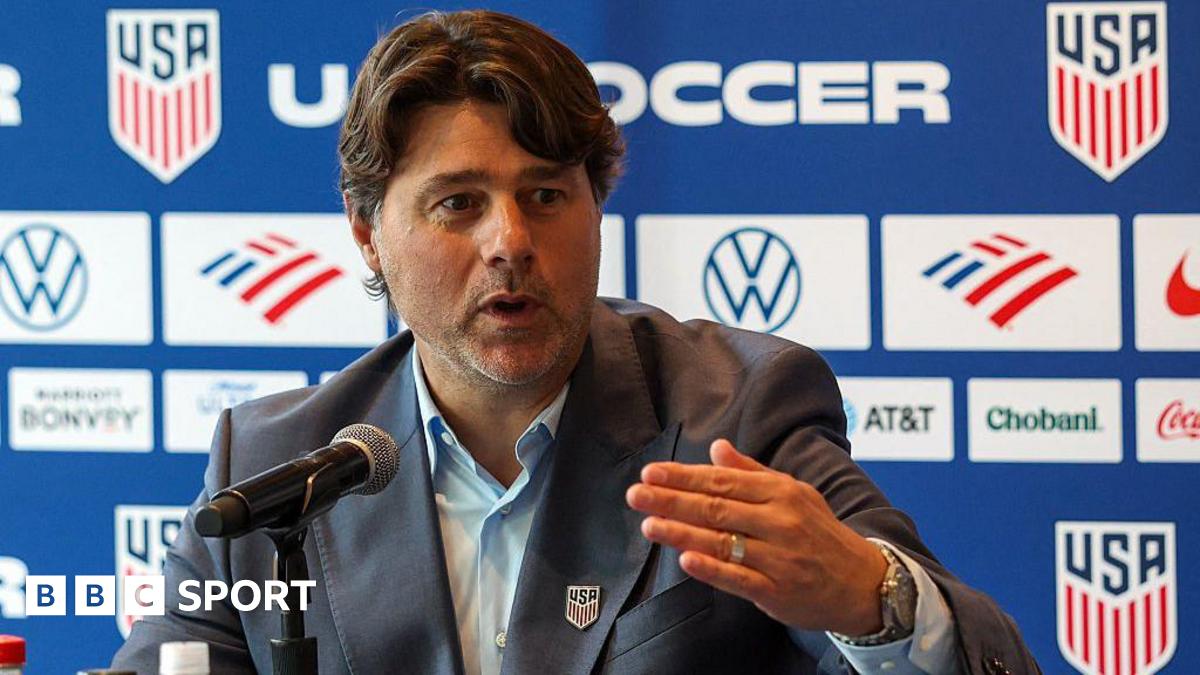
Mauricio Pochettino enters his first major tournament cycle in charge of the United States with a reputation for high-intensity pressing and unforgiving selection standards. The recent fallout regarding his communication style—or the lack thereof—with axed squad players has dominated the discourse, but the tactical reality on the pitch remains the primary concern. Critics argue that a coach must build a locker room culture that survives the selection process. Pochettino, however, views these roster omissions as standard professional maintenance, opting to focus on the 26 men currently in camp rather than the ones left behind.
As reported by the BBC, the manager expects his players to accept the professional reality of international football. His refusal to coddle players might be seen as blunt, but Pochettino is prioritizing a lean, efficient group. He is betting that results will render these interpersonal tensions irrelevant by the time the opening whistle blows in June.
Tactical rigidity vs. positional flow
Pochettino’s obsession with high-line defense and inverted fullbacks is well-documented from his time at Tottenham and Chelsea. The USMNT often lacks the technical fluidity required to execute these sequences against elite pressing traps. In training, we are seeing a shift toward a 4-2-3-1 that relies heavily on quick transitions from the defensive third into the half-spaces.
The defensive shape remains the biggest question mark. If the high press is bypassed, the center-back pairing is frequently left in 1v1 situations with insufficient cover from the holding midfielders. Against organized international squads, this leads to high xG conceded figures that the team struggles to overcome. Discipline in the 15th minute and the 60th minute transitions will determine whether this defensive structure succeeds or crumbles under pressure.
The weight of expectation
There is a glaring flaw in the current domestic optimism. The drop-off in output between the starting XI and the bench is significant. If Pochettino’s designated engine room gets stifled, his options off the bench are not proven international game-changers. He is essentially banking on his preferred core remaining fit throughout the tournament.
What to watch for
- Look for the distance between the two holding midfielders during opposition goal kicks. If they drift too wide, the team loses its compact verticality.
- Observe the fullbacks. Are they holding the touchline to stretch the defense or tucking into central channels to overload the opposition pivot?
- Pressing intensity. Pochettino’s teams rely on suffocating the ball carrier. If the pressure doesn't force a turnover within three seconds, watch how quickly they drop into a low block.
The manager is not interested in being liked. He is interested in winning matches through tactical dominance and squad ruthlessness. If he can bridge the communication gap with his locker room, the team might actually survive the group stage. If the resentment grows, his tenure will be short-lived regardless of the technical prowess on the pitch.
Prediction: The squad will struggle to find a clean sheet in their opening two matches, relying on their individual attacking flare to secure a 2-1 win in their first outing. The defensive fragility will continue to be a talking point all summer.
Read Next
- Pochettino's USMNT roster choices are a calculated gamble
- Top 10: Top Moments of the 2025/26 Season
- Pochettino's email-based squad cuts spark USMNT locker room frustration
- Pochettino's USMNT squad faces a statistical reality check
- 🏆 World Cup 2026 — Full Coverage Hub
- 🇺🇸 USMNT World Cup 2026 — Team USA Coverage Hub
- ⚽ MLS 2026 Season Hub — World Cup Year Guide