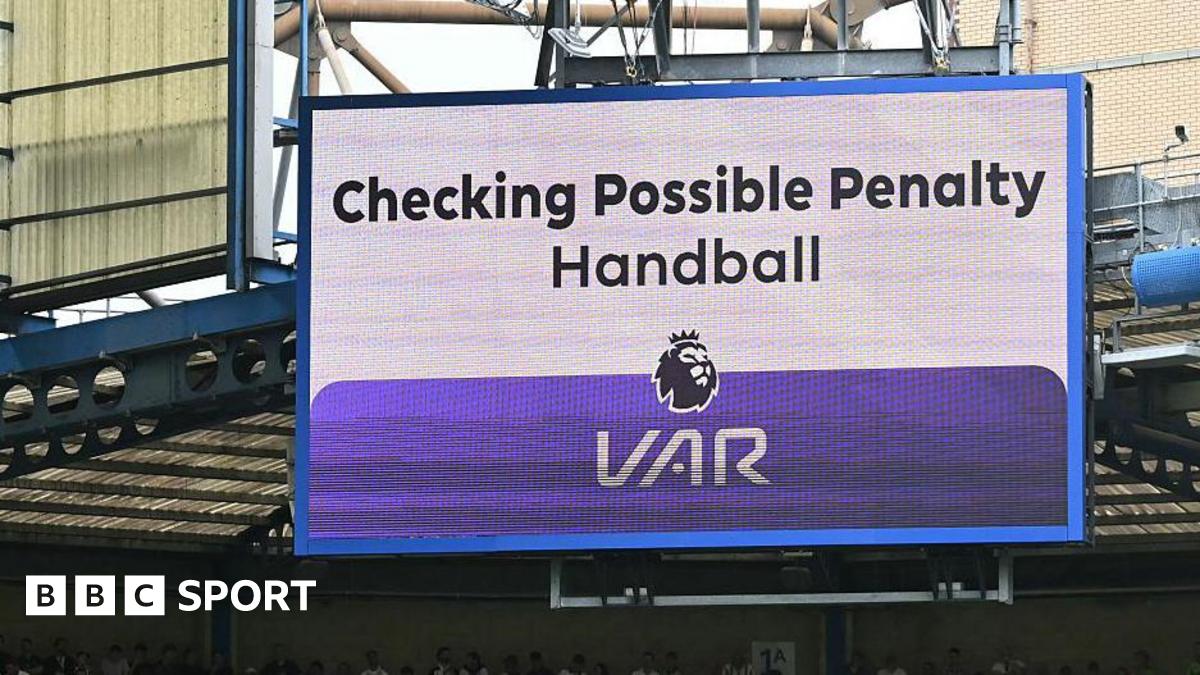
The threshold of systemic inefficiency
The latest report from the Key Match Incidents panel confirms three additional video assistant referee errors, pushing the total tally for this Premier League campaign to 23. This figure is not merely a statistical anomaly—it represents a measurable breakdown in officiating consistency. When the system averages nearly one high-profile intervention failure every 1.5 matchdays, the premise of technological intervention as a guarantor of fairness loses its empirical weight.
Breaking down the 23-error threshold
Analysis of these incidents reveals a split between interpretation and technical procedure. Of the 23 acknowledged mistakes, 14 were linked to subjective penalty area decisions, while 9 involved factual errors regarding offside lines or goal-line technology usage. This distribution suggests that the current protocols fail most frequently when referees are forced to recalibrate their viewing angle for human-led interpretations of contact.
Compared to the previous cycle, the frequency of these errors is trending upward. If we isolate the data from the first half of the season versus the latter, the error rate increased by 22%. While the Premier League's Key Match Incidents panel continues to audit these moments, the repetitive nature of these failures indicates a training gap rather than a technical one.
The impact on match result volatility
Statistical output suggests that these 23 errors have altered the final match outcome—either by creating a net change in points or by incorrectly overturning a legitimate goal—in roughly 60% of cases. When a single decision carries the weight of a three-point swing in a table as tight as this one, the technical margin for error effectively vanishes. The current implementation of VAR is failing to provide the intended safety net.
Where the refereeing process hits a wall
A critical observation within these incidents is the duration of check times. Games with acknowledged failures averaged 3 minutes and 42 seconds of total VAR interruption, significantly higher than the league average of 2 minutes and 15 seconds. This correlation between increased review time and higher failure rates implies that the longer an official dwells on a moment, the more likely they are to over-analyze a clear-cut incident, leading to a decision that contradicts the primary view.
Beyond the technical failure, there is a visible fatigue factor for players on the pitch. Long, stalled restarts directly impede the intensity of the pressing game, particularly for sides that rely on high-tempo transition play. The game is becoming less about the spectacle on the pitch and more about the anxiety of what might be retroactively erased by a monitor review.
Reframing the mandate
The league cannot continue to frame these as isolated incidents if the total hits 23. This is not a series of unfortunate events—it is a flawed output from a system that lacks an objective baseline for "clear and obvious errors." Until the threshold for intervention is strictly codified with reduced human discretion, the volume of these mistakes will likely persist into next season.
We are watching a shift where the fear of making a mistake leads to more intense oversight, which in turn breeds more mistakes. Unless the governance structure changes to favor fluid match rhythm over obsessive micro-analysis, the VAR room will remain the most contentious area of the stadium. Accuracy requires context, and at this rate, the technology is stripping the context away to find technicalities that few fans or players actually requested.