VAR is killing football's greatest drug and fans are finally done
The death of the instant eruption
The Football Supporters' Association just dropped a massive anvil on the Premier League's desk. According to their latest survey, a staggering 75% of fans now actively oppose VAR. The message is entirely unambiguous. The technology has ruined the most fundamental joy of the sport.
As the BBC reported this week, the core grievance is singular but devastating. Fans believe the system is actively destroying goal celebrations. It hasn't improved football since its introduction. It has just sterilized the chaos.
This isn't a fringe complaint from match-going traditionalists anymore. It is a supermajority. We are staring down the barrel of the April run-in. We are exactly nine days away from the UCL Quarter-Finals, and the product is fundamentally compromised.
The anatomy of a goal
Think about what a goal actually is. It is an involuntary physical reaction. A sudden release of tension that has been building for 80 minutes. You don't think about celebrating, you just do it. Your brain dumps dopamine and adrenaline simultaneously.
VAR inserts a loading screen into that biological process. The ball hits the net. You jump up. And then you immediately look at the referee.
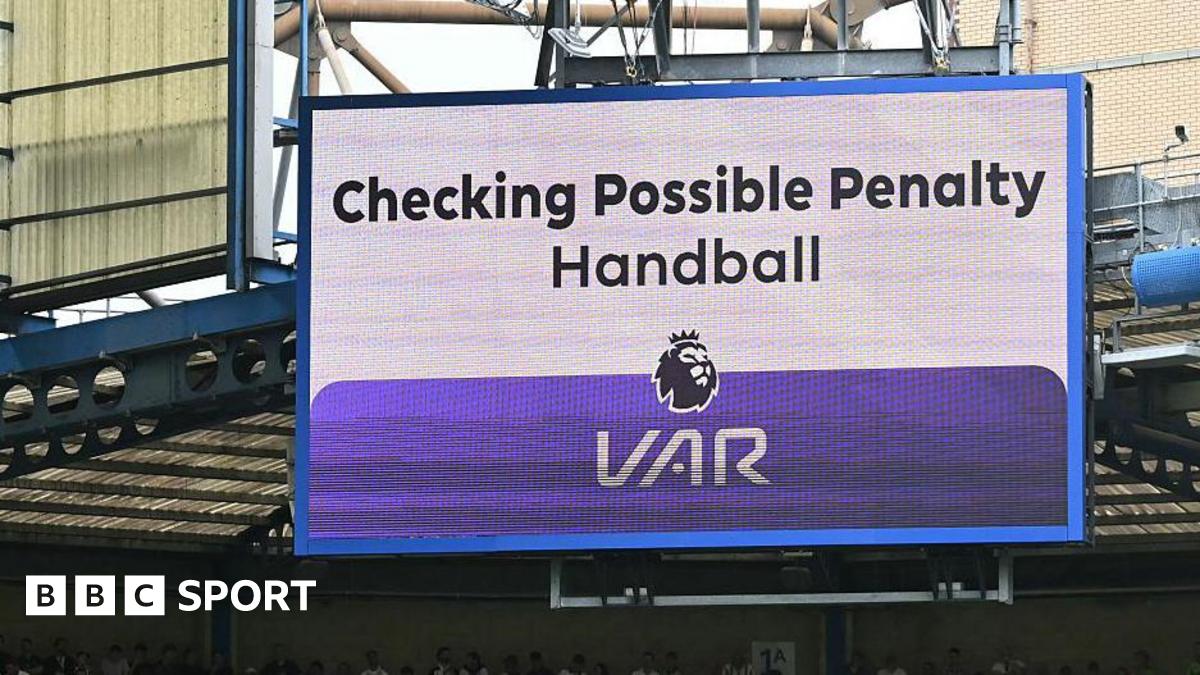
You check for the finger to the ear. You wait for the dreaded purple screen on the stadium displays. The pure, unadulterated joy is immediately replaced by bureaucratic anxiety. You cannot celebrate twice. By the time the check clears three minutes later, the moment is dead. You are just relieved, which is a completely different emotion.
The false promise of justice
We were sold a very specific bill of goods when this was rolled out. The phrase was "minimum interference, maximum benefit." The reality has been the exact inverse. We get maximum interference for highly debatable, subjective benefits.
We are drawing microscopic lines on armpits to determine offsides. We are re-refereeing physical contact in slow motion, which makes every brush look like a felony assault. The system was designed to catch blatant cheating. Instead, it catches a striker's toe offside in the build-up to a 30-yard screamer.
The pursuit of absolute clinical perfection is destroying the entertainment value of an entertainment product. It is a classic case of engineers trying to solve an emotional event with a calculator. Football is not a math equation. It is a contact sport played on grass.
High-profile disasters
We have had years to get this right, and the catastrophic errors still happen. The communication breakdowns at Stockley Park are legendary at this point.
Everyone remembers the Luis Diaz offside debacle at Tottenham. "Good process." Two words that completely destroyed any lingering faith in the competence of the officials operating the system. They drew the lines, realized they made a mistake, and then decided the rules prevented them from fixing it.
When Howard Webb took over the PGMOL, the mandate was transparency. We got the televised audio releases. The intent was admirable. Let fans hear the process.
But transparency without competence is just broadcasting your own failures. Hearing the audio of the Diaz offside error didn't make anyone feel better. It just confirmed every paranoid suspicion fans had about the chaotic, amateurish communication happening behind the scenes. Men shouting to delay the game while the referee ignores them and restarts play. It was pure farce.
The stadium vs broadcast divide
The TV viewer gets a completely different experience. If you are watching on a sofa, VAR is just another piece of content. You get the replays, the studio analysis, the commentators debating the lines. It fills the dead air.
For the fan who paid £150 on train tickets to sit in the freezing rain at Goodison Park, it is sensory deprivation. You stand there in total ignorance. The PA system offers no explanation. You are completely alienated from the game you paid to watch live.
This is the ultimate betrayal of the match-going fan. Match-going fans are the visual backdrop for the global broadcast. The Premier League sells its television rights for billions of pounds primarily because the English stadiums are full, loud, and passionate. The atmosphere is the product.
When VAR forces a three-minute silence, it kills the atmosphere. It turns a raucous end-of-season six-pointer into a tense waiting room. The Premier League is actively degrading the very atmospheric product they are selling to foreign broadcasters.
A flawed survey
Here is the problem with the FSA's findings, though. Pointing out the house is on fire is easy. Handing over a blueprint for a fire extinguisher is much harder.
The survey highlights the overwhelming opposition, but it completely fails to offer a viable alternative. Do we just turn the monitors off tomorrow? Do we accept that a team might get relegated because a referee missed a blatant two-handed punch off the goal line?
The FSA is doing its job by voicing fan anger, but simply yelling "scrap it" isn't a serious policy position in modern elite sports. There is far too much money on the line for the Premier League to just accept human error. Relegation costs hundreds of millions of pounds. Managers lose their jobs over missed offside calls.
We cannot put the genie back in the bottle. The technology exists. The demand for fairness exists. The survey completely ignores this reality, acting as if we can just magically rewind to 2015.
The semi-automated band-aid
The Premier League's introduction of semi-automated offsides was supposed to fix the delay. In theory, the cameras track the skeleton, the software does the math, and the decision is instant.
It is certainly better than a referee manually clicking pixels on a blurry broadcast feed. But it doesn't solve the core issue of subjective decisions. Semi-automated offsides only handle the binary questions. Is he offside? Yes or no.
It does absolutely nothing for the late-game penalty shout. It does nothing for the tactical foul that might have been a red card. The subjective calls are where the system bogs down, and no amount of skeletal tracking will fix a referee's interpretation of "clear and obvious."
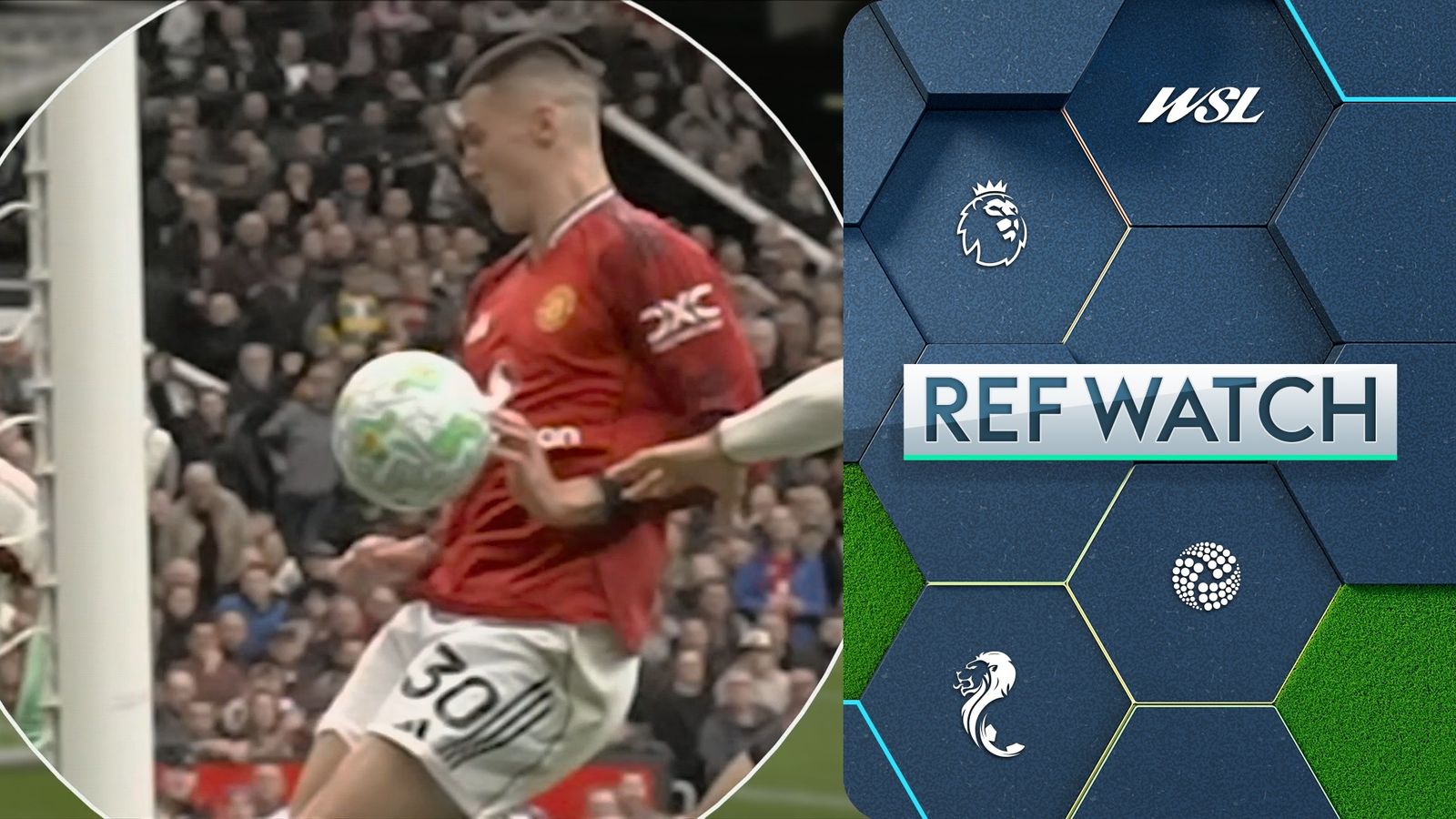
Then you have the subjective nightmare of the handball rule. The IFAB has tweaked the wording so many times that nobody on the pitch actually knows what a handball is anymore. Is the arm in a natural position? Is it making the body unnaturally bigger? Proximity, speed, intent.
VAR forces referees to analyze these split-second, instinctual movements in super slow-motion. A ball blasted from two yards away hitting an arm looks completely different at fractional speed. It looks deliberate. It looks like a penalty. In real time, it is just physics. The human body cannot dissolve into mist to avoid a fast-moving object.
The tactical paralysis
The existence of VAR has entirely altered how defenders behave in their own penalty area. You watch center-backs defend crosses now, and they look like they are participating in a drill with their hands tied behind their backs. They tuck their arms firmly behind their torsos, contorting their balance just to ensure a stray clearance doesn't graze a bicep.
This unnatural defending actually creates more mistakes. By forcing players to run and jump without using their arms for leverage, you degrade the quality of defending. Attackers know this. Smart wingers aren't always aiming for a teammate's head anymore. Sometimes, they are just aiming for the chaotic cluster of bodies, hoping for a cheap ricochet off an elbow.
Strikers have adapted as well. You see it constantly. A forward feels minimal contact in the box, goes down, and immediately draws a television screen in the air with their fingers. They are playing the referee, but more importantly, they are playing the man in the booth. They know that if they can just get the on-field official to point to the spot, VAR is highly unlikely to overturn a subjective call.
The "clear and obvious" threshold has created a bizarre secondary game. Referees on the pitch abdicate responsibility, assuming VAR will save them if they make a massive error. But VAR refuses to intervene unless the error is glaring. The result is a massive grey area where average, soft decisions are allowed to stand simply because nobody wants to overrule their colleague.
It is a coward's charter. Nobody takes ownership. The on-field referee points to the earpiece. The VAR points to the "clear and obvious" protocol. And the fans in the stands just point to the exit.
The looming global impact
We are now just 74 days away from the start of the 2026 FIFA World Cup. This is going to be the biggest broadcast event in human history. 48 teams. An expanded format. Massive stadiums across North America.
FIFA generally handles VAR better than the English leagues. Their referees are trained differently, and they rely heavily on automated systems. But the fundamental tension remains.
Imagine a quarter-final at MetLife Stadium. A last-minute winner. The eruption of 80,000 people. Followed by three minutes of standing around while a referee in a bunker in Atlanta decides if a midfielder committed a foul in the build-up. The stakes are simply too high for this level of anticlimax.
Where do we go from here
Football is a game of flow. It is continuous, unscripted drama. American sports are built around stoppages, which is why replay review fits so naturally into the NFL or NBA. They have natural breaks for commercials and tactical resets.
Football doesn't have that. The clock never stops. The players are in constant motion. When you insert a hard stop into a continuous flow, it jolts the brain. It feels deeply unnatural.
If a massive majority of your customer base actively hates your core product update, you roll it back. That is basic business logic. But the Premier League is paralyzed. They are terrified of the backlash of a wrong decision without VAR, and they are willfully ignoring the backlash of correct decisions taking too long.
There has to be a middle ground. A time limit on checks. A coaches' challenge system like in tennis or cricket. Put the onus on the managers to risk a timeout to review a call. If they are wrong, they lose a substitution.
"Fans believe VAR is ruining goal celebrations and has not improved football since its introduction."
That is the brutal reality staring the authorities in the face. Make the system strategic. Make it finite. Right now, it is an open-ended investigation into every minor detail of the game. We have traded the raw, visceral emotion of a goal for a slightly higher percentage of correct decisions.
Was the trade worth it? The fans have spoken, and the answer is a resounding no. The product is not the absolute enforcement of the rulebook. The product is the emotion. If you kill the emotion, you kill the game.
It is late March 2026. The season is hitting its crescendo. The title race is tight. We should be talking about the football. Instead, we are still talking about the screens. That alone tells you everything you need to know about the total failure of this experiment.
Nike Premier League Pitch Soccer Ball
A highly visible, durable training ball for everyday play.
Frequently Asked Questions
What percentage of football fans oppose VAR?
Why do fans hate the VAR system so much?
What was the original promise of VAR?
What was the Luis Diaz offside debacle?
How did Howard Webb try to improve VAR transparency?
More Coverage

Raheem Sterling's arrest is a disaster for his career timeline
3 hours ago
Kieran Trippier is the exact veteran Wolves need right now
3 hours ago
Adam Wharton emerges as top summer target for Arsenal's midfield evolution
3 hours ago
Manchester United’s Summer Obsession: Why Inconsistency Defines the Strategy
3 hours ago
Liverpool chasing Yan Diomande in high-stakes €150m transfer scramble
3 hours agoArsenal’s European ambition check is about eighty games overdue
5 hours agoMore Analysis
VAR is slowly killing the joy of Premier League football
2 months ago91 percent of football fans want VAR binned and they are absolutely right
2 months ago
91 percent of fans want VAR thrown in the bin
2 months ago
Football is addicted to VAR outrage and it's never going away
2 weeks, 1 day ago
VAR is about to ruin the biggest week of the Champions League
2 months ago