The 0% consistency problem in European football
When FIFA published their roster of 170 officials for the upcoming 2026 World Cup last week, they inadvertently highlighted a reality that every Premier League manager already knows: the standard of refereeing is nowhere near the standard of the game. The omission of Scottish referees from that list serves as a grim marker of how credibility is crumbling.
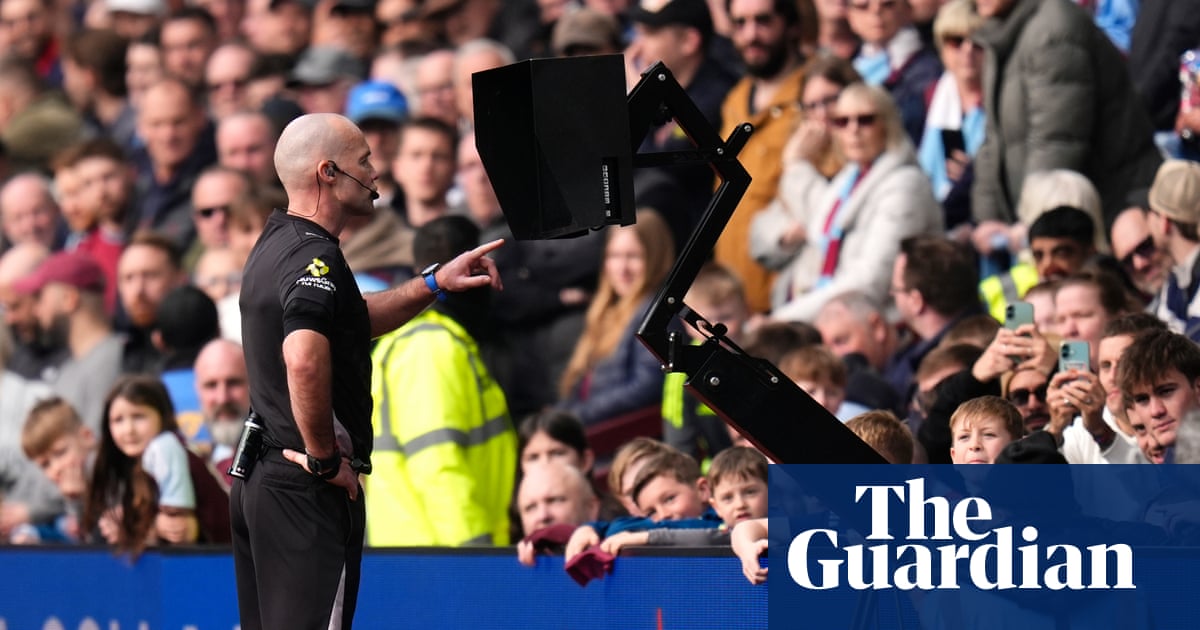
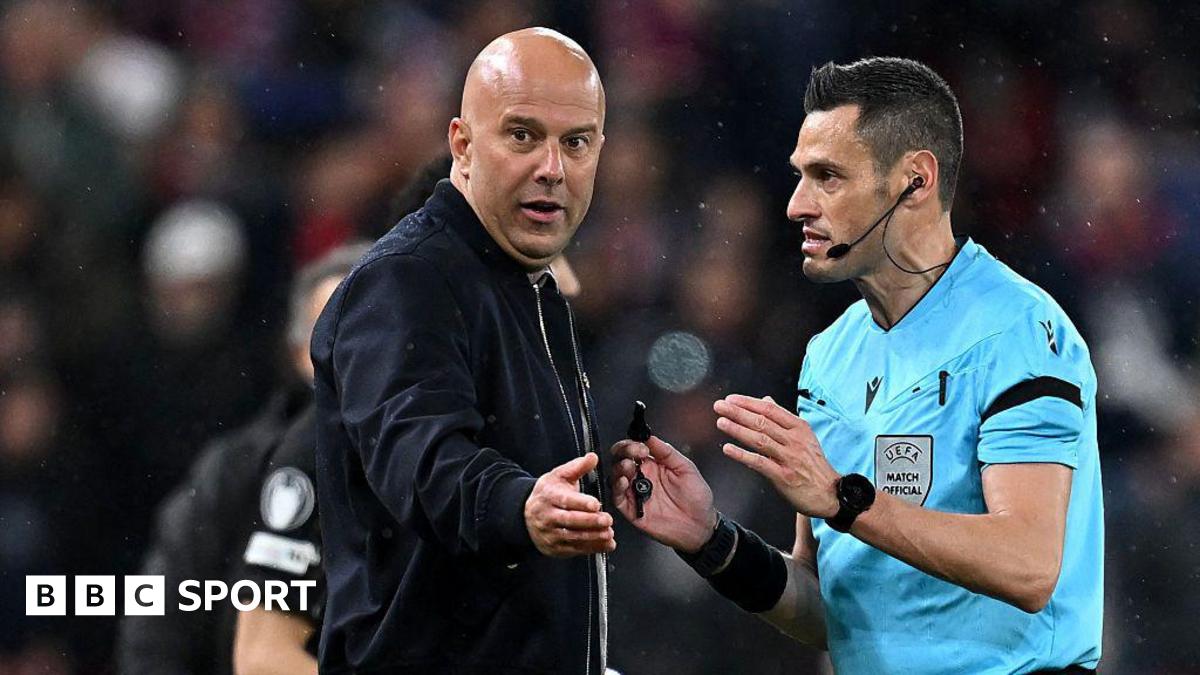
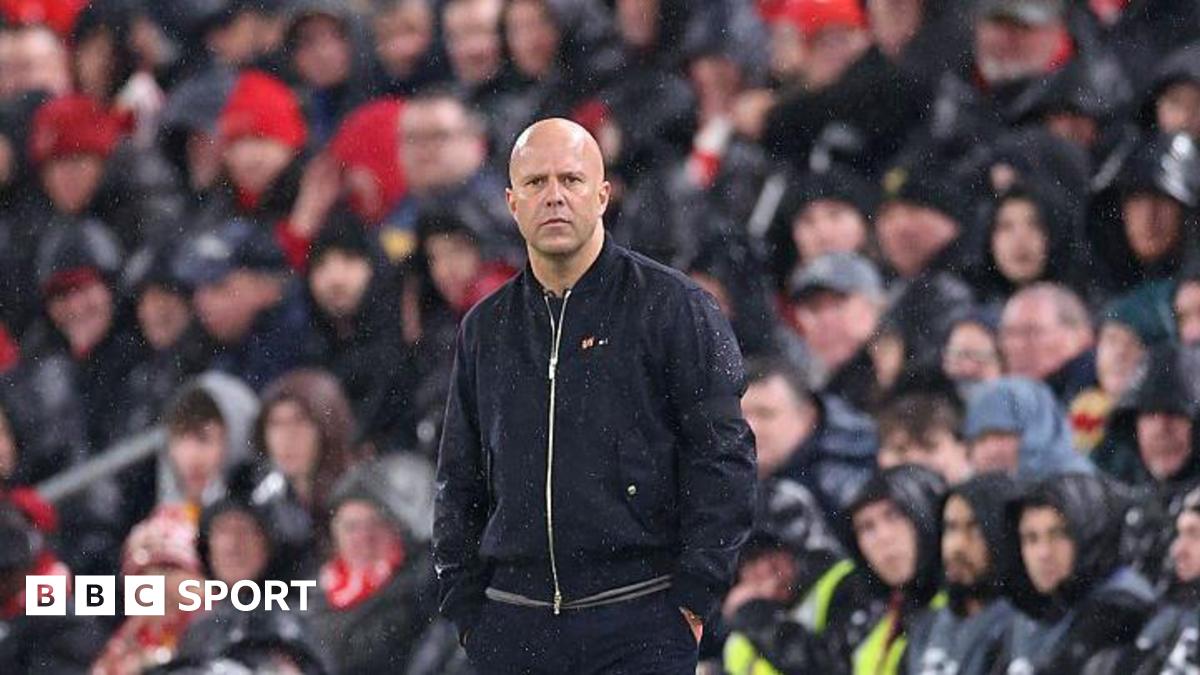
Liverpool's Champions League exit to Paris Saint-Germain was the latest exhibition of this procedural failure. The VAR intervention that overturned a penalty for Alexis Mac Allister against PSG didn't just frustrate Arne Slot; it crystallized the confusion surrounding the definition of a clear and obvious error.
Statistically speaking, justice is a coin toss
VAR usage remains a massive outlier in modern football. While the tech promised surgical precision, it has instead delivered subjective interference. In the Liverpool vs. PSG fixture alone, the initial penalty call would have provided parity in a high-stakes moment. Removing that opportunity changed the tactical complexion of the entire match, ultimately allowing Ousmane Dembele to exploit a desperate Liverpool setup for a decisive double.
Consider the broader context: FIFA's selection process for the 170-member officiating team for the 2026 World Cup emphasizes strict adherence to protocols, yet frustration among players and managers is at an all-time high. Reports from Anfield suggest the refereeing team struggled with standard procedural benchmarks, leading to a decision that will be debated long after the final whistle.
When the system fails the eye test
The aftermath of the Liverpool exit focused on Ibrahima Konate’s post-match analysis, where Wayne Rooney noted a lack of leadership in the response. But fixing player morale is impossible when the rules of the game shift in real time. We are seeing a 100% disconnect between the VAR cabin and the pitch, where officials are so afraid of a mistake that they create a larger one by intervening in non-blatant moments.
This isn't an isolated incident. Look at Manchester United’s recent trajectory, where Michael Carrick made a tactical error in judgment during their loss to Leeds. The fury directed at referee Paul Tierney was a convenient shield for deeper managerial incompetence. When referees are the primary subject of post-match conversation, the sport has fundamentally lost its entertainment value.
The human cost of technical failure
The psychological toll on officials seems to be manifesting as a lack of confidence. If you cannot trust an official to hold a steady line in a high-pressure match, why are they overseeing matches that carry 100 million pound stakes? The lack of transparency in the audio of these decisions—or the delayed communication—only compounds the anger from the supporters.
If the 2026 World Cup is meant to showcase the pinnacle of the sport, the current trajectory is concerning. We are trading the fluidity of the game for a 5-minute delay while a monitor is checked, only for the same flawed human interpretation to prevail. As seen in the aftermath of the PSG result, fans and players alike are tired of the uncertainty. The game is faster than ever, but the decision-making process is anchored in 20th-century logic.
Read Next
- Hugo Ekitiké suffers serious Achilles injury in Liverpool Champions League exit
- Liverpool’s pursuit of Alexander Isak hits a wall after Anfield exit
- Hugo Ekitiké injury casts dark shadow over Liverpool's season exit
- Arne Slot's Champions League exit confirms a tactical regression at Anfield
- ⭐ UCL 2026 — Champions League Quarter-Finals Hub