The Goalkeeping Crisis
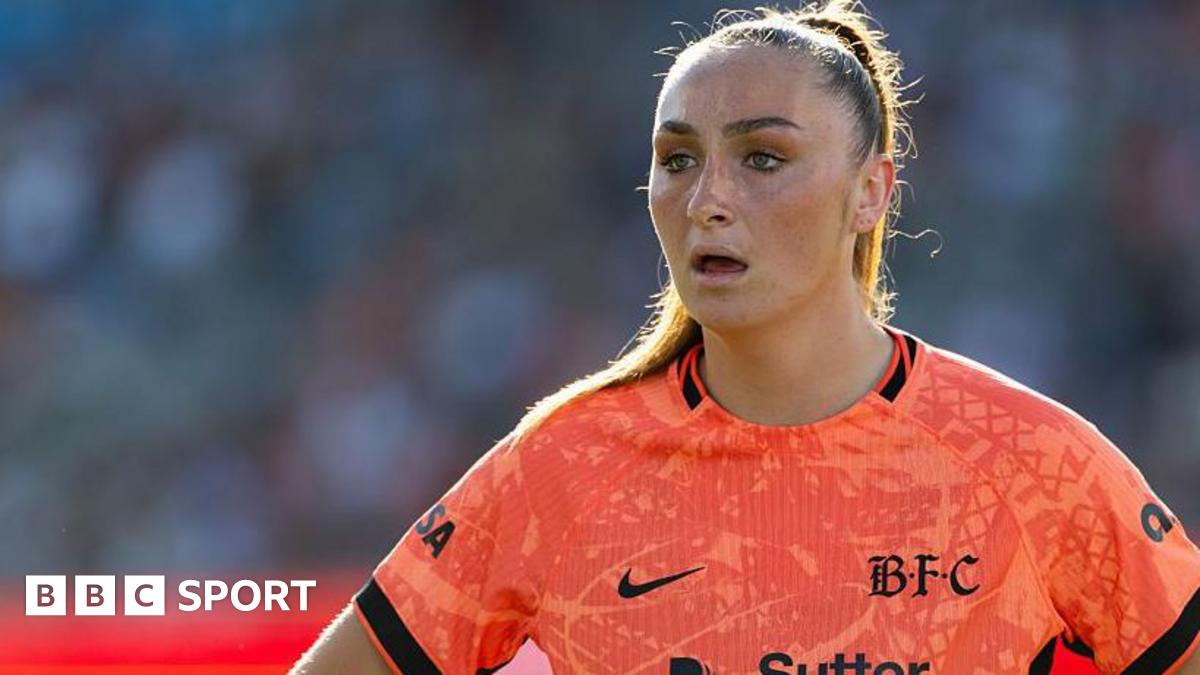
Olivia Clark has been excluded from the latest Wales international squad as she recovers from a current injury. The absence leaves a void in the goalkeeper rotation ahead of the upcoming World Cup qualifiers against Albania.
Managerial staff confirmed the roster change earlier today. Clark, a fixture in the national setup, is currently unable to participate in high-intensity training sessions. Her recovery remains the priority for the medical team as they manage the workload leading into the final stages of the qualifying window.
Tactical Rebalancing
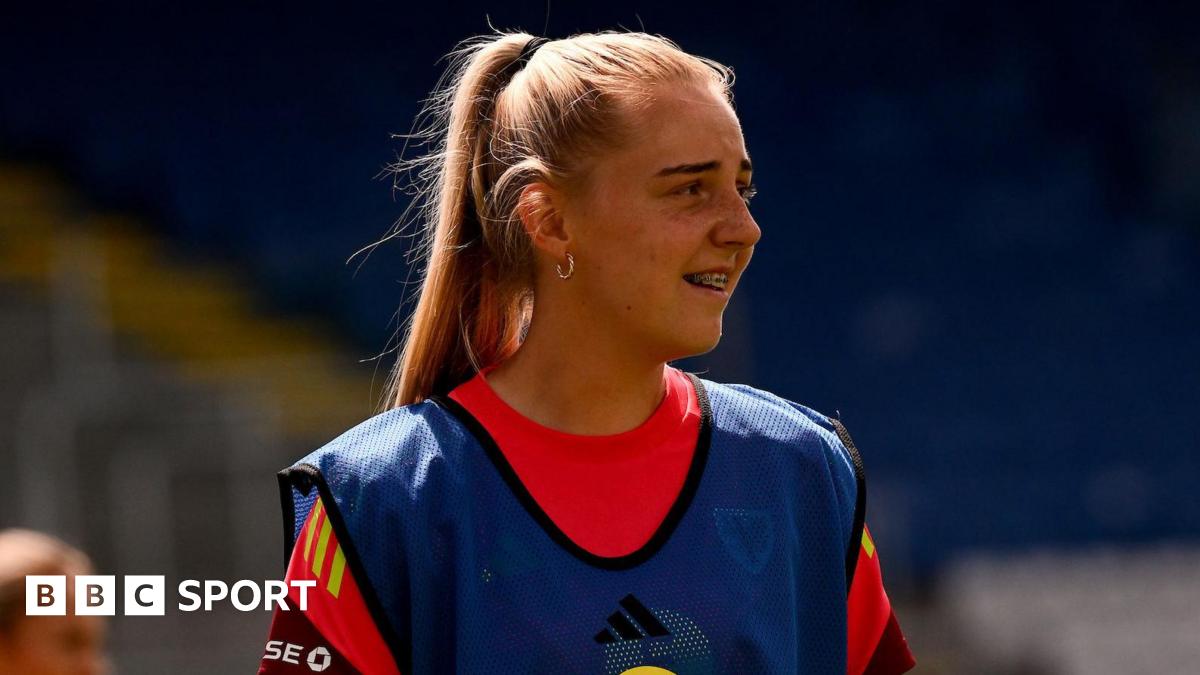
The return of Mayzee Davies provides necessary coverage, though the defensive unit will lack the experience of Clark between the sticks. This shift forces a change in the starting lineup dynamics for a match that carries weight for World Cup seeding. Relying on backup options against a side as aggressive as Albania is a risk the coaching staff would prefer to avoid.
Historically, the Welsh defensive unit has relied on continuity to handle the pressure in qualifiers. Sudden departures from the defensive spine have previously resulted in erratic positioning and defensive lapses. The team needs to adjust quickly to communication differences on the pitch.
The Broader Impact
Injury management for national team players remains a primary concern during congested fixtures. With the recent squad announcement showing limited rotation, the margin for error is razor thin. Developing younger goalkeepers in real-time under competitive conditions is a gamble that may backfire if they fail to replicate the composure Clark typically provides.
The failure to secure cover for this specific position reflects a recurring issue in depth planning. If the result against Albania slips away, the decision to leave the squad light in the goalkeeping department will face significant scrutiny. Performance analysts look for consistency; losing a first-choice keeper mid-cycle disrupts the tactical rhythm of the entire back line.
The current setup lacks the depth necessary to cover a long-term absence. Relying on one or two individuals for the bulk of competitive minutes is a short-term strategy that ignores the reality of modern football injuries. Without a robust alternative plan, the team is vulnerable to any further physical setbacks over the next few weeks.
Management must now decide who commands the net for this high-stakes encounter. There is no room for a slow start, as Albania is known for punishing early defensive hesitation. The upcoming matches will define whether the squad can handle individual absences without dropping valuable points.
Read Next
- Alyssa Thompson injury fallout as Chelsea crash out of WCL
- Chelsea’s Champions League collapse highlights growing officiating crisis
- Scotland are playing with fire before the World Cup
- Northern Ireland and Wales trade punches in a gritty 1-1 draw
- 🏆 World Cup 2026 — Full Coverage Hub
- 🏴 Wales at the 2026 World Cup — Full Coverage Hub