The Great Bosnian Bottling
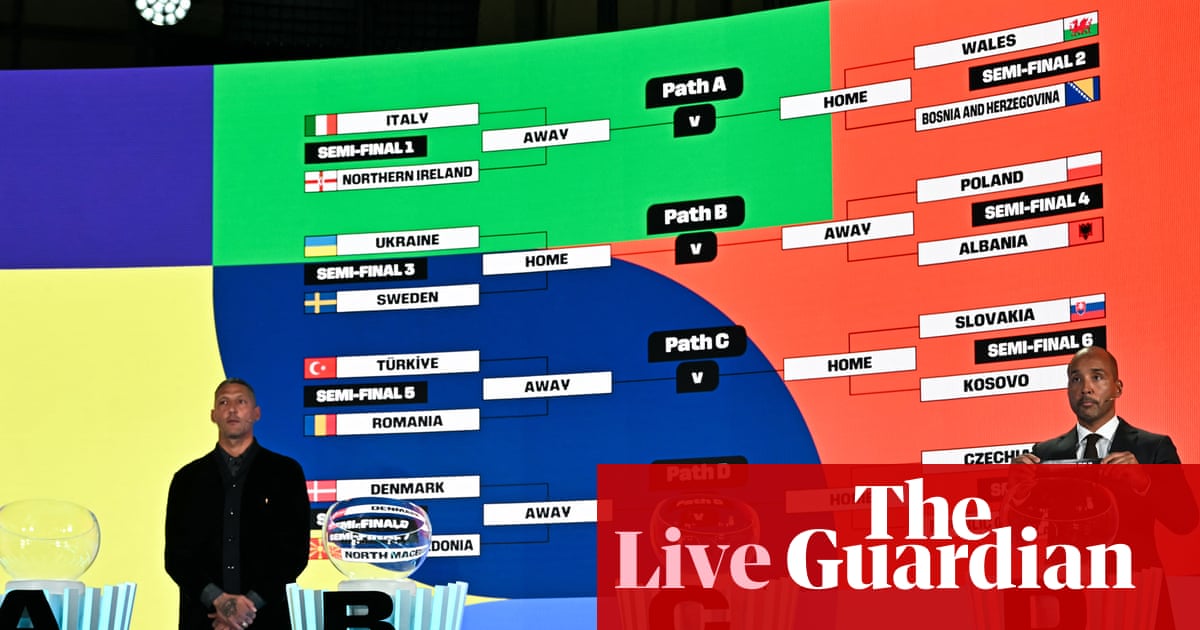
If you wanted to see a group of professional athletes collectively lose their minds in real-time, the Cardiff City Stadium was the place to be on Tuesday night. Wales didn't just lose a football match; they participated in a self-inflicted lobotomy on the world stage. The World Cup play-off semi-final against Bosnia-Herzegovina was supposed to be the moment Craig Bellamy’s 'new era' finally shed the skin of the Gareth Bale years. Instead, it was a 90-minute reminder that passion without a plan is just a very loud way to fail.
The atmosphere was electric, the Red Wall was screaming itself hoarse, and for about fifteen minutes, it felt like 2016 all over again. But then the 'chaos' Bellamy mentioned in the post-match autopsy started to seep in like a bad smell. It wasn't the kind of chaos that favors the underdog; it was the kind of structural collapse that makes you wonder if the players had met each other for the first time in the tunnel. Bosnia didn't need to be brilliant; they just had to wait for Wales to trip over their own shadows.
By the time the final whistle blew, the realization hit harder than a hangover in Wrexham. With the World Cup expanding to 48 teams, missing out feels less like a tragedy and more like an achievement in incompetence. This was the easiest path to the big dance in history, and Wales managed to find the only manhole cover on the street and fall directly into it. The dream of seeing Brennan Johnson and Harry Wilson tearing it up in New Jersey or Mexico City just went up in a cloud of very expensive smoke.
The Bellamy Experiment: High Voltage, Zero Current
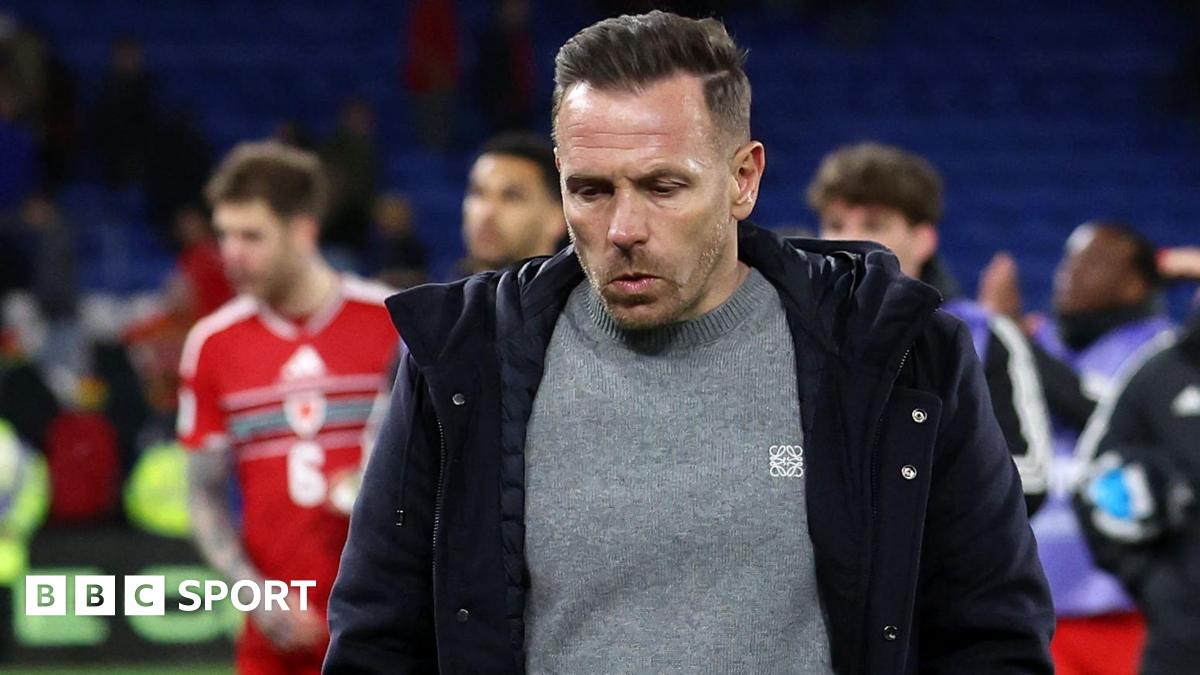
Craig Bellamy was hired because he’s Craig Bellamy. He’s intense, he’s scary, and he looks like he’d fight his own reflection for a loose ball. That’s great for a motivational speech, but as the BBC reported, his primary takeaway from this disaster was 'ruing the chaos.' Here’s a hot take: if your team is chaotic in the biggest game of the decade, that’s not bad luck. That’s a coaching failure. Bellamy’s Wales plays like they’ve had six espressos before kickoff—all energy and no rhythm.
The tactical rigidity was painful to watch. When Bosnia sat deep and dared Wales to break them down, the Dragons looked like they were trying to solve a Rubik's cube while wearing oven mitts. There was no Plan B. There was barely a Plan A that involved anything other than 'run fast and hope something happens.' It’s the footballing equivalent of trying to fix a Swiss watch with a sledgehammer. You might get lucky, but usually, you just end up with a pile of broken gears.
Bellamy keeps preaching about the 'bright future,' but we’ve heard that song before. It’s the standard defensive crouch for a manager who just blew a massive opportunity. Every fan knows that 'bright future' is just code for 'please don't fire me before the next qualifying cycle.' The reality is that this squad, for all its talent at the club level, looks rudderless when the stakes are high. They miss the gravitational pull of a superstar who can bail them out of a bad tactical setup.
The Empty Chair in the Room
Let’s talk about the Gareth Bale-shaped hole in the middle of this national team. For a decade, Wales could play like absolute garbage for 88 minutes because they knew #11 would eventually do something that defied physics. That safety net is gone, and the current crop of players looks terrified of the ground. Brennan Johnson has the pace, and Harry Wilson has the left foot, but neither of them has the 'I am the alpha' energy required to drag a mid-tier international side through a playoff gauntlet.
The lack of a clinical edge is more than just a personnel issue; it’s a psychological block. Wales had 62 percent of the possession and did absolutely nothing with it. It was 'side-to-side' football that would make late-stage Arsene Wenger blush. Bosnia looked organized, physical, and utterly unimpressed by the Welsh hype. They bullied the midfield, neutralized the wingers, and waited for the inevitable defensive lapse that came in the 74th minute. It was clinical, it was cold, and it was exactly what Wales wasn't.
If you're looking for a silver lining, you're probably a Cardiff City season ticket holder who's used to disappointment. Jordan James and Ethan Ampadu are solid, but they aren't game-changers. They are the plumbing of a house that currently has no roof. You can have the best pipes in the world, but if it's raining in the living room, nobody cares. The transition from the 'Golden Generation' to the 'Bellamy Boys' has hit a brick wall, and the debris is scattered all over the play-off bracket.
The 'Coach-Speak' Trap
Bellamy’s insistence that the future is bright feels like a slap in the face to the fans who just watched their best chance at a World Cup vanish. We are talking about a tournament where half the planet qualifies, and Wales couldn't get past a Bosnian side that has been in various states of crisis for five years. That isn't a stepping stone; it's a trap door. Calling it a 'bright future' is a cynical attempt to move the goalposts after missing the shot.
The 'chaos' Bellamy rues was entirely predictable. When you build a team on emotion and high-pressing intensity, you leave yourself exposed to the counter-attack. Bosnia exploited those gaps with the kind of ease that should keep Bellamy awake at night. One critical observation that nobody wants to say out loud: Wales looked poorly coached. They looked like a team of individuals trying to win the game on their own instead of a cohesive unit executing a strategy. That falls squarely on the man in the dugout.
Where do they go from here? The Nations League is a distraction, and the next European Championship is a long way off. This was the moment. This was the cycle. The expansion to 48 teams was a gift from FIFA to nations like Wales, and they returned it to the store for store credit. Bellamy needs to stop talking about the future and start explaining why the present looks so disjointed. You can't build a bright future on a foundation of chaotic failures.
The Red Wall Deserves Better
The fans who traveled to every corner of Europe, who sang 'Hen Wlad Fy Nhadau' until their lungs gave out, deserve more than a shrug and a promise of better days. They watched a team that looked paralyzed by the occasion. The 'together stronger' mantra feels like a hollow marketing slogan when the team falls apart at the first sign of adversity. There was no leadership on the pitch, and apparently, very little of it on the touchline when the chaos started to take hold.
Maybe Bellamy is right. Maybe in 2028 or 2030, we’ll look back at this as the growing pains of a young squad. But football doesn't work like that. Momentum is a fragile thing, and Wales just dropped it off a cliff. The 'bright future' Bellamy sees might just be the headlights of the bus leaving for the World Cup without them. It's time for some harsh truths in the Welsh camp, because another four years of 'chaos' is something the Red Wall simply won't stand for.
If this is the best that Bellamy-ball can offer—a frantic, disorganized exit against beatable opposition—then the honeymoon is officially over. The fans don't want to hear about what might happen in three years. They want to know why they aren't going to North America this summer. Until Bellamy can answer that without using words like 'chaos' or 'potential,' his seat is only going to get hotter. Wales football is at a crossroads, and right now, they're driving in circles.
Read Next
- Wales just threw away a golden ticket to the World Cup and it's time to talk
- Craig Bellamy is entirely right about Wales and Bosnia will pay the price
- Wales' World Cup Dream Crumbles in Chaos: Bellamy's 'Bright Future' Just Coach-Speak?
- World Cup Play-Offs: Europe's Last Dance and the Global Scramble for Qatar
- 🏆 World Cup 2026 — Full Coverage Hub
- 🏴 Wales at the 2026 World Cup — Full Coverage Hub