Injury chaos shadows London clubs ahead of final fixture push
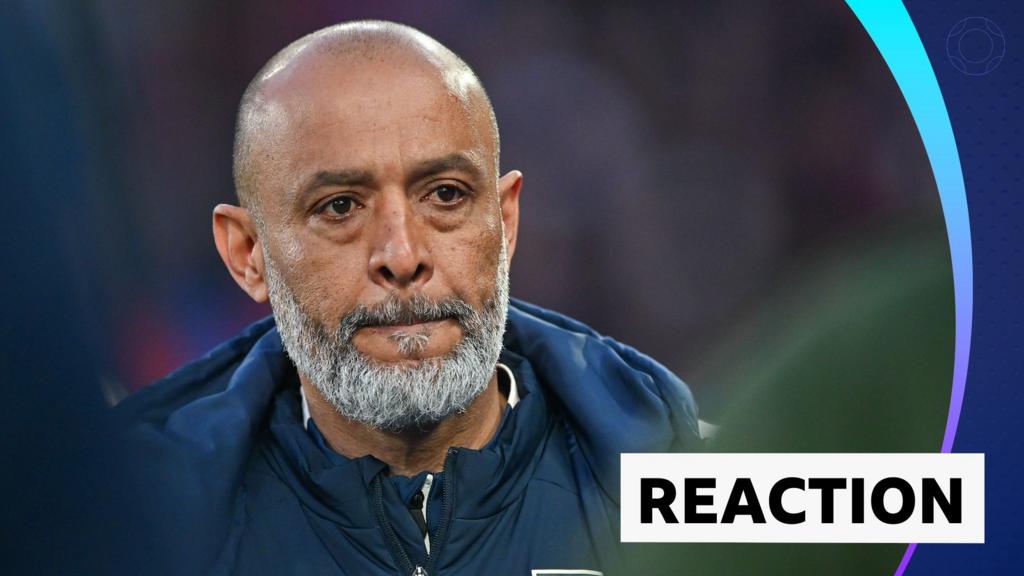
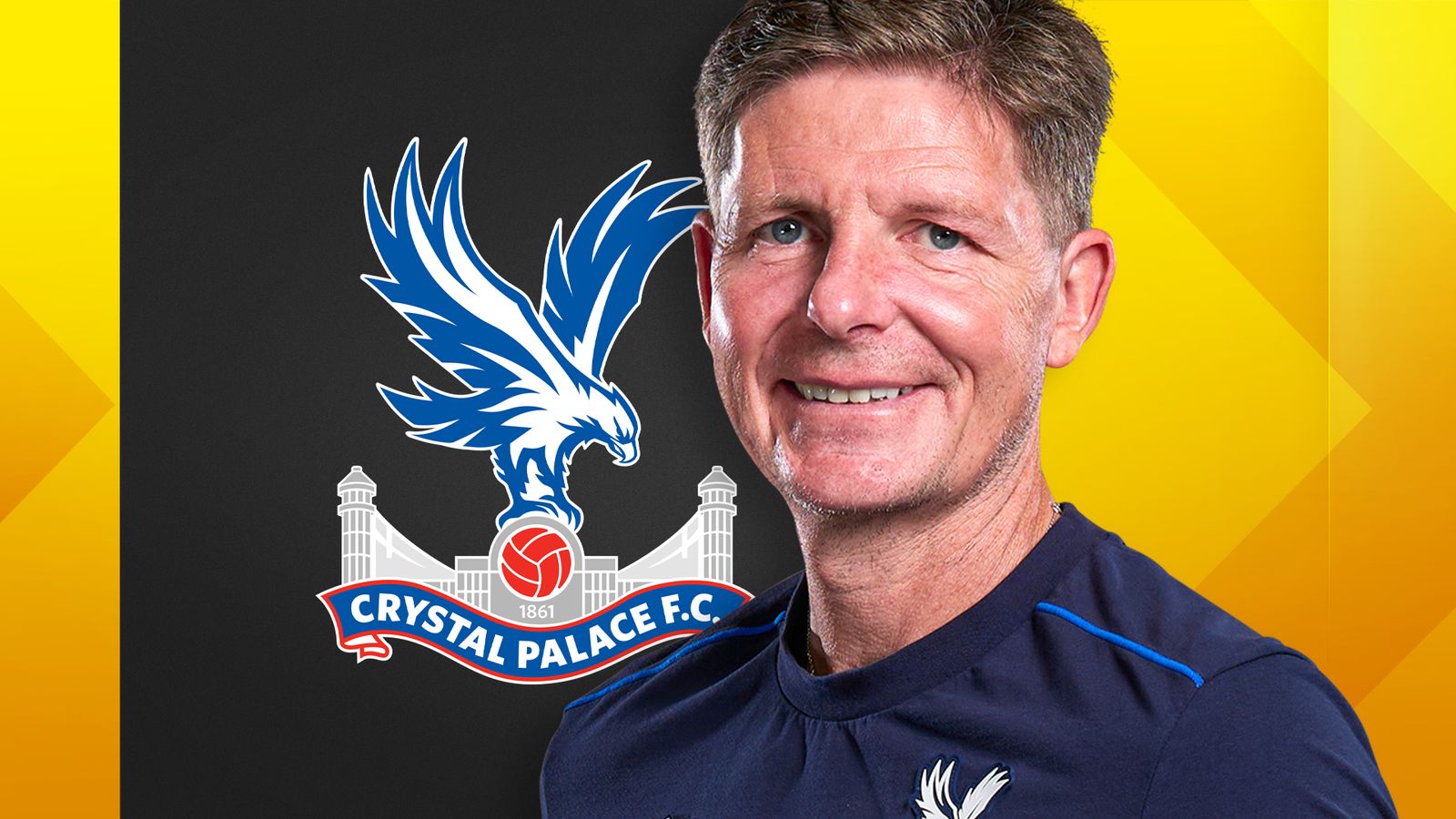
As the April 18, 2026, window closes, West Ham United and Crystal Palace find their rotations stretched thinner than anticipated. With domestic campaigns hitting the final stretch, the margin for error in squad management has vanished. Managers Nuno Espirito Santo and Oliver Glasner are currently juggling player fatigue alongside documented injury concerns that threaten to shift the momentum in upcoming matchdays.
For West Ham, the focus remains firmly on tactical discipline versus physical availability. Nuno Espirito Santo’s squad faces a stern test at Selhurst Park, where the fitness levels of his primary defensive unit have come under intense scrutiny. The reliance on senior starters has left little room for depth, forcing technical staff to monitor minor soft-tissue issues that could escalate if managed poorly. As Sky Sports outlined in their recent coverage, the emphasis is on maintaining defensive composure despite the physical toll of a long season.
Glasner’s commitment remains but the squad is fraying
Crystal Palace finds itself in a precarious position regarding personnel. While manager Oliver Glasner has stated he remains 100 per cent committed to the current side, the physical state of his roster is less certain. Injuries in the midfield have forced tactical adjustments that disrupt the team’s rhythm, particularly in transition phases. Reports from the latest club updates underscore that the medical staff is working double-time to ensure key attackers are fit for the final run-in.
The lack of squad depth has become a recurring issue that suggests poor planning during the winter transfer period. Relying on an aging core when the fixture list is this demanding is a recipe for the current volatility. Glaring gaps in the defensive pivot areas mean that a single injury to a starter could force a total abandonment of the preferred high-press system. It is a gamble that puts the club’s top-half aspirations at risk.
The broader impact of fixture congestion
Nottingham Forest is also dealing with external pressures that highlight the fragile nature of 2026 scheduling. Persistent uncertainty regarding their match against Chelsea has created a logistical nightmare for coaching staff who must balance physical training cycles with potential rescheduled dates. As noted via Sky Sports reporting, the inability to confirm the timeline adds mental fatigue to a squad already struggling with domestic league pressure.
Historically, this stage of the season is where sports science departments often lose the battle. We previously saw similar cluster injuries in 2024, where managers who ignored load management data suffered late-season point degradation. This year, the proximity to the World Cup in June acts as an additional accelerant for these concerns. Players are subconsciously protective of their bodies, which changes how they approach fifty-fifty tackles and sprints.
The current strategic implication is clear: the matches over the next three weeks will be won by the rotation, not the starting XI. Managers who refuse to trust youth or reserve options are essentially betting against the laws of biology. If West Ham or Palace drop points in the next two weeks, the origin of that failure can be traced back to the treatment room. Professionalism in the modern era demands that clubs have the depth to survive these periods. Currently, these squads look vulnerable, over-extended, and potentially one bad challenge away from unraveling their tactical identity.
The financial impact of these fitness issues reaches beyond the league table. With the 2026 summer window approaching, clubs are hesitant to over-spend on players whose medical profiles are flagged. The market is increasingly risk-averse following several high-profile transfer busts that were directly attributed to pre-existing medical concerns. Clubs are instead turning to short-term loan options to fill gaps, a trend that may become the standard practice if clubs do not invest more heavily in sports science and injury prevention during the off-season. This reactive approach is rarely sustainable for long-term championship contenders.