The Sullivan allegations hit West Ham during a delicate window
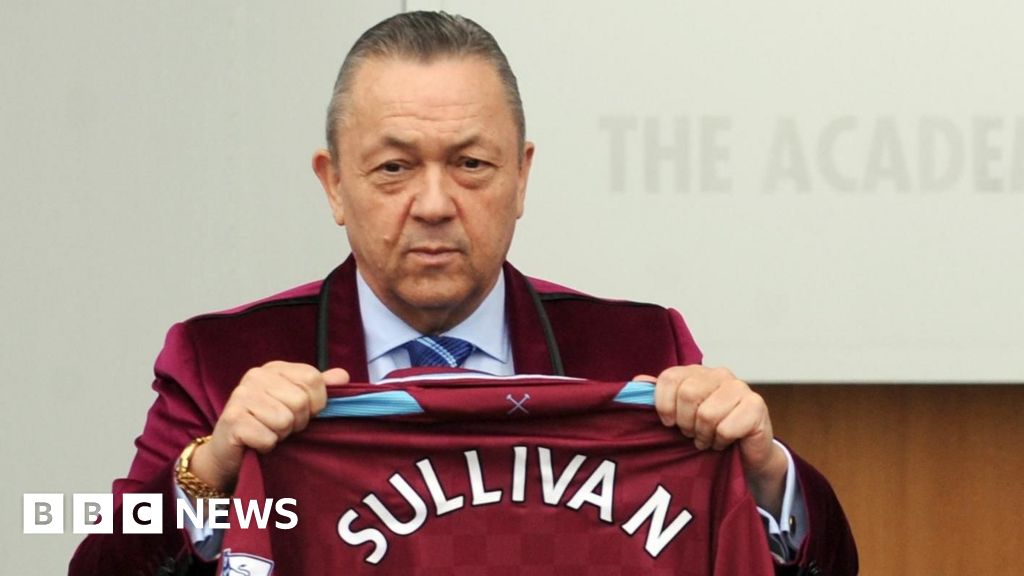
West Ham United co-owner David Sullivan is facing public accusations from seven women alleging sexual misconduct. The claims, which surfaced earlier today, place the club’s leadership under extreme scrutiny just days before the 2026 World Cup kickoff.
The allegations involve claims that Sullivan engaged in predatory behavior to secure sexual favors. These accusations have sent shockwaves through the east London side, creating an immediate PR crisis for the club and its executive board.
Legal and structural consequences for the Irons
While these accusations are separate from on-pitch injury reports, the organizational fallout is inevitable. West Ham has not yet issued a detailed formal response regarding the internal investigation protocols expected when a primary stakeholder faces criminal-level claims.
As detailed in recent reporting by the Mirror, the scope of these accusations involves seven distinct individuals. The historical precedent for major shareholders facing such serious allegations is rarely clean. Clubs usually face external pressure from sponsors, stakeholders, and the governing FA to move toward transparency.
The club’s precarious positioning
This news arrives at the worst possible time for the brand. With international travel and media focus pivoting toward the June 11 global tournament, West Ham’s internal cohesion is likely compromised. The silence from the Irons' official channels is already triggering skepticism among the fanbase.
The club has consistently attempted to project stability throughout the summer transfer window. However, this development makes that narrative functionally impossible to maintain. If these allegations lead to formal charges, the structure of the club’s ownership may face its most rigorous challenge since the move to the London Stadium.
Analyzing the lack of oversight
Critics point to the lack of independent oversight in how billionaire owners manage their personal conduct versus their public-facing roles. There is a distinct frustration among supporters that the club is often treated as a shield for individual behavior. This situation highlights a recurring issue in modern professional football where the personal lives of owners intersect with club safety.
Historical comparisons suggest this will be a slow-moving legal process. Similar high-profile cases involving club executives often result in months of litigation and internal audits. The standard for proof in these civil and potential criminal investigations remains high, but the emotional cost to the club’s reputation is immediate.
The gap between management and reality
The decision to remain quiet while these reports circulate feels like a strategic misstep. In an era where supporters demand accountability, the lack of a clear statement only feeds the vacuum of speculation. This is an avoidable error in public relations.
Serious accusations like these demand a level of maturity that is often missing from executive suites. The Irons are now left to navigate a global sporting event while tethered to a damaging headline. The focus for many fans has shifted from the pitch to the reality of who is running their club.
The path ahead
We await further information regarding whether the Premier League will intervene with its own investigation. For now, the focus is on how West Ham maneuvers around the news cycle. Success in the upcoming campaign will be secondary to how they manage this internal fire.
If current trends continue, expect the conversation around ownership accountability to dominate the summer. The intersection of professional football and legal accountability is rarely a comfortable one. West Ham now occupies that uncomfortable space alone.
The club sits at roughly 0% total transparency as of this morning. Any movement from here requires a change in philosophy. The strategy is currently failing because it relies on outdated patterns of silence.