The quiet before the investigative storm
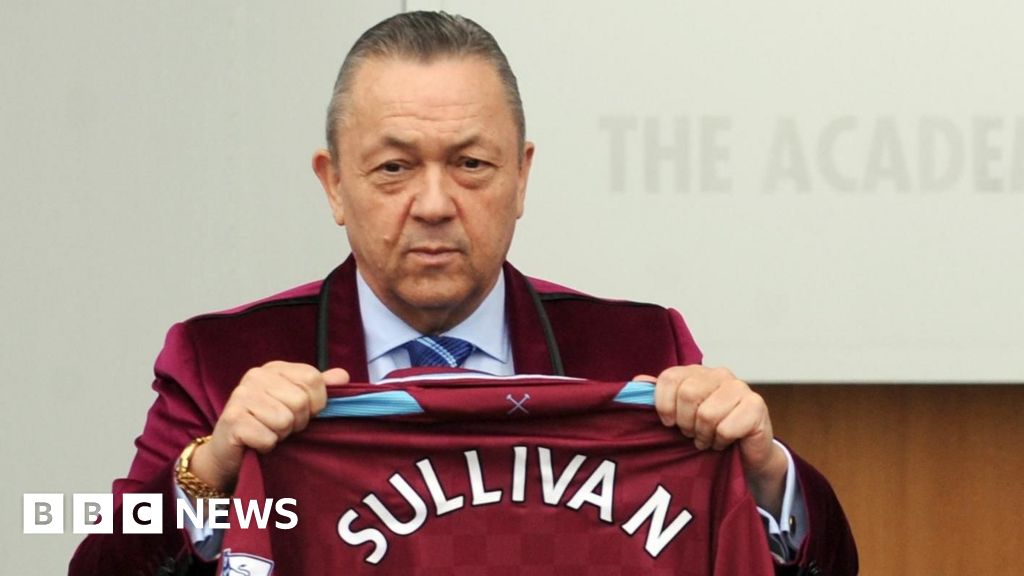
West Ham United fans have spent the last few days refreshing their browser feeds like they’re waiting for a deadline day transfer announcement that never comes. The news that BBC Panorama is dropping a deep dive into former chairman David Sullivan’s tenure has turned London Stadium’s digital corridors into a digital war zone. It is the kind of event that makes your average fan hide behind their sofa while simultaneously grabbing the popcorn.
We are finally getting a look under the hood of the post-Olympic Stadium era. If you have been paying attention to the chatter on forums, you know the sentiment is split right down the middle, largely depending on whether you think the move away from Upton Park was the greatest strategic blunder in club history or a necessary evil to keep the club competitive.
The skeptics are sharpening their knives
The anti-Sullivan camp has been loud for a decade, and this upcoming broadcast is their Super Bowl. Many argue that the investigation will validate years of frustration regarding the murky business dealings and the handling of the move from the Boleyn Ground. They view this as the moment the corporate veil finally gets ripped away.
One frequent commenter noted that the club has felt more like a commercial enterprise than a community institution since the 2016 relocation. They argue that the focus on maximizing revenue often came at the expense of fan connection. Whether that critique holds up against the actual evidence presented remains the single biggest point of contention before the cameras even roll.
The defenders see a hit job
On the other side, the contrarians are already calling it a sensationalist circus. They point to the club’s consistent presence in the upper half of the table as evidence that the leadership prioritized on-pitch results above all else. To these people, any investigative journalism is inherently biased against the ownership model that saved the club from financial ruin in the mid-2000s.
There is a harsh reality here that both sides conveniently ignore. You cannot claim the club moved into the big leagues without accepting the baggage that invites. The scrutiny of club ownership is at an all-time high in the Premier League, as the BBC investigation into these specific business practices suggests. Even if Sullivan is cleared of wrongdoing, the optics of being the subject of a primetime exposé are never great.
Why everyone is obsessed with this
The intensity around this story comes down to a fundamental shift in how we view football ownership. It is not just about tickets sold or goals scored anymore. It is about transparency. Fans are tired of feeling like customers in a shop they thought they owned a piece of emotionally. This is exactly why the discourse is so toxic.
My take? The reality likely lands somewhere in the messy middle. It is highly unlikely to be the smoking gun that topples the club, but it is equally unlikely to be a clean bill of health. Investigative pieces by organizations like the BBC usually have teeth, and they aren't going to spend weeks in production just to report that everyone did a great job. Expect a lot of uncomfortable questions about stadium revenue flows and private equity involvement.
The final scoreboard
History suggests that these exposés rarely lead to immediate regime changes. Chelsea and Manchester City have dealt with mountains of scrutiny and continued to win trophies while their fanbases hardened their stances. Accountability in football is usually measured in decades, not in the time it takes to air a 60-minute documentary.
The club has managed the transition to a global brand, but at what cost to the local identity? That is the question that remains unanswered. If you want to see how this plays out, watch the reaction online the moment the credits roll. It is going to be a bloodbath of bad takes and wild speculation regardless of what actually appears on screen.
The truth is rarely as interesting as the fiction we construct. We already have the knives out for the leadership regardless of the findings. That is the nature of the modern game: we don't watch documentaries to be informed, we watch them to confirm that the people we already hate are, in fact, the villains we imagined.