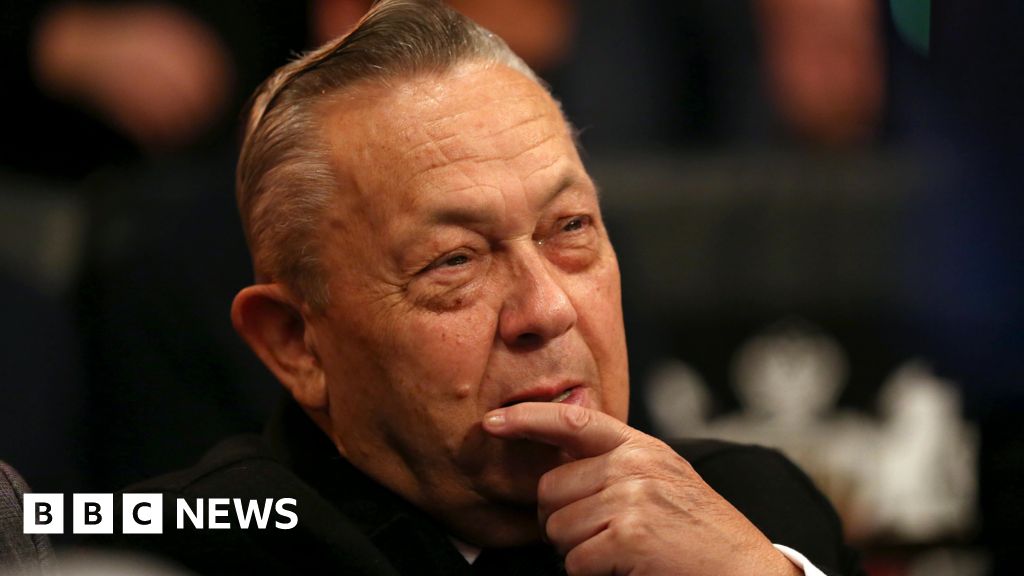
The end of the Sullivan era arrives with questions of stability
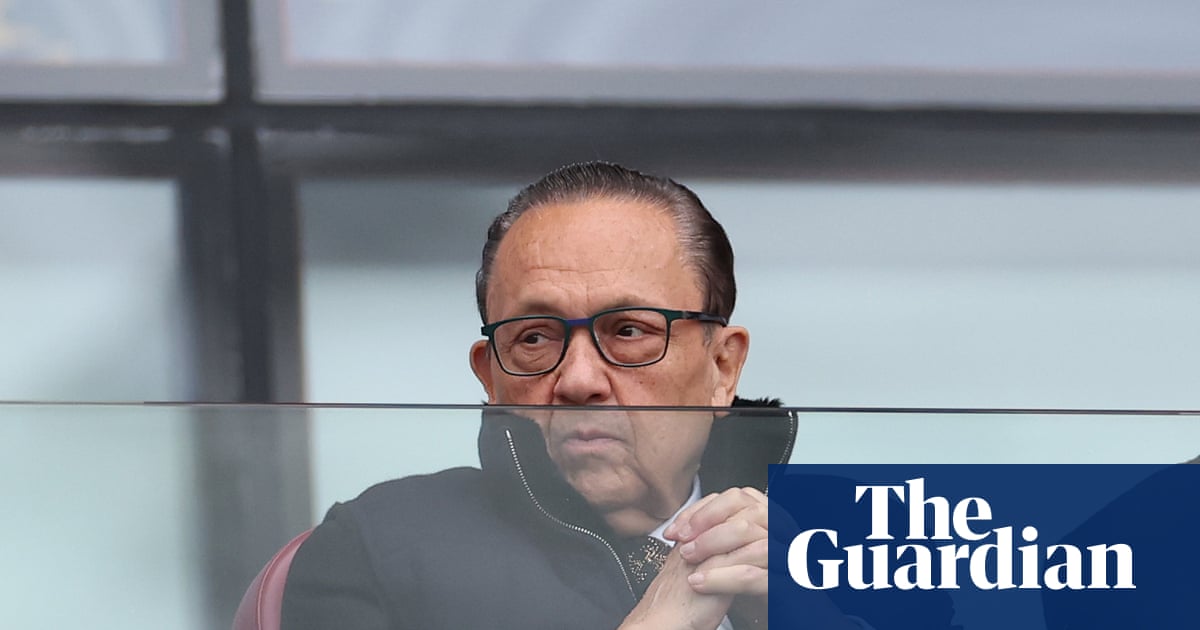
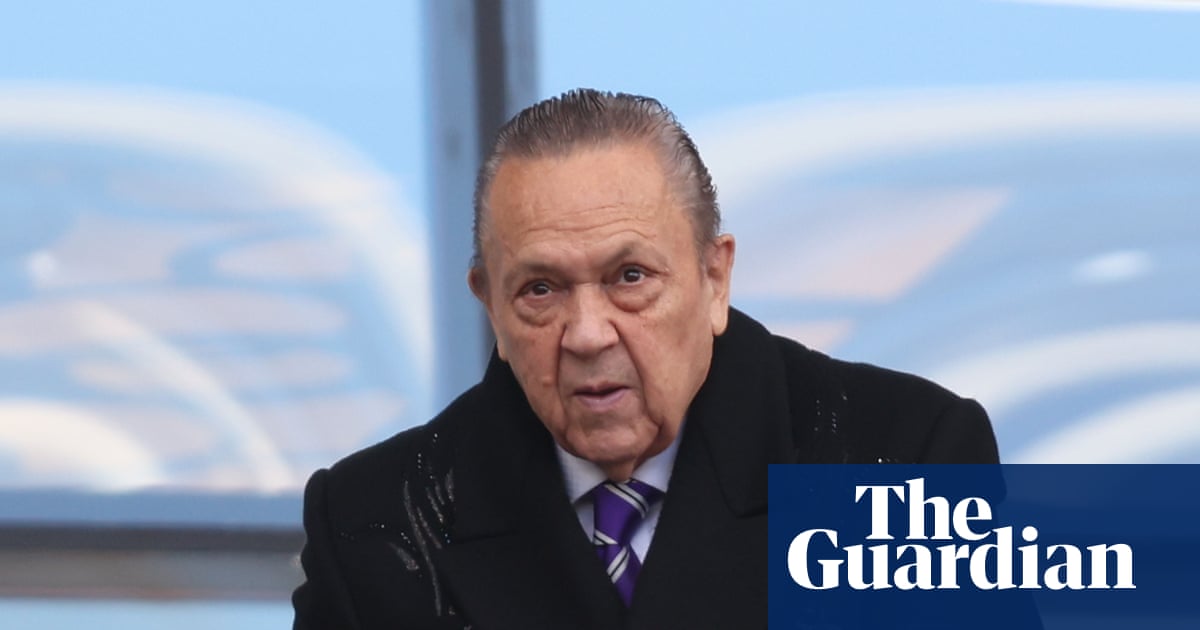
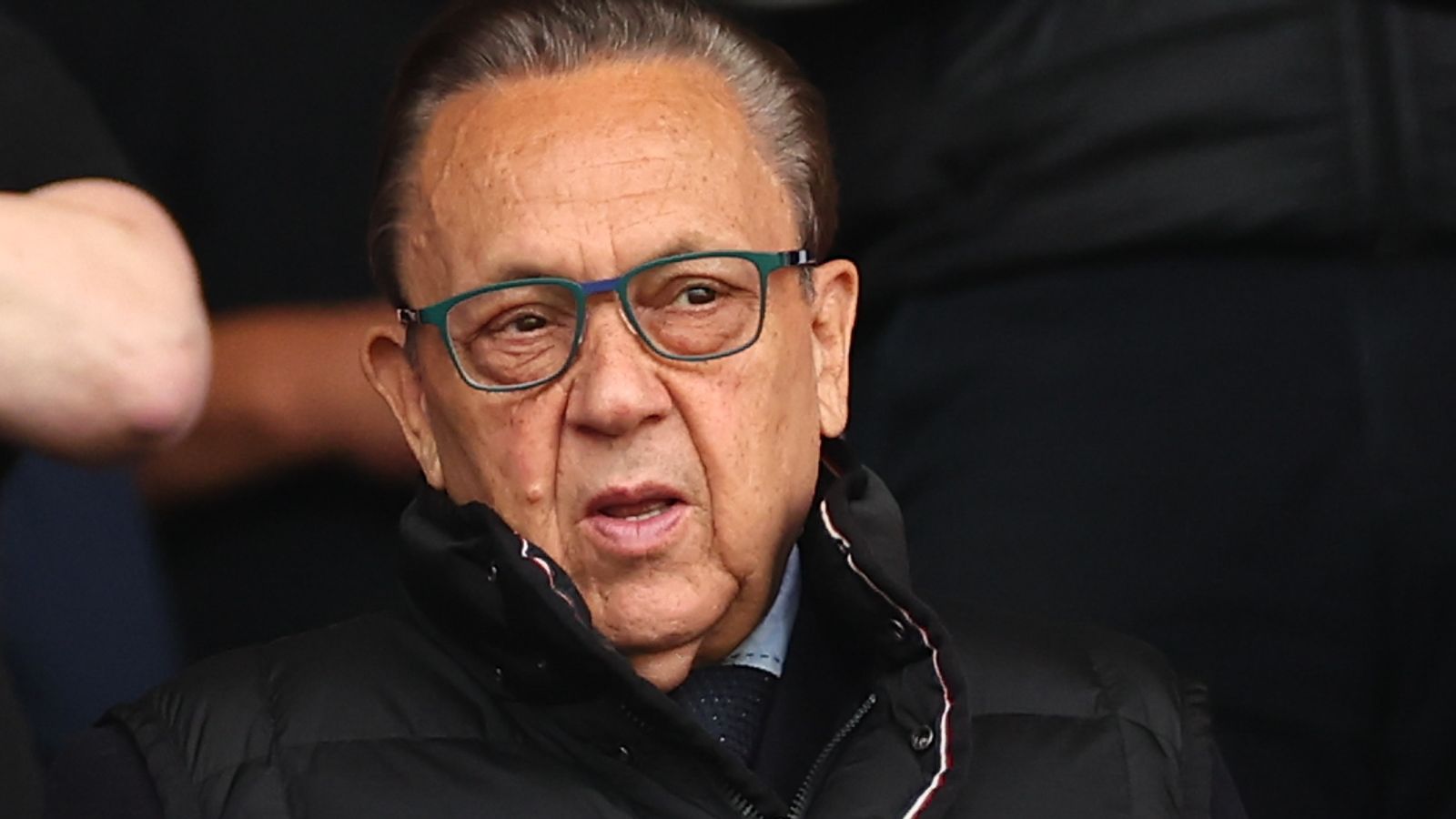
The departure of David Sullivan from the West Ham United hierarchy marks a shift that many observers struggled to predict until the final days of his tenure. Sullivan stepped down citing what he described as entirely false allegations, a conclusion to his time at the club that leaves the board facing an immediate personnel crisis. While the announcement was sudden, the tactical implications for the club's upcoming transfer window are immediate and unforgiving.
For the fanbase, the focus remains on whether this board shift will stall recruitment for the 2026/2027 season. The club has been linked to various defensive reinforcements, yet without a clear lead at the executive level, negotiating complex contracts becomes an issue of timing. West Ham requires a strong hand to navigate the opening phase of the World Cup period, when market volatility typically peaks.
Tactical stagnation despite the boardroom chaos
Looking at the match data from the final stretch of the season, West Ham struggled with a persistent lack of width in the attacking third. The team registered a low conversion rate on crosses, often relying on individual brilliance rather than a cohesive pressing scheme. Sullivan's exit might be interpreted by some as a clean break, but it does not fix the 14% chance creation dip recorded between March and May.
There is a documented failure in the way the club managed its pivot points during defensive transitions. Midfielders were frequently caught upfield during turnover sequences, forcing the center-backs into 1-on-1 situations with higher xG opponents. If the new leadership does not address this tactical drift, early-season results will likely suffer.
The looming shadow of summer uncertainty
As Mirror Football reported, Sullivan maintained his innocence regarding the allegations that precipitated his exit. However, legal disputes distract from the necessary work of assembling a squad capable of maintaining its standing in the table. The recruitment team now faces a situation where their primary signatory is absent during the most active period of the calendar.
My assessment of the upcoming campaign rests on how quickly they process this transition. West Ham have a window until the new domestic season begins to stabilize, yet history suggests internal friction rarely stays within the boardroom. The lack of proactive communication regarding a succession plan is a mistake.
The forecast for the months ahead
Predicting the trajectory of a club in flux is difficult, but the math supports a defensive dip. I expect West Ham to finish in the bottom half of the table unless they secure two starting-caliber defenders before July 15. The reliance on aging squad members to handle high-transition opponents is a recipe for a -12 goal differential by mid-autumn.
The lack of a clear sporting director role at this stage of the cycle suggests a chaotic July. I expect a mid-table finish, at best, specifically because the board has allowed administrative drama to supersede pitch-side concerns. They are entering this transition without a safety net, and the lack of a coherent long-term strategy will likely be exposed by October.