A fractured legacy at London Stadium
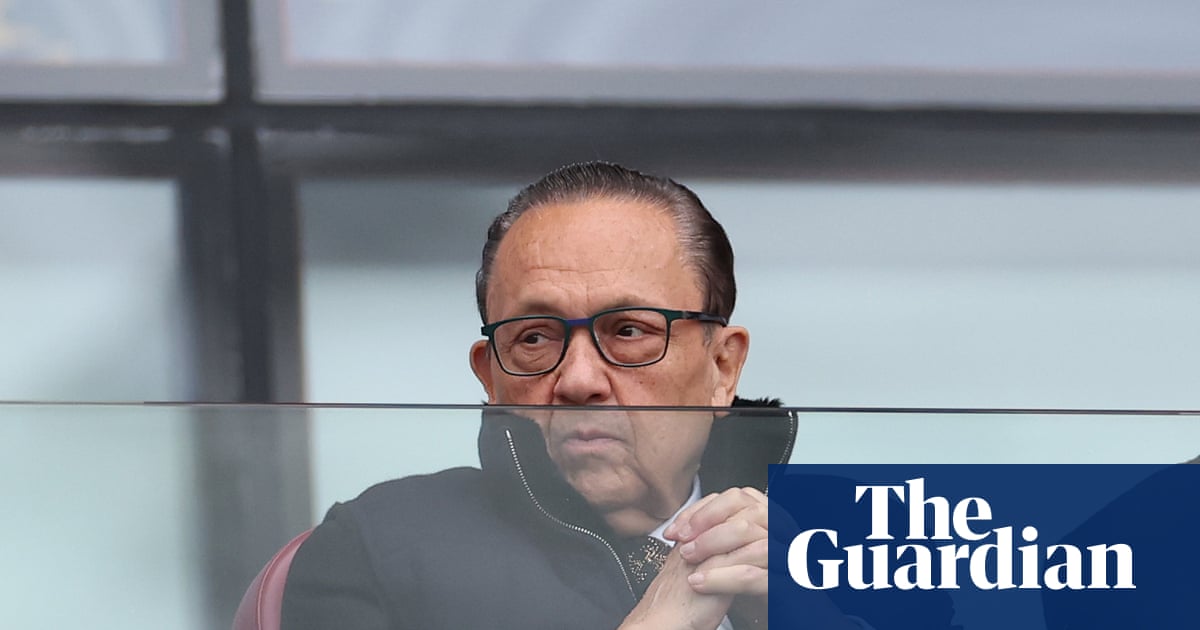
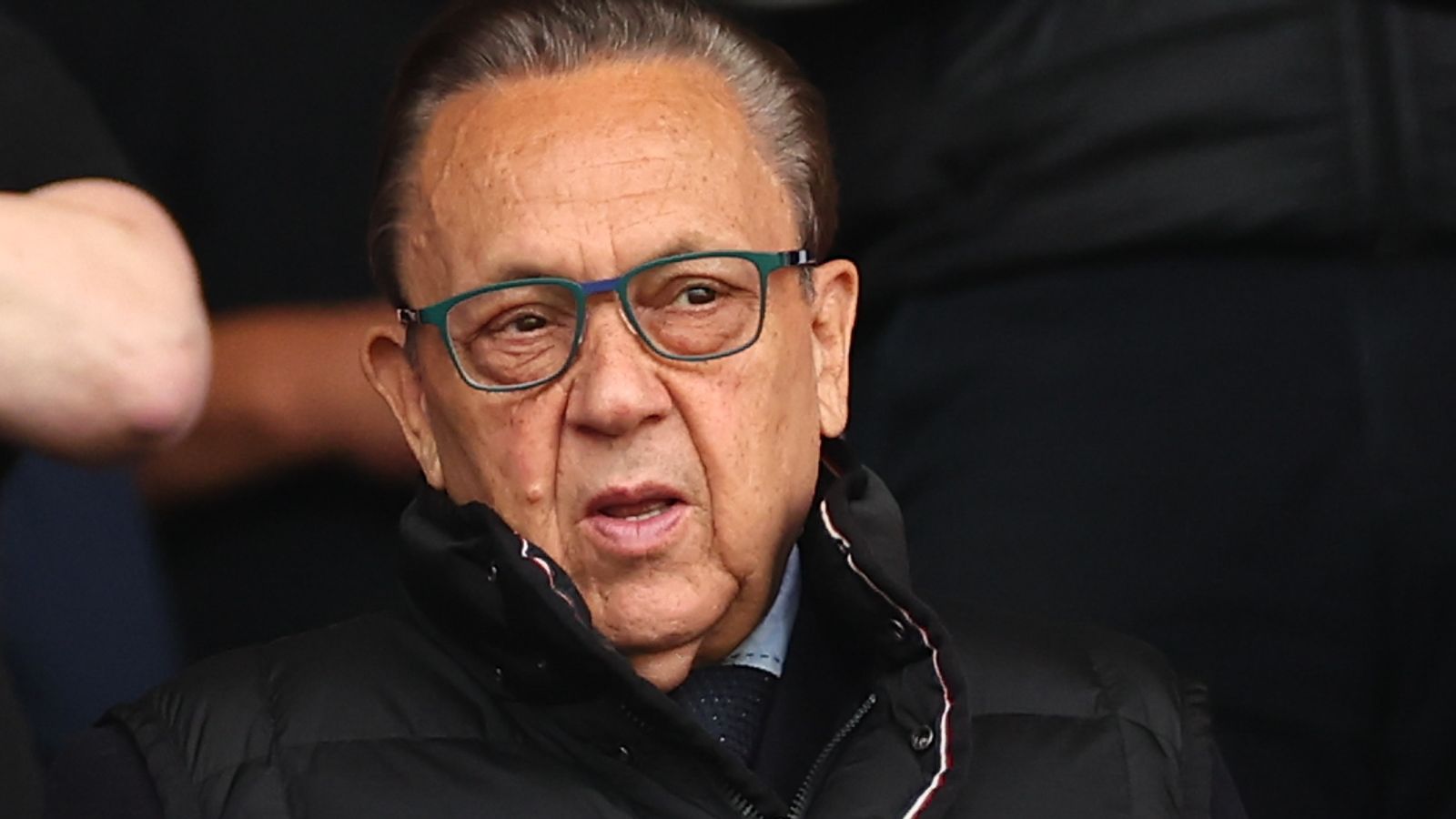
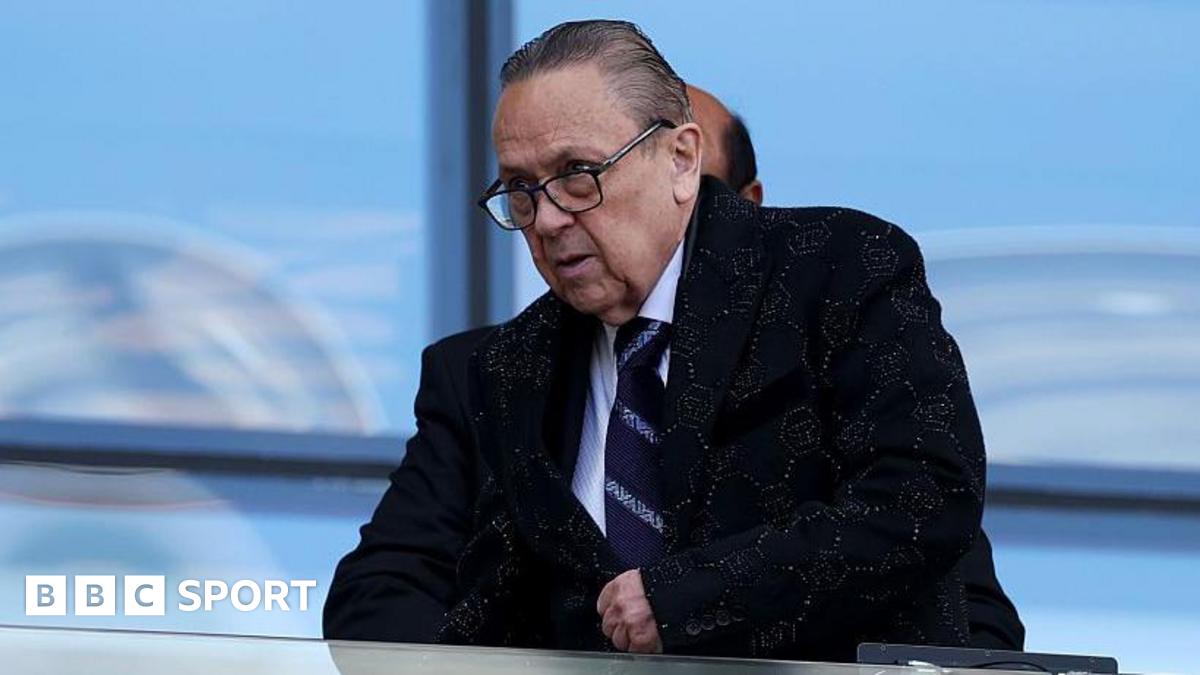
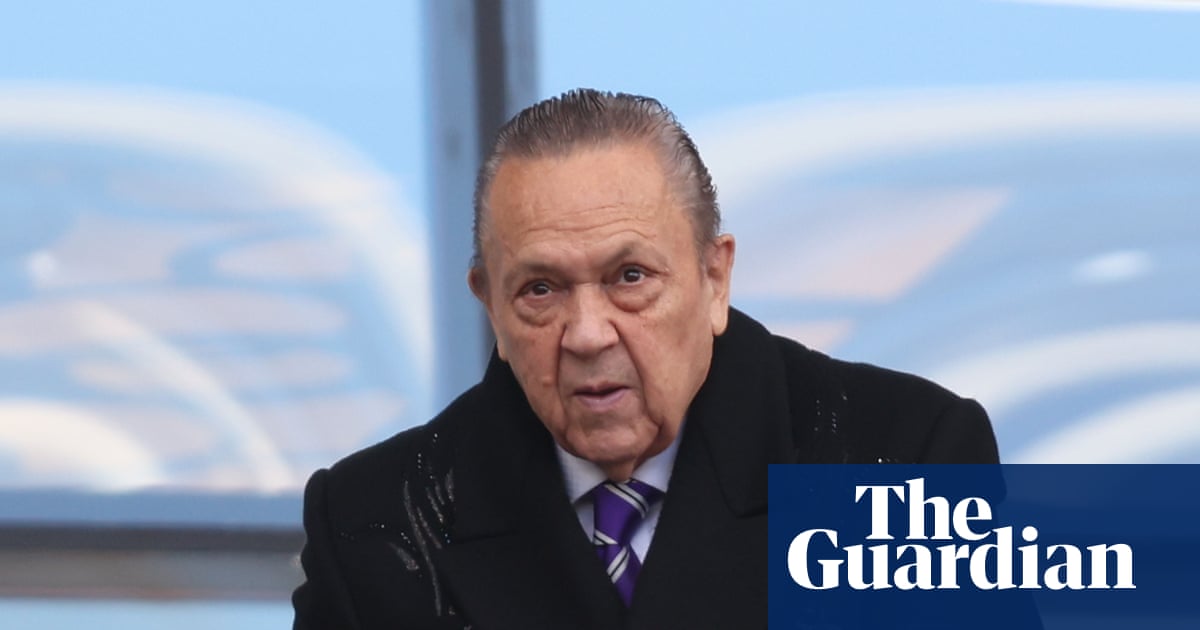
West Ham United finds itself in a state of administrative paralysis today following the sudden resignation of David Sullivan. As The Guardian reported, Sullivan has vacated his position as joint-chairman and director with immediate effect. The resignation arrives ahead of an impending, collaborative investigation by BBC Panorama and The Times regarding historic allegations. Sullivan has publicly labeled these claims as entirely false, yet the tactical shift in the boardroom is undeniable.
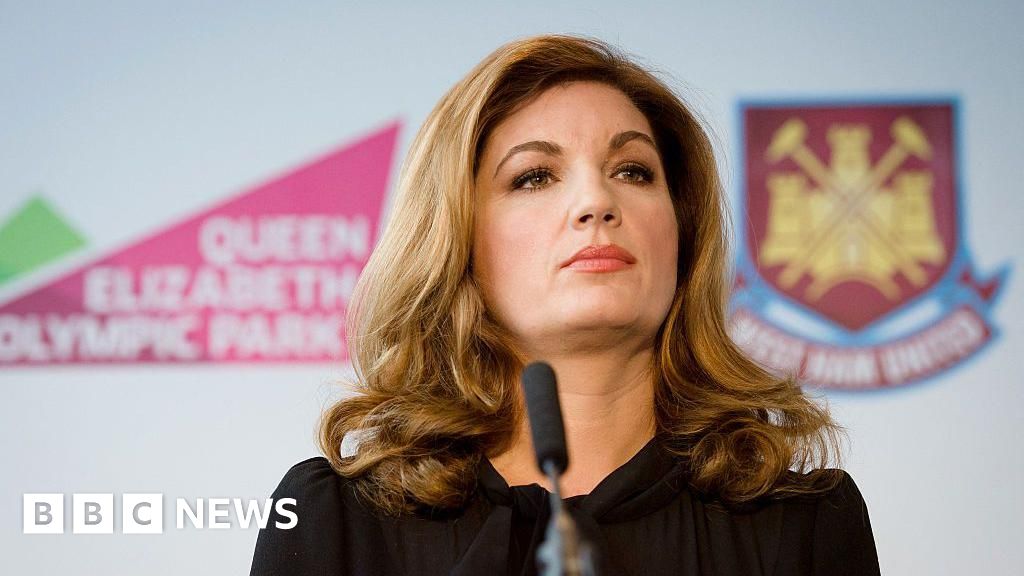
This is not merely a change in personnel; it marks the final chapter of a specific management era. With Karren Brady also out, the vacuum at the top of the club creates significant instability exactly five days before the global focus shifts to the 2026 FIFA World Cup. In the corridors of power, such volatility rarely stays contained. West Ham followers, who have endured a period of profound disillusionment with the previous guard, are now forced to watch the club attempt to navigate a transfer market without a permanent steering committee.
The transfer market consequences
The timing could not be worse for any sense of sporting continuity. While the front office navigates legal defense, the technical staff is expected to manage a complex summer rebuild. The primary concern is the potential paralysis of incoming and outgoing deals. Clubs often freeze operations when the principal decision-maker is in the midst of a PR and legal firestorm.
Take the case of Crysencio Summerville, who has been linked with a move away from the club. As TeamTalk noted, the club holds an asking price of £35m for the winger, with Napoli and AC Milan waiting in the wings. Can the club aggressively negotiate these exit terms when the executive leadership is in complete flux? It is a dangerous gamble to leave such revenue-generating decisions to interim figures who may lack the authority to finalize long-term structural moves.
A tactical evaluation of the fallout
From an analytical standpoint, the club's on-pitch strategy relies on stability in the dressing room. When the hierarchy is being questioned at such a high volume, it inevitably bleeds into the training ground. Professional athletes are aware of what is being reported; they read the headlines. The cognitive load on the squad is now significantly higher.
It is difficult to envision a scenario where recruitment targets are not hesitant to sign for a board in the midst of such transition. If the leadership cannot demonstrate forward-looking security, the best talents will look elsewhere. As Football365 recently noted, the relationship between the fans and the previous ownership had effectively dissolved. This departure, while perhaps solving long-standing tensions with the supporter base, adds a layer of uncertainty that is rarely a positive for team performance.
The bottom line
Predicting the outcome requires looking at the sheer weight of the impending investigation. The BBC Panorama and The Times joint effort suggests that the volume of evidence is considerable. My prediction is that the club will spend the next four weeks in a state of deep dysfunction, likely missing out on the primary transfer targets required to overhaul the relegated side.
The administrative rot that preceded this resignation will take multiple windows to clear. Do not expect meaningful progress on the pitch until a permanent, coherent management strategy is established. The £35m valuations and squad turnover plans are sidelined until the legal situation clarifies. West Ham is currently drifting, and the waters are only getting rougher as the rest of the league moves forward.