
When the beautiful game turns ugly: The shadow hanging over Istanbul

A night of shattered illusions
The Champions League is designed to be a theatre of dreams, a place where the grandeur of European history meets the raw, unbridled passion of the continent’s most fervent fanbases. Yet, as the final whistle blew at the Ali Sami Yen Stadium, the dominant feeling was not one of tactical admiration or sporting triumph. Instead, the aftermath of Liverpool’s hard-fought victory over Galatasaray has been swallowed by a sickening wave of racial abuse directed at Ibrahima Konate.
Standing in the heart of the Liverpool defense, Konate had been a colossus. His ability to snuff out danger, his recovery pace, and his composure under the cacophony of an away European night were nothing short of exemplary. But as he walked off the pitch, the narrative shifted from his professional excellence to the darker, systemic rot that continues to plague the sport.
The vile reality of online vitriol
The abuse, which flooded social media channels in the wake of the match, was not merely a collection of isolated, frustrated comments. It was a coordinated, hateful barrage. It serves as a grim reminder that despite the performative campaigns and the pre-match anthems, football remains a playground for the worst impulses of society. When the final scoreline doesn't go the way of the home supporters, the anonymity of the internet becomes a shield for cowardice.
What followed in the press room was perhaps even more distressing than the online abuse itself. A senior figure within the Galatasaray hierarchy, rather than issuing a condemnation of the behavior, chose to deflect and diminish. The comments made were not just tone-deaf; they were actively harmful, suggesting a level of institutional apathy that is as dangerous as the racism itself. It is a failure of leadership that echoes through the corridors of football’s governing bodies.
The silence of the complicit is often louder than the shouts of the bigots. When a club official chooses to minimize racial abuse, they are not just protecting their brand—they are emboldening the very people who make the game toxic for everyone else.
The tactical masterclass overshadowed
It is a tragedy that we are forced to discuss the conduct of officials and fans rather than the tactical chess match that unfolded on the pitch. Liverpool arrived in Istanbul knowing that the atmosphere would be hostile, a pressure cooker designed to rattle even the most seasoned professionals. Under the tutelage of their manager, they executed a game plan that relied on discipline and the exploitation of space.
- Konate’s defensive positioning was the cornerstone of the victory.
- The midfield transition, led by Alexis Mac Allister, dismantled the Galatasaray press within the first twenty minutes.
- The clinical finishing of Mohamed Salah ensured that the away side maintained a cushion, even when the home team pushed for an equalizer in the dying moments.
The performance was a testament to the resilience of the squad. To play under such intense scrutiny, both on and off the ball, requires a mental fortitude that is often overlooked in favor of technical ability. Konate, in particular, looked like a man possessed, dealing with every aerial duel with a quiet, efficient brutality that silenced the home crowd for long stretches of the second half.
The systemic failure of modern football
We have to ask ourselves: are we actually making any progress? Every few months, we see a player subjected to vile abuse, a brief outcry on social media, a generic statement from the club, and then a return to the status quo. The Galatasaray chief’s comments are a symptom of a deeper disease where the result is prioritized over the humanity of the players on the field.
If the governing bodies are serious about eradicating this behavior, the response needs to be structural, not cosmetic. Fines are treated as the cost of doing business, and social media bans are easily circumvented. We need to see a culture shift where clubs are held accountable for the rhetoric of their leadership. If an official speaks in a way that legitimizes abuse, the repercussions must be swift and severe.
Moving beyond the performative
Football is supposed to be a unifying force, a language spoken by millions across borders and cultures. When that language is poisoned by racism, the game loses its soul. The players, who are expected to perform at the highest level regardless of the abuse they face, are being let down by the very institutions that profit from their labor.
The Liverpool squad showed immense solidarity in the immediate aftermath, rallying around Konate. It was a heartening sight, but it shouldn't be the players' responsibility to police the fans or the officials. They are there to play football, not to be the frontline of an ideological war. The burden of change must lie with the clubs, the leagues, and the platforms that allow this hate to fester.
The road ahead
As the dust settles on this Champions League tie, the focus will inevitably shift to the next round of fixtures. But the stain of this match will remain. Galatasaray as a club has a long, storied history, but that history is now tainted by the actions of those who represent it. The question is whether they have the courage to address the rot from within or if they will continue to hide behind the shield of defensive rhetoric.
For Ibrahima Konate, he can walk away knowing he did his job with distinction. He was the best player on the pitch, and no amount of hateful rhetoric can change that. The challenge for the rest of us—journalists, fans, and administrators—is to ensure that he is the last player who has to endure such treatment. We have heard enough empty promises. It is time for actions that carry real, lasting weight.
Football is a game of moments. Some are moments of brilliance, like a perfectly timed tackle or a thunderous strike into the top corner. Others are moments of shame. This week, we were reminded that the two often coexist, and until we prioritize the dignity of the individual over the tribalism of the sport, we will continue to see the beautiful game tarnished by its own shadow.
Read Next
- Liverpool's statement win against Galatasary is being overshadowed by a messy legal threat
- Why Thiago Pitarch is the tactical blueprint for Real Madrid's next era
- Anfield’s brutal night leaves Galatasaray counting the cost of a European exit
- Liverpool's title charge hits a nerve-wracking speed bump with Alisson sidelined
PUMA Orbita 6 PL Thrill MS Soccer Ball
A budget-friendly piece of the Premier League.
Frequently Asked Questions
What happened to Ibrahima Konate after the Liverpool vs Galatasaray match?
How did Galatasaray leadership respond to the abuse directed at Konate?
Why is the response from club officials considered harmful?
What tactical factors contributed to Liverpool's victory in Istanbul?
What role did Ibrahima Konate play in Liverpool's defensive performance?
More Coverage

Arsenal vs PSG: Why tactical rigidity will determine the European champion
3 hours ago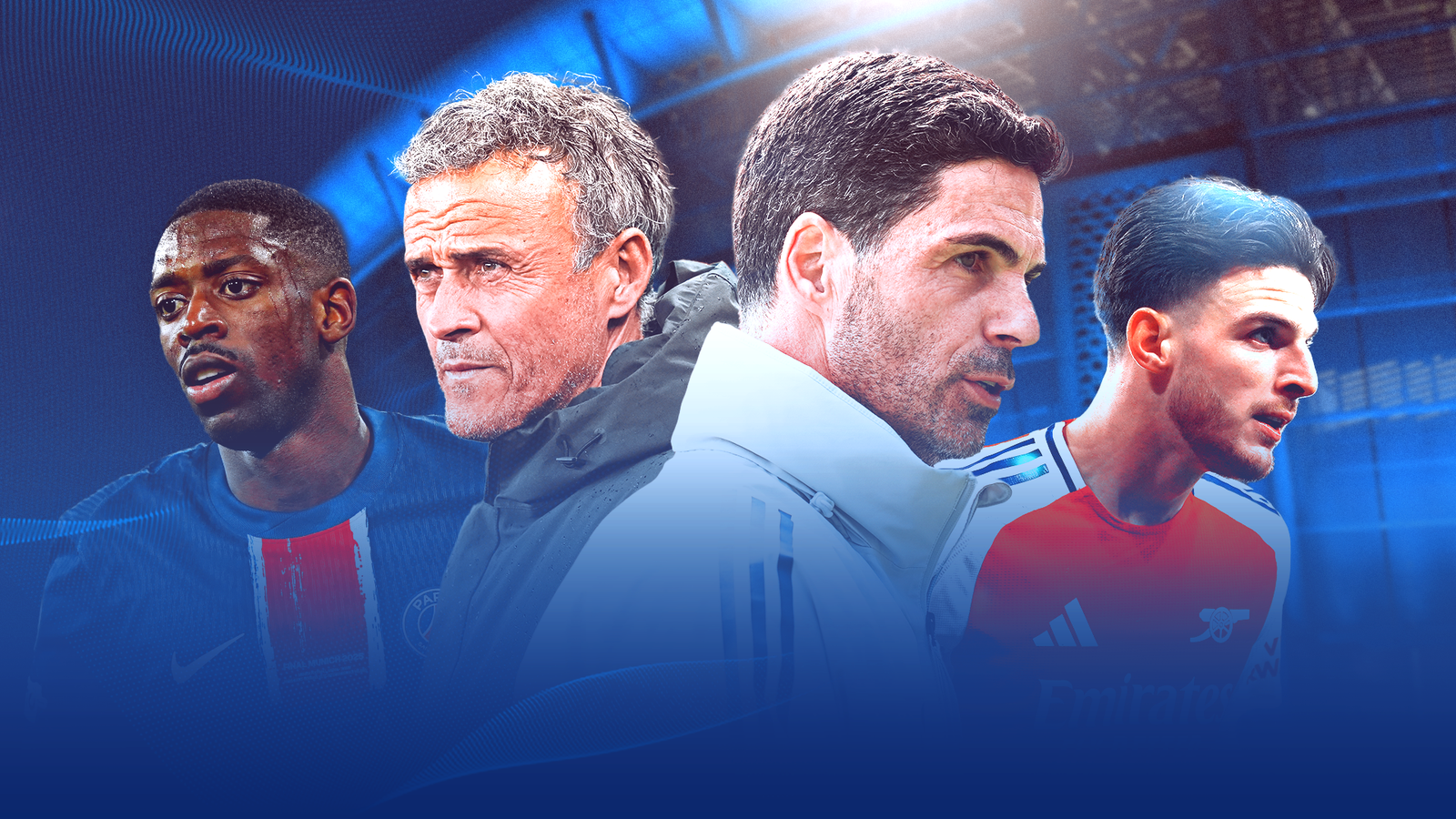
Arsenal and PSG are locked in a tactical chess match for the trophy
5 hours ago
Top 10: The Definitive Arsenal Moments of the 2025/26 Season
5 hours ago
Arsenal's Champions League final gamble rests on Timber's fitness
6 hours ago
Arsenal’s Champions League final run is pure Arteta obsession
7 hours ago
The sports calendar is currently eating itself alive
7 hours agoMore Match Reports

Anfield’s brutal night leaves Galatasaray counting the cost of a European exit
2 months, 1 week agoLiverpool is playing a dangerous game with Ibrahima Konate
2 weeks, 4 days ago
Liverpool's statement win against Galatasary is being overshadowed by a messy legal threat
2 months, 1 week ago
Kevin Danso and the ugly reality overshadowing Spurs' final push
1 month, 1 week ago
Konate's Fitness and Mentality Problem Puts Liverpool in a Bind
1 month, 2 weeks ago