Cardiac health and elite competition
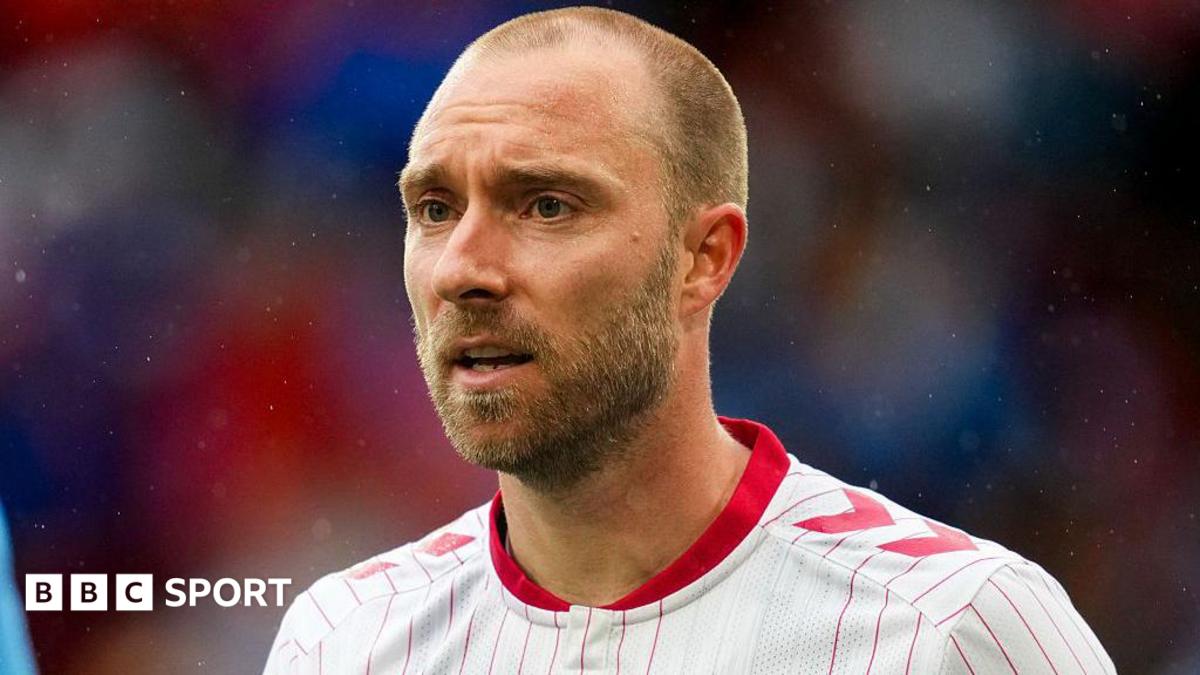
The medical protocol for athletes returning to competition after cardiac arrest has undergone a shift in the last five years. Following the cardiac incident involving Christian Eriksen during the 2020 European Championship, the implementation of an Implantable Cardioverter Defibrillator (ICD) became the standard for those seeking to return to professional pitches. These devices monitor heart rhythm 24 hours a day and deliver a corrective shock if a life-threatening arrhythmia is detected.
While the technology enables athletes to return to sport, it changes the physical experience of a match. An ICD is a small device, roughly the size of a matchbox, implanted beneath the collarbone. It is connected to wires that sit inside the heart vessels. For a footballer, this means a permanent reminder of their medical history sitting under the skin, often vulnerable to impact from ball strikes or accidental collisions at high velocity.
The mechanics of a shock during play
If an ICD triggers during a match, the athlete immediately experiences a sudden, high-voltage jolt. Medical experts interviewed by the BBC note that the sensation is often described as feeling like being kicked in the chest. At 22,000 players across the domestic professional game, the risk of a contact-based malfunction is statistically low but never zero.
The device is programmed to distinguish between a healthy increase in heart rate—such as sprinting down the wing in the 88th minute—and a chaotic rhythm like ventricular fibrillation. However, intense physical exertion mixed with heavy physical contact can theoretically confuse sensors. If a device discharges, the player is usually instantly aware, often resulting in immediate loss of footing or involuntary lunging.
Historical context and the return to peak performance
Before the current generation of devices, a diagnosis typically led to immediate retirement. Eriksen’s successful return to the Premier League and international football changed the calculus for team doctors and governing bodies. He rejoined Brentford in January 2022 before moving to Manchester United, proving that elite-level athletic output is not inherently negated by cardiac hardware.
The psychological toll is less documented but equally significant. Players operating with an ICD often report a heightened sensitivity to their own heartbeat, especially after heavy contact or during extra time when fatigue causes the heart to labor. It requires a specific level of trust in the device and the medical staff, who must monitor telemetry data regularly to ensure the wires remain seated correctly despite the constant jostling of professional play.
Strategic implications for club medical staff
Club doctors are now required to maintain a higher frequency of screening for players fitted with these devices. This includes more regular chest X-rays to check lead integrity and periodic interrogation of the device’s log files. The primary concern is not just the cardiac event itself, but the risk of lead fracture caused by repetitive upper-body movement or thoracic trauma. A snapped or displaced wire can render the device useless at the exact moment it is needed.
Teams have also had to update their pitch-side emergency plans. An ICD-equipped player effectively carries their own defibrillator, but staff must be prepared for the fallout if it fires. This includes stabilizing a player who has just experienced an electric shock while running at full tilt. This level of preparedness adds a layer of operational complexity to match-day logistics that is rarely discussed by front-office management.
The missed opportunity for universal screening
One critical flaw remains in the current approach: reactive rather than proactive screening. Despite the high-profile nature of recent cardiac events, many smaller clubs and leagues still lack the budget for high-end cardiac mapping for their full squads. Relying on an "if it isn't broken, don't fix it" mentality for athletes who have yet to show symptoms is a liability.
The industry spends millions on sophisticated data sets for xG and player movement but often falls behind on diagnostic imaging that could catch electrical anomalies before they become critical. Until every club invests in consistent, standardized cardiac surveillance for all players—not just those with a known history—the risk remains. We are relying on fortune rather than a robust medical shield to prevent another on-field crisis.