The end of a grueling physiological war
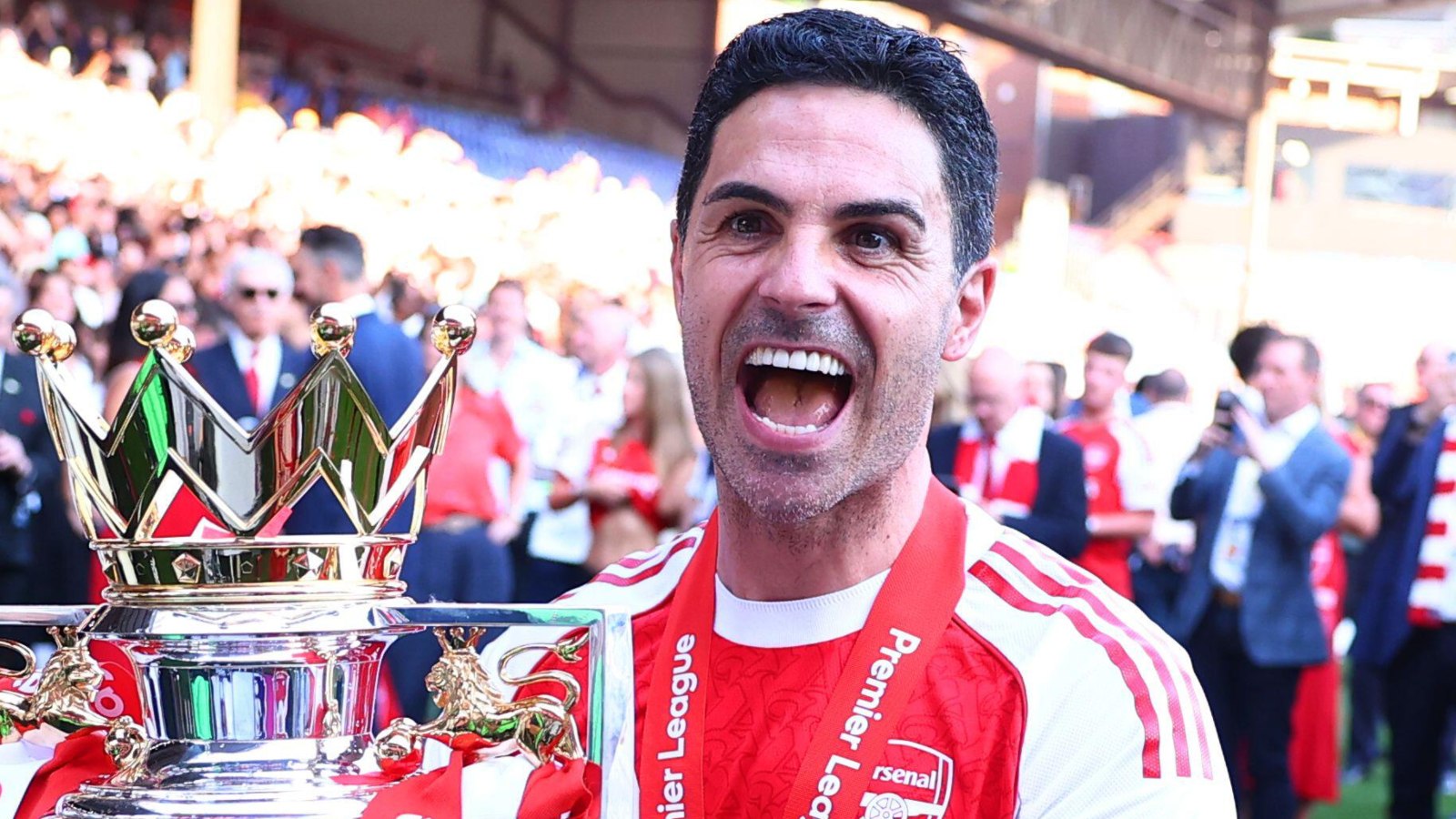
Arsenal are Premier League champions for the first time in 22 years. The final whistle brought tears, pitch invasions, and absolute chaos to north London. Mikel Arteta finally climbed the mountain and delivered the trophy.
Tactical breakdowns and highlight reels are already flooding the internet. The physiological reality behind the scenes is far more compelling. Beating a juggernaut like Manchester City over a relentless domestic campaign requires an incredibly resilient medical record.
For the past two decades, Arsenal were synonymous with the mid-season physical collapse. A promising title charge would inevitably derail in late winter as key players succumbed to catastrophic soft-tissue damage. The narrative was predictably grim.
The ghosts of Abou Diaby, Jack Wilshere, and Eduardo haunted the Emirates turf. Fluid football was constantly undermined by fragile bodies unable to withstand the violence of English football. This season, the medical staff violently dismantled that narrative.
During the late Arsene Wenger years, the medical department faced intense scrutiny. Training methods were questioned as players repeatedly broke down with identical stress fractures and muscle tears. The complete overhaul led by modern sports scientists fundamentally changed the culture at London Colney.
Declan Rice and the anatomy of an ironman
Midfielder Declan Rice recently made an honest admission regarding the mental and physical toll of hunting down City. His comments point to a staggering reality about the sheer volume of work required to win this league. The demands placed on his body were absurd.
As a medical and fitness reporter, analyzing Rice’s physical output this season feels like studying a biological anomaly. The tracking data from his performances completely defies modern sports science expectations. Elite central midfielders usually hit a physical wall.
Operating in a high-intensity pressing system normally forces a player to max out their sprint capacity by late March. GPS tracking almost always shows a sharp decline in acceleration and deceleration metrics as the season grinds on. Fatigue inevitably slows the legs.
Rice ignored that athletic degradation completely. He absorbed an outrageous number of minutes without suffering a single soft-tissue breakdown. His engine remained perfectly intact during the most intense title run-in.
This durability stems from elite biomechanics. Rice runs with a highly efficient, low-impact stride that significantly reduces the kinetic shock transferred to his patellar tendons and ankle ligaments. He glides across the pitch rather than pounding his joints into it.
Natural efficiency only takes a professional athlete so far. The sports science protocols implemented by Arsenal's medical staff had to be absolutely flawless to keep him functioning at an elite level. They walked a tightrope for ten continuous months.
The sports science arms race
When you are trying to outpace Pep Guardiola’s machine, training load has to be meticulously managed. You cannot push athletes intensely during the week and expect their central nervous systems to fire on the weekend. Recovery becomes the only priority.
Arsenal shifted their entire operational focus toward injury prevention. Intense tactical drills were frequently scrapped entirely. The medical team implemented strict new routines to guarantee cellular recovery.
- Mandatory hyperbaric oxygen therapy sessions immediately following matchdays.
- Targeted cryotherapy treatments to reduce systemic inflammation.
- Rigorous sleep monitoring protocols tracking deep REM cycles.
Blood markers were scrutinized every single morning. If a player showed elevated levels of creatine kinase, their explosive sprint work for the day was immediately halted. Creatine kinase is the primary indicator of severe muscle damage.
This cautious approach behind closed doors allowed Arteta's men to explode on matchdays. The medical staff prioritized nervous system recovery over extra tactical repetitions. It was a genuine masterclass in modern athletic load management.
The reckless gamble in the red zone
There is a glaring, uncomfortable flaw in Arteta’s masterpiece. The medical strategy utilized to win this title frequently crossed the line from brave into dangerously negligent. Arsenal rode their luck to an extreme degree.
Arteta flat-out refused to rotate his most important players during the brutal winter fixture congestion. He ran his core group straight into the ground. Bukayo Saka and Rice were repeatedly sent out to play while residing deep in the dreaded red zone.
The red zone is the state of accumulated physiological fatigue where the risk of catastrophic injury skyrockets. Saka was frequently seen limping late in matches. He visibly fought through severe calf and ankle pain just to stay on the pitch.
When a player operates in the red zone, their running mechanics subtly alter to protect fatigued muscles. This overcompensation places unnatural stress on secondary muscle groups. A fatigued hamstring forces the lower back and calves to absorb more kinetic energy.
Playing athletes continuously under these degraded conditions is a massive gamble. Muscle elasticity drops rapidly when forced to perform without adequate recovery time. Micro-tears in the hamstring or groin easily turn into severe Grade 3 ruptures if ignored.
Arsenal's medical staff must have been terrified during every single heavy collision. They watched their best players absorb massive physical punishment without the safety net of adequate rest. The strategy was built on sheer hope as much as science.
Manchester City’s approach provides a stark contrast. Guardiola rotates elite, expensive squad players to ensure long-term physiological health. He pulls key midfielders from the firing line specifically to protect their hamstrings from failing.
Arteta did not have that luxury. He traded long-term physical security for short-term glory. Given the brutal wait for a league title, every single fan in north London will gladly accept that brutal trade-off without a second thought.
The looming World Cup nightmare
You cannot ask the human body to defy biological reality forever. The physiological bill always comes due, and it is going to be paid very soon. The consequences of this title run will bleed directly into the summer international schedule.
The FIFA World Cup kicks off on June 11 in North America. That leaves virtually zero time for these overworked athletes to clear the lactic acid from their systems. The turnaround time is medically insufficient by every known standard.
Players like Rice and Saka will report for international duty running on absolute fumes. Their base conditioning is completely maxed out. They are physically hollowed out after a ten-month war of attrition.
The England national team medical staff is inheriting players who have been pushed miles past their biological limits. The statistical risk of acute muscle ruptures during the World Cup group stages is now incredibly high for these Arsenal stars.
There is simply no time for the central nervous system to reset properly. Tendons and ligaments need weeks of absolute rest to repair the micro-trauma inflicted by a Premier League season. These players will get days instead.
Arsenal's medical and fitness staff deserve immense credit for holding this squad together. They built a team tough enough to withstand the most physically demanding domestic league on earth. They conquered the ultimate mountain.
The warning signs are flashing bright red right now. The physical data from these final weeks will likely show a squad operating on the absolute brink of total physiological collapse. They are quite literally running on empty.
As Rice noted, the margin for error against City was practically nonexistent. That same brutal reality applied in the recovery room every single day. Arsenal won the war, but the medical fallout is just beginning.
Read Next
- Bukayo Saka survived the machine to become a Premier League champion
- Arsenal won the league and the internet is absolutely losing its mind
- Mikel Arteta built a machine, then won the league at a barbecue
- Of course Mikel Arteta won the league while grilling sausages
- ⭐ UCL 2026 — Champions League Quarter-Finals Hub