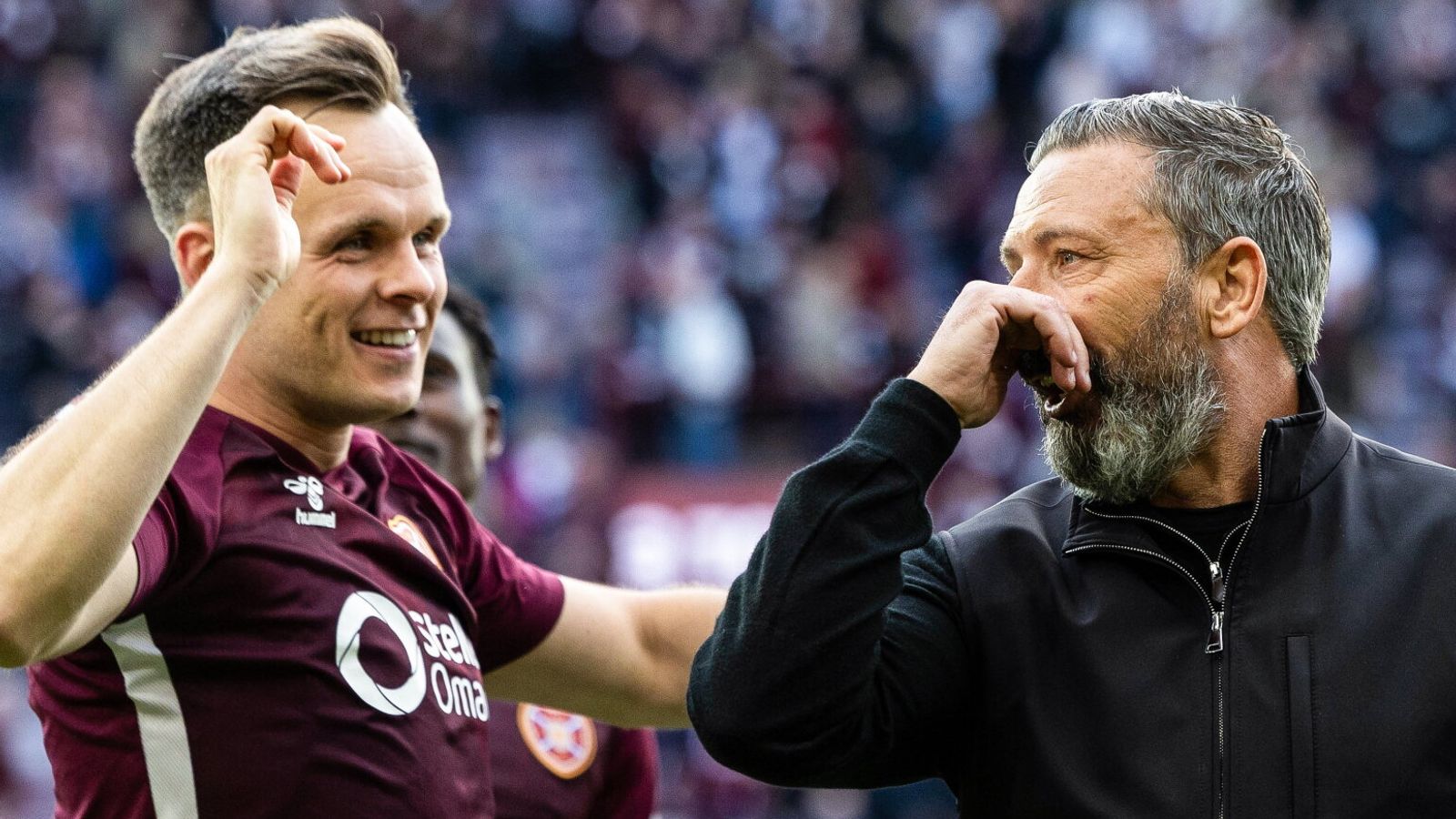
Why Arbroath's part-time model is the most radical experiment in British football
The end of the professional purity myth
David Gold’s admission that Arbroath intended to maintain their part-time status even if they secured promotion to the Scottish Premiership represents a direct challenge to the financial saturation of the modern game. In an era where English Championship clubs burn through parachute payments with dizzying, reckless abandon, the idea of a top-flight side filling out training time sheets around day jobs feels like a throwback to 1974. Yet, it serves as a necessary reality check.
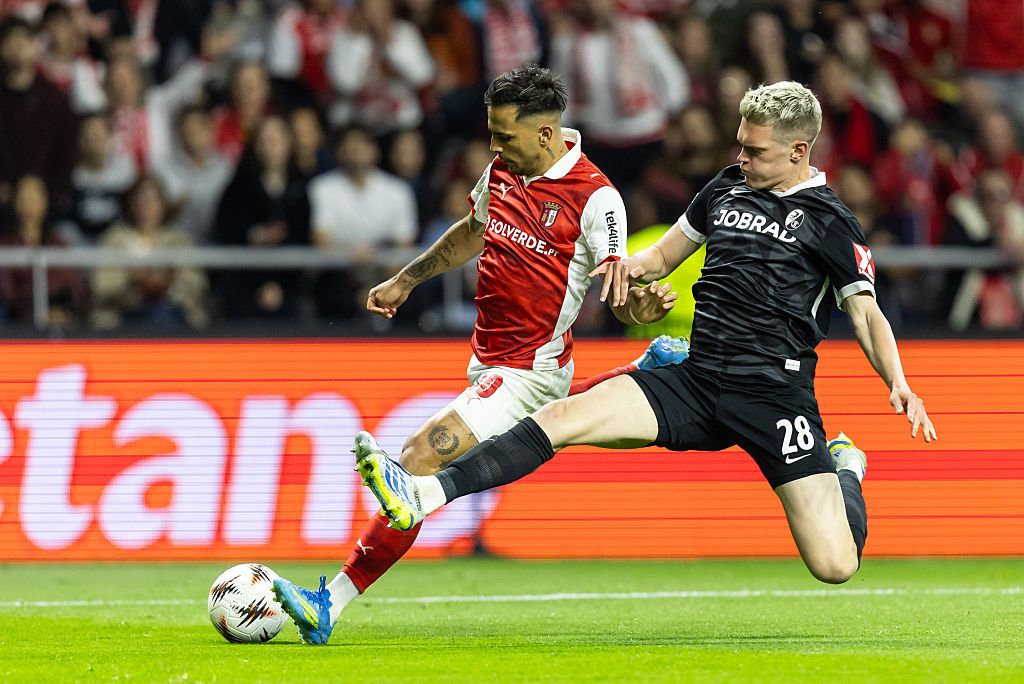
We have reached an inflection point in lower-league economics. Between the relentless pursuit of European glory for clubs like the Arsenalistas of SC Braga, who balance continental ambition with the volatile nature of knockout football, and the hyper-professionalism demanded at every level, the costs have spiraled. Arbroath’s refusal to sacrifice their identity for the sake of the Premiership’s bottom line is a gamble on cohesion over capital.
The tactical limits of the part-time shift
Managing squad conditioning for players who report for double training sessions on Tuesday and Thursday nights requires a specific level of discipline that standard professional contracts gloss over. It limits the tactical complexity a coach can implement. You cannot enforce a high-pressing, gegenpressing-style system if your center-backs have spent their morning moving heavy machinery or working behind a desk. Intensity, by necessity, becomes rhythmic rather than total.
The risk here is not just about competing on the pitch. The Scottish Premiership play-off decider demands a level of physical output that leaves little margin for error or recovery. When Gold cites the practicality of keeping his players in their existing environments, he is implicitly acknowledging that full-time status does not guarantee success. The history of sport is littered with clubs that inflated their payroll to match an ambitious board, only to suffer administrative collapse within three seasons.
A reality check for the modern observer
Skeptics will argue that top-tier survival is mathematically impossible under these constraints. They will point to the disparity in data analysis, sports science, and video scouts that separates the bottom of the Premiership from the rest. They might even cite European fixtures where teams like SC Freiburg rely on absolute technical precision. Yet, Arbroath is not competing for the Champions League. They are competing for the integrity of their own club culture.
The structure of the modern game is built to prioritize the financial survival of the institution above the lives of the players beneath them.
The transition from a squad of mechanics, tradesmen, and professionals to an elite, full-time topflight outfit is invariably traumatic. By keeping the squad part-time, Arbroath avoids the bloated wage bills that hollow out teams facing relegation. It is a defensive strategy that recognizes that in football, as in business, the biggest mistake is over-extension. If they reach the Premiership, they will be the most scrutinised team in the UK, yet their lack of overheads might just be their greatest structural advantage.
There is a quiet irony in viewing a club’s refusal to modernize as the most innovative move in the league. If Arbroath hits a 15 percent increase in revenue through TV rights and gate receipts without matching the 50 percent increase in player wages typical of a promotion cycle, they effectively win the financial battle before the first whistle blows in August. It is an approach that prioritizes long-term existence over short-term glory. In a climate where Europa League semi-finalists trade their future for a shot at a trophy in May, staying small might just represent the ultimate tactical play.
Read Next
- Arbroath is trying to break the Scottish Premiership with part-time players
- The breaking point of the 2026 World Cup is already here
- Gianni Infantino is trying to sell us £1.5m World Cup tickets
- Manchester City are grinding their way toward another title
- ⚽ Scottish Premiership 2025-26 — Celtic vs Rangers Hub
The Soccer 100: The Story of the Greatest Players in History
The ultimate GOAT debate settler from The Athletic.
Frequently Asked Questions
Why is Arbroath remaining a part-time football club?
How does part-time status affect Arbroath's tactical approach?
When do Arbroath players typically train during the week?
What risks are associated with clubs turning full-time upon promotion?
Who mentioned Arbroath's intention to stay part-time even if promoted?
More Coverage

VAR consistency concerns mount as Scottish Premiership season hits final stretch
6 hours ago
Aberdeen is cooking with this triple-signing spree
1 day, 9 hours ago
A tightening financial leash on Premier League clubs
1 day, 10 hours ago
West Ham's £150 million math problem following relegation
1 day, 15 hours ago
Curtis faces contract limbo amid Rangers injury recovery
1 day, 17 hours ago
Hearts swing for the fences with Kamson-Kamara signing
2 days, 10 hours agoMore Analysis
Arbroath is trying to break the Scottish Premiership with part-time players
2 weeks, 4 days ago
John McGlynn has turned Falkirk into Scottish football's main character
1 month, 3 weeks ago
King’s Lynn Town just went full Football Manager and I’m here for it
1 week, 3 days ago
Hearts are on the verge of breaking the Scottish status quo
1 month agoWhy retired pros are the answer to lower-league stagnation
1 month ago