The collapse of absolute control
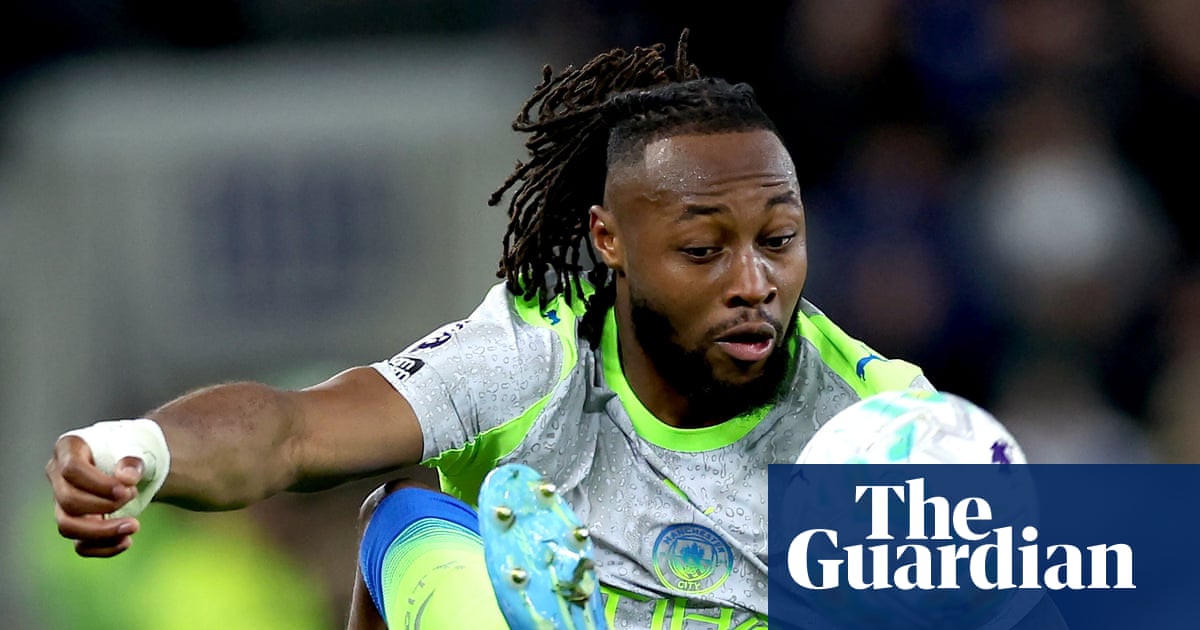
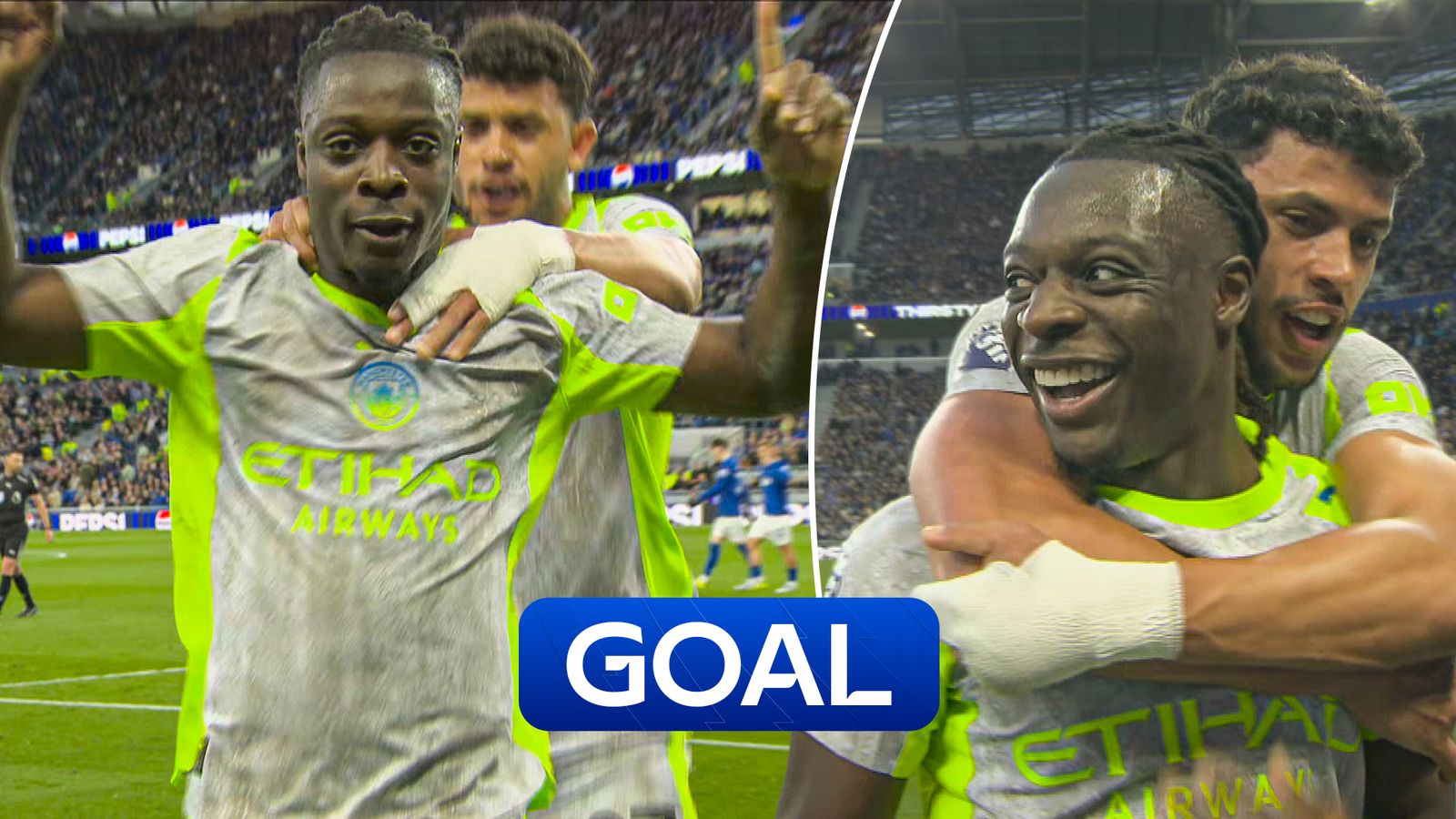
The Premier League title race rarely pivots on a full ninety minutes. It turns on moments of temporary insanity. Manchester City experienced exactly that at Everton.
A six-goal thriller is already an anomaly for this squad. But the madness that unfolded over 13 chaotic minutes in the second half—highlighted in the BBC's post-match analysis—was something else entirely. We are used to seeing this team slowly suffocate opponents.
They usually bleed the life out of a game with endless, methodical passing. That did not happen here. Instead, it was a complete structural disintegration.
City lost control of the tempo, the space, and ultimately, the narrative of their season. They were dragged into a street fight, and they completely forgot how to throw a punch.
When the transition defense breaks
The entire philosophy of City's dominance relies on rest defense. When they attack, players are positioned specifically to kill counter-attacks before they start. You pin the opponent back.
You circulate the ball from left to right. If you lose possession, you counter-press violently and win it back within five seconds. That system failed completely at Everton. The transitions were brutally fast.
City's midfield pivot was bypassed with single, vertical passes that cut right through the center of the pitch. The spacing between the center-backs and the midfield became a massive chasm.
Everton didn't just counter blindly. They countered with numerical parity. They drove straight into the heart of a retreating, panicked backline.
The center-back dilemma
Look at how City’s defensive line operates when forced to retreat. Their central defenders are instructed to step forward and aggressively engage the ball carrier. When they miss that initial interception, the entire line has to drop collectively to protect the penalty area.
During that chaotic spell, the coordination simply vanished. One defender stepped up recklessly while another dropped off too deep. It created jagged, uneven lines across the pitch.
Everton's attackers exploited those exact gaps mercilessly. They ran off the shoulders of hesitating defenders. City looked like a team that had completely forgotten its most basic defensive triggers.
Midfield isolation and the half-spaces
You cannot analyze a City collapse without looking at their midfield anchor. The central defensive midfielder is the engine of the entire operation. When forced to cover wide areas because the inverted full-backs are caught high up the pitch, the center of the park empties out.
Everton realized this instantly. They purposely attacked the flanks to draw the midfield out of the central channel. Once the pivot moved into the half-spaces to cover a transition, the middle was left wide open.
It is a brilliant tactical blueprint that upcoming opponents will absolutely copy. The middle third of the pitch was surrendered entirely, offering Everton a highway straight to the penalty box.
The psychological weight of the run-in
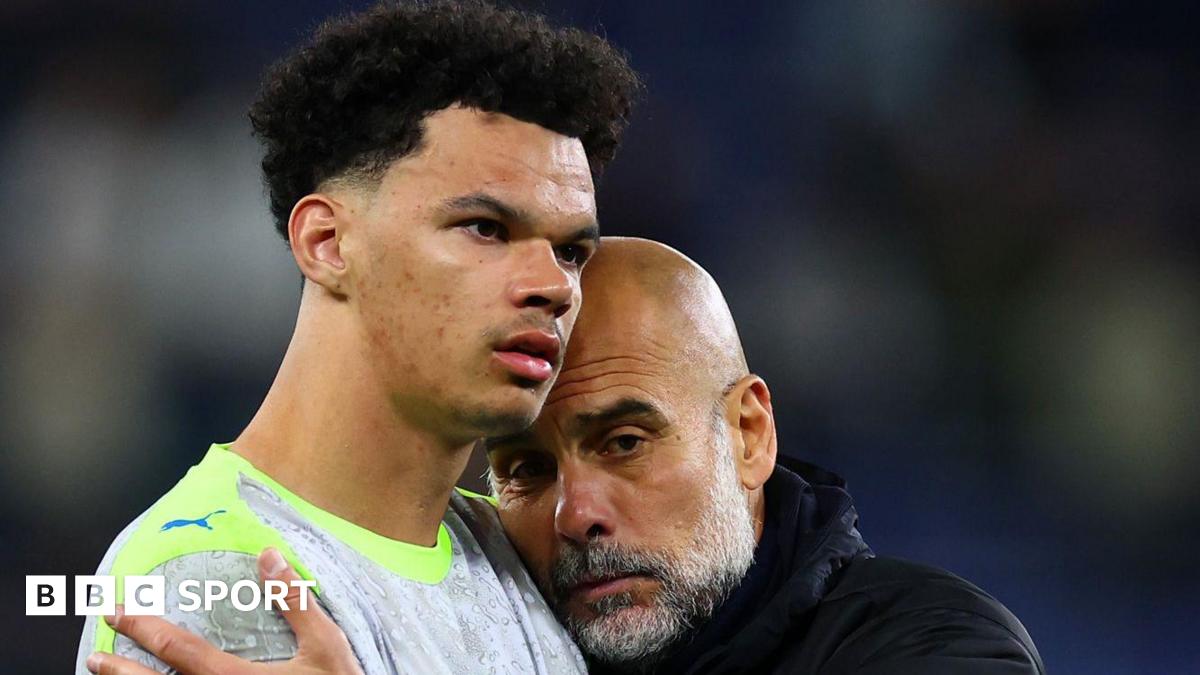
There is a distinct body language to a team that knows the title is slipping away from them. You saw it during those frantic minutes. Shoulders dropped visibly. Passes became hurried and sloppy.
The goalkeeper, usually the calmest and most composed man in the stadium, started rushing his distribution and kicking aimlessly long. Football is an intensely psychological sport.
When the crowd volume spikes dramatically and the opponent suddenly wins three consecutive physical duels, the meticulous tactical plan often goes straight out the window. City stopped playing their usual suffocating brand of football and started playing sheer panic football.
They abandoned their passing principles entirely. They rushed long balls and played directly into Everton's hands.
Exploiting the pressing traps
You have to credit Everton's tactical setup. They are often lazily stereotyped as a simple low-block side that just clears the ball long. That narrative completely ignores the sophisticated pressing traps they set in this match.
They purposely allowed City to hold the ball in non-threatening areas near the touchline. The trigger was always the square pass across the midfield. As soon as that specific pass was played, Everton collapsed aggressively on the receiver.
They won the ball facing City's goal with momentum on their side. That is the absolute most dangerous scenario for a high-line defense. It forces defenders to run back toward their own net while desperately tracking runners.
The vulnerability of the possession game
City absolutely hate basketball games. They despise end-to-end chaos. Their entire tactical identity is designed to pass the opponent into a state of hypnotic compliance.
When a game devolves into a wild slugfest, they are surprisingly fragile and vulnerable. They do not possess a chaotic, heavy-metal DNA. They are classical musicians suddenly forced into a violent mosh pit.
Everton happily dragged them down into the mud. For 13 staggering minutes, City simply couldn't find their way out of the blender. Every time they cleared the ball, it came right back with interest. They failed to manage the game state when the momentum shifted against them.
The wider implications for the title
What does this mean for the final stretch of the season? Title rivals will be watching the tape of this match on an endless loop. The terrifying aura of invincibility is officially gone.
If Everton can score multiple goals and create total chaos in such a tight window, what can other elite attacking teams do? The blueprint for hurting the champions is now public knowledge.
You have to be incredibly brave. You must be willing to leave attackers high up the pitch when defending deep. You must force City's center-backs into exhausted, desperate recovery sprints. You have to make them defend in wide channels where they are least comfortable.
The inevitable over-correction
City's historical weakness is over-thinking following a sudden loss of control. The technical staff will likely respond to this collapse by adding excessive defensive solidity for the next match.
We might see four natural center-backs deployed across the backline in their next fixture to prevent another transition disaster. Wingers will be strictly instructed to hold their width but take far fewer risks in possession.
The emphasis will return to sterile, safe passing patterns. But in doing so, City might severely blunt their own attacking edge. They need to win their remaining games to secure the trophy, not just control them safely.
The missing recovery pace
The major flaw in this current iteration of City is a glaring lack of elite defensive recovery speed. In previous successful title runs, sheer blinding pace bailed out their structural mistakes on a weekly basis.
A fast full-back could routinely run down an escaping winger from 20 yards behind to save the day. Without that get-out-of-jail-free card, the tactical shape has to be absolutely perfect at all times.
When it isn't perfect—as we saw so clearly during the second half at Everton—they instantly concede high-quality chances. They were punished for every minor positional error. The margin for error has vanished entirely at the worst possible time.
Final Prediction
City are wounded right now. Expect a massive, reactive tactical shift in their next outing. They will drop the defensive line deeper to protect themselves.
They will prioritize a clean sheet over expansive, entertaining football. I fully expect them to win their next fixture ugly. It will be a grinding, thoroughly joyless victory.
But the lasting damage inflicted by Everton goes far beyond just the immediate result on the scoreboard. It fundamentally impacts their internal belief. The title race is now a nerve-shredding ordeal for the reigning champions.
Because of those frantic minutes, I confidently predict City will fall just short this season. The structural cracks are simply too deep to hide.