The Tactical Reality Behind the Punditry
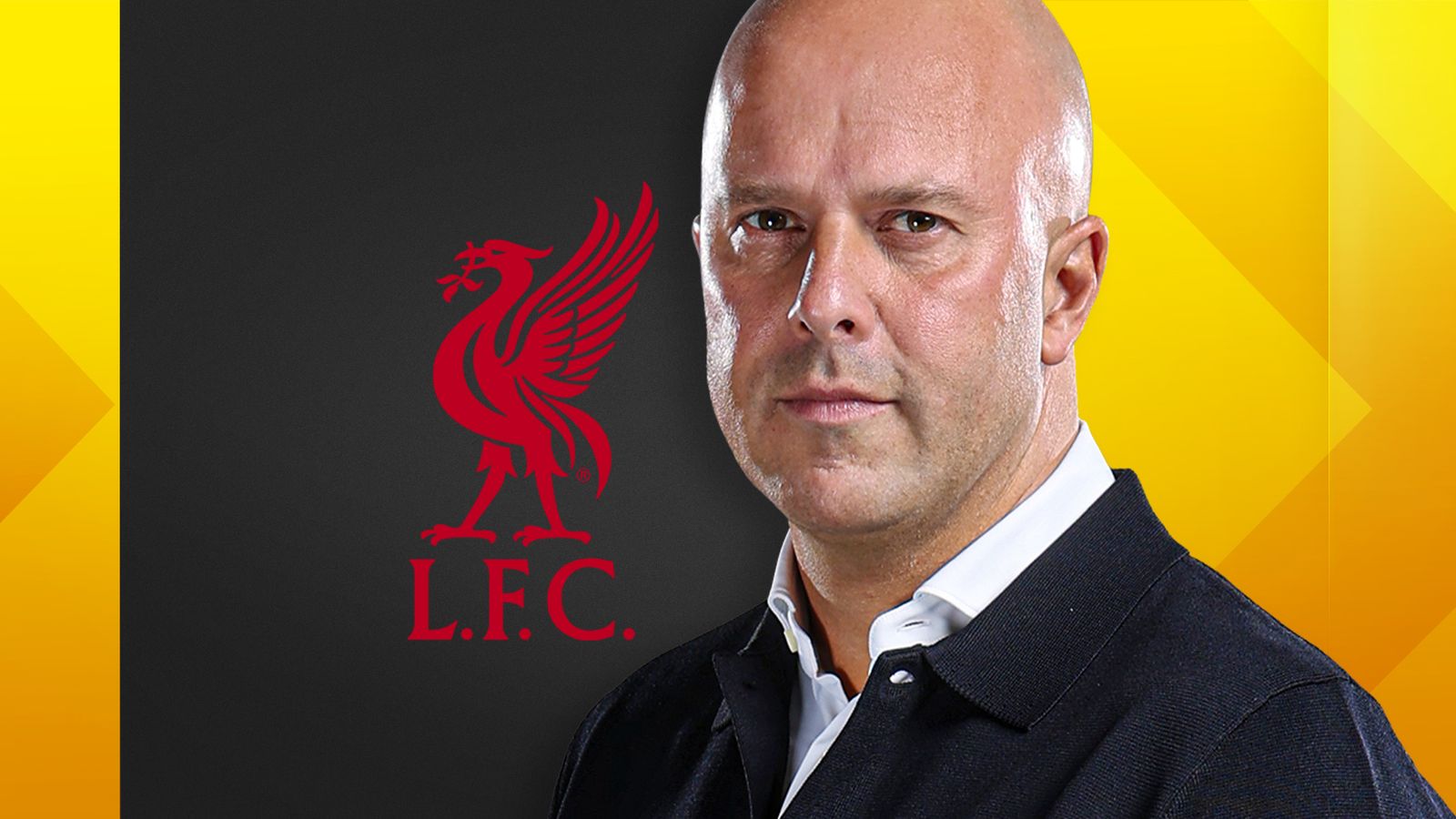
Paul Merson rarely operates in the realm of advanced analytics. When the Sky Sports pundit stated this week that Arne Slot faces an uphill battle at Anfield, he was relying on pure instinct.
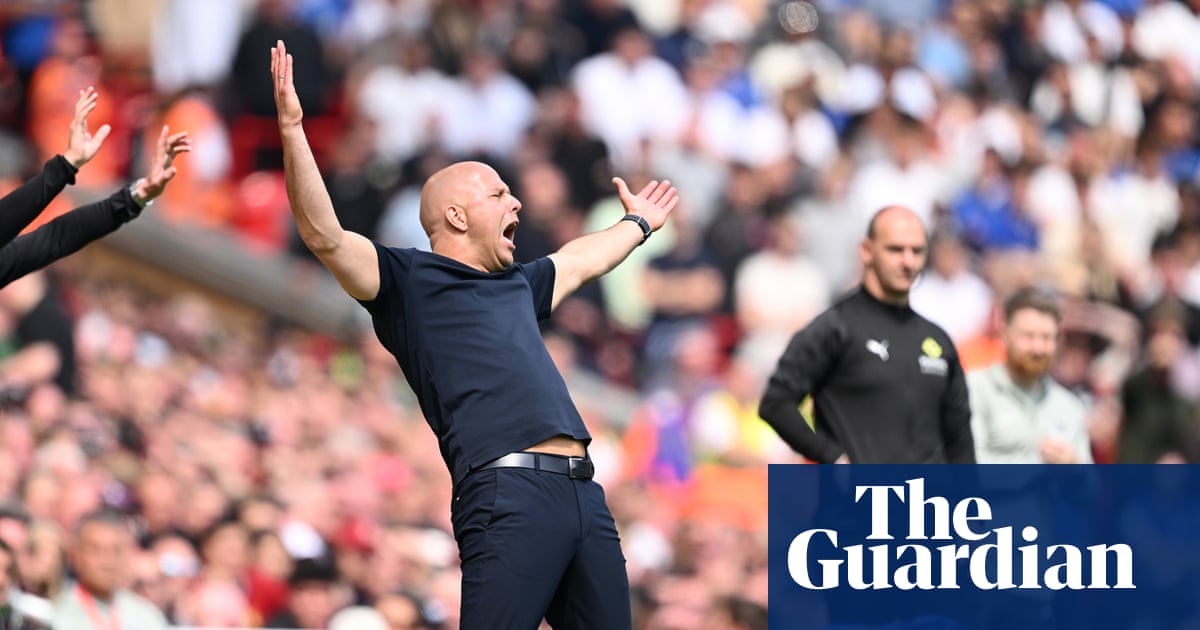
Arne Slot's up against it at Liverpool but they will finish higher than Man Utd next season
Merson sees a fragmented Manchester United side and a Liverpool squad that retains a baseline of tactical competence. His gut feeling aligns perfectly with the mathematical reality. The gap between these two clubs is no longer just about points on a board. It is entirely about spatial control and defensive transition mechanics.
To understand why United will trail Liverpool again, you have to dissect what happens when they lose the ball. As Sky Sports highlighted in their season preview segment, the structural differences are massive.
The Midfield Void at Old Trafford
The fundamental issue at Manchester United is a complete lack of vertical compactness. When you watch their defensive shape, the space between their penalty box and the center circle is a structural disaster. When United attempt to press high, their forwards sprint aggressively at the opposition center-backs. It looks energetic on television.
But the defensive line refuses to follow them. The center-backs drop deep, terrified of balls played over the top. This creates a gaping hole in the middle third. Opposing teams simply bypass the first line of pressure and find United's holding midfielders completely isolated.
You can track this back through the entire season. The distances between United's lines are staggering. They routinely operate with thirty to forty yards between their center-forward and their deepest defender. You cannot control a football match when your team is stretched across half the pitch.
Liverpool, under Slot, refuse to surrender that central territory. Slot demands a high defensive line regardless of the opposition. If the front three initiate a press, the midfield steps up instantly. The center-backs push into the opponent's half. The pitch is artificially compressed.
When Liverpool lose possession, there are immediately three bodies surrounding the ball carrier. The counter-press is functional precisely because the distances between the players are short. They do not have to sprint twenty yards to engage. They are already there.
Slot's Sterile Dominance and Anfield's Frustration
Merson is entirely correct in his assessment that Slot is "up against it" at Anfield. We need to be brutally honest about Liverpool's attacking output over the past few months. When teams sit in a low block, Liverpool's possession often degenerates into a sterile U-shape.
They circulate the ball from the left-back, through the center-backs, out to the right-back, and back again. The ball speed drops significantly. The incisive, chaotic vertical passes that defined the Jurgen Klopp era are missing. Slot prefers absolute control.
He wants his double pivot to dictate the tempo and completely minimize turnovers. But that control comes at a steep cost in the final third. Liverpool frequently struggle to break down deep-lying defenses without a moment of individual brilliance from wide areas.
They rely heavily on winning the ball high up the pitch to generate high-quality chances. When opponents refuse to play out from the back and instead hit long balls, Liverpool's primary method of chance creation is neutralized. They look bereft of ideas in settled possession against a disciplined block of eight defenders.
Merson watches this and rightly identifies a vulnerability. If Liverpool do not fix their final-third spacing and increase their risk appetite against bottom-half teams, they will drop careless points. The crowd grows restless when seventy percent possession yields exactly zero shots on target.
Build-up Shapes and Pressing Traps
The tactical divergence becomes most obvious when you analyze how both teams construct play from their own penalty area. United insist on building out from the goalkeeper, but their shape is easily trapped. They split the center-backs wide and push the fullbacks high up the touchline.
One midfielder drops deep to receive. The opposition simply goes man-to-man. They cut off the passing lanes to the wide areas and aggressively jump on the isolated holding midfielder. United's response to this pressure is erratic at best.
Sometimes they attempt to force a highly dangerous pass through the center of the pitch, leading to immediate transitions. Other times, the goalkeeper panics and hits a hopeful, sweeping long ball toward the wings. There is no automated escape route. The patterns of play are completely uncoordinated.
Liverpool's build-up is far more methodical. Slot typically uses an inverted fullback to create a three-man midfield base. This overload centrally forces the opposition to narrow their pressing shape to prevent passes through the middle. Once the opponent tucks inside, Liverpool exploit the flanks.
It is a simple mathematical advantage. Liverpool create a three-versus-two or a four-versus-three in the center of the pitch. They draw the pressure, bypass it with quick, one-touch passing, and immediately attack the exposed defensive line. They consistently complete over 88% of their passes in their own half.
The Pivot Discrepancy
Look at how Liverpool utilize their number six compared to United. Slot asks his deepest midfielder to hold a strict positional discipline. They act as a pendulum, swinging the ball from left to right while remaining anchored ahead of the center-backs. They do not chase shadows.
If the opposition counter-attacks, the Liverpool pivot delays the transition. They foul if necessary. They buy time for the advanced eights to recover their defensive positions. It is cynical, but it is highly effective tournament football translated to a league format.
United demand entirely different things from their pivot. The holding midfielder is expected to press high, cover the wide channels, and somehow protect the center-backs simultaneously. It is an impossible physical demand. They are routinely bypassed with a single vertical pass.
When that pass breaks the line, the United defense is entirely exposed. You see center-backs desperately backpedaling while opposing forwards drive directly at the penalty box. This exact sequence has played out dozens of times this season, costing them massive points against lower-tier opposition.
The Upcoming World Cup Factor
We also have to factor in the current calendar. It is mid-May. The FIFA World Cup in North America kicks off in exactly 30 days. Squads are mentally exhausted. Players are subconsciously protecting themselves from injury, desperate to avoid missing a career-defining tournament.
The intensity levels across the league have visibly dropped over the past three weeks. But structural integrity survives physical fatigue. A team with a defined pressing trigger and compact distances can function effectively at eighty percent physical capacity.
A team that relies on individuals sprinting fifty yards to cover defensive gaps cannot survive a drop in energy. United's chaotic style requires superhuman effort to sustain over ninety minutes. When the legs get heavy, the entire system collapses.
Liverpool, conversely, can fall back on their possession structure to dictate the tempo. They rest on the ball and force the opposition to do the running. This dynamic is exactly why the trajectory is firmly set heading into next season.
A Predictable Outcome
Manchester United are consistently trying to solve structural problems with individual talent. They scour the market for a midfielder who can cover the entire pitch alone. They want a center-back who can defend on the halfway line and ping diagonal passes to the wingers. These mythical players do not exist.
Both clubs will likely spend heavily in the transfer market after the World Cup concludes in July. New faces will arrive in August. But throwing expensive signings into a dysfunctional tactical framework rarely solves the underlying issues.
Liverpool are building a system that elevates competent players. They mask their defensive deficiencies by dominating the ball and restricting the opponent's transition opportunities. Slot will face intense scrutiny every time his team draws a blank against a relegation candidate.
The local press will sharpen their knives when the build-up looks sluggish. But across a grueling thirty-eight game season, tactical coherence wins out. The baseline points accumulated from simply having a functional structure will propel Liverpool forward.
United will continue to swing wildly between brilliant counter-attacking victories against top teams and catastrophic defensive collapses against the mid-table. My prediction is simple. Arne Slot will endure rough patches, and Anfield will grumble about the lack of heavy metal football.
But the math is undeniable. Liverpool will finish at least 12 points ahead of Manchester United next season. They will comfortably secure Champions League football, while United are left scrapping for the minor European spots, wondering why another massive summer spend failed to fix a broken midfield.
Read Next