The math behind the madness
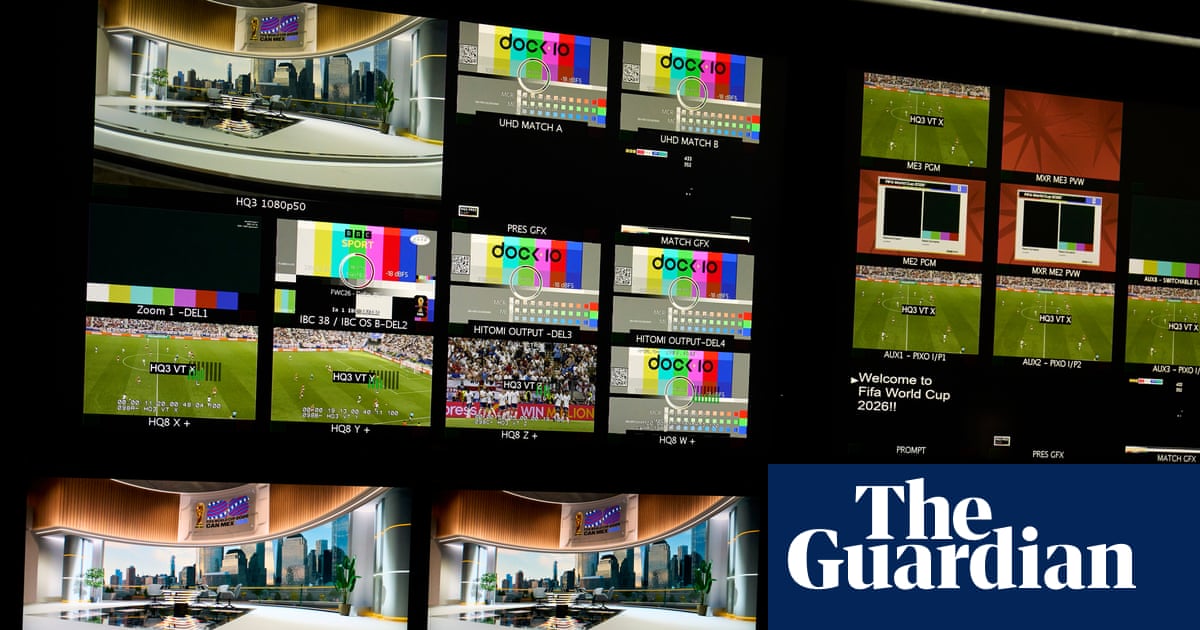
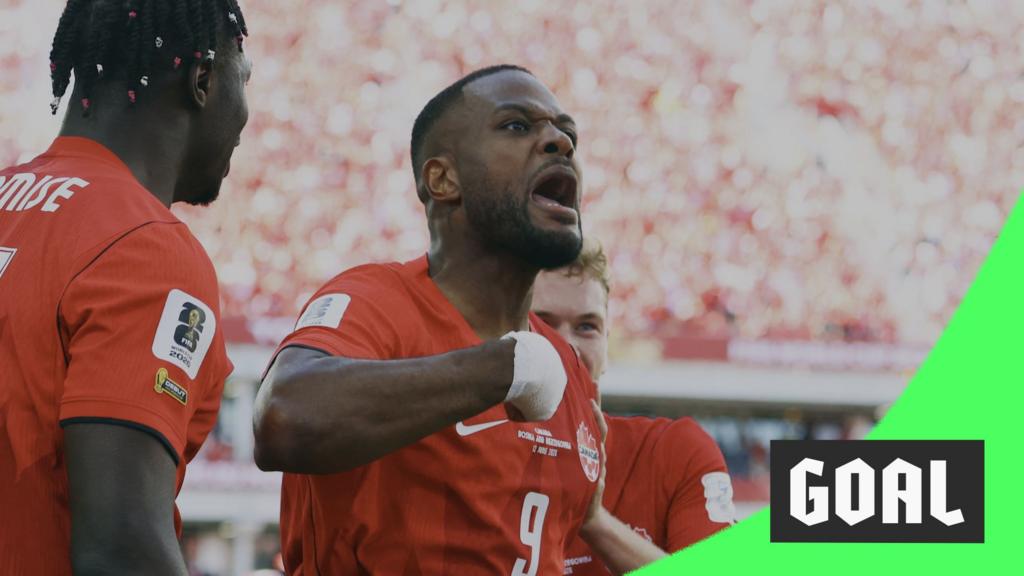
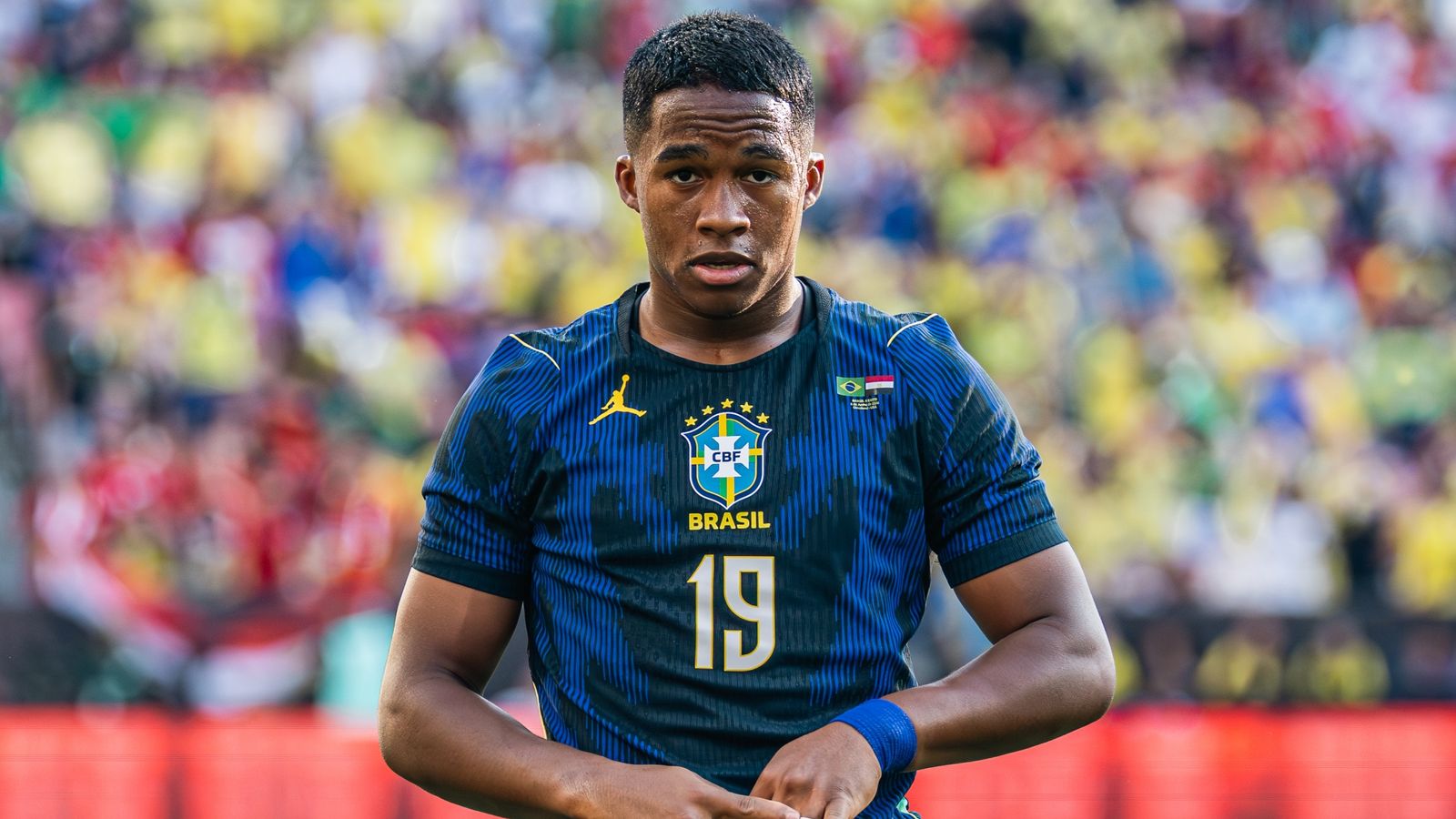
Tomorrow, the 2026 World Cup kicks off. We are moving from a standard 64-match rhythm to a 104-match marathon. The structural volatility here is unprecedented. In 2022, Morocco arrived with a 200-1 price tag and proceeded to play with a level of tactical discipline that suffocated the elite. They conceded only one goal in their first five matches. That kind of defensive resilience is exactly what this bloated format will punish.
As Sky Sports reports, the buildup has been dominated by noise—tickets, logistical hurdles, and administrative drama. Lost in the shuffle is the reality that 48 teams bring tactical dilution. The gaps between the tournament favorites and the bottom-tier entrants will manifest as lopsided transitions, forcing managers into high-risk pressing traps that lead to fatigue by the Round of 32.
The governance disaster
FIFA’s administrative rot is a genuine concern for the opening week. The exclusion of Somali referee Omar Artan from the officiating pool, despite his strong standing in CAF circles, is a signal of institutional decay. When the officiating standards are inconsistent, you get tactical volatility. Referees who haven't built a rapport with the global player pool will default to whistle-happy games, killing the flow for teams that rely on sustained possession or high-line pressing.
Expect the group stage to be a minefield of referee-induced stoppages. If you have a team that relies on a rhythmic build-up through the half-spaces, bet on them struggling against the disjointed nature of these matches. The disruption gap is real, and it favors the teams with deep rosters rather than the teams with the best systems.
The prediction
My model suggests we are headed for a tournament dominated by tournament football's ugly cousin: opportunistic transitions. While everyone is discussing the favorites, keep an eye on the defensive mid-table teams that manage their squad rotation best. Teams that can field two distinct starting elevens without a drop in xG output will have a massive edge by the mid-point of the tournament.
The winner here won't be the most skilled side. It will be the side that survives the travel logistics and the officiating inconsistency with their starting XI intact. I'm backing a dark horse to lift the trophy this summer because the traditional 'big' nations are too top-heavy to withstand the physical toll of 104 matches. Watch for a team that prioritizes a low block and verticality—the high-pressing outfits will burn out by the quarterfinal stage.
Read Next
- Thomas Tuchel must solve England's Harry Kane dependency before kickoff
- The World Cup kickoff is here and the ghost of 2010 is still haunting us
- Omar Artan banned from US as World Cup officiating takes a hit
- The World Cup's missing referee shows the human cost of administrative failure
- 🏆 World Cup 2026 — Full Coverage Hub