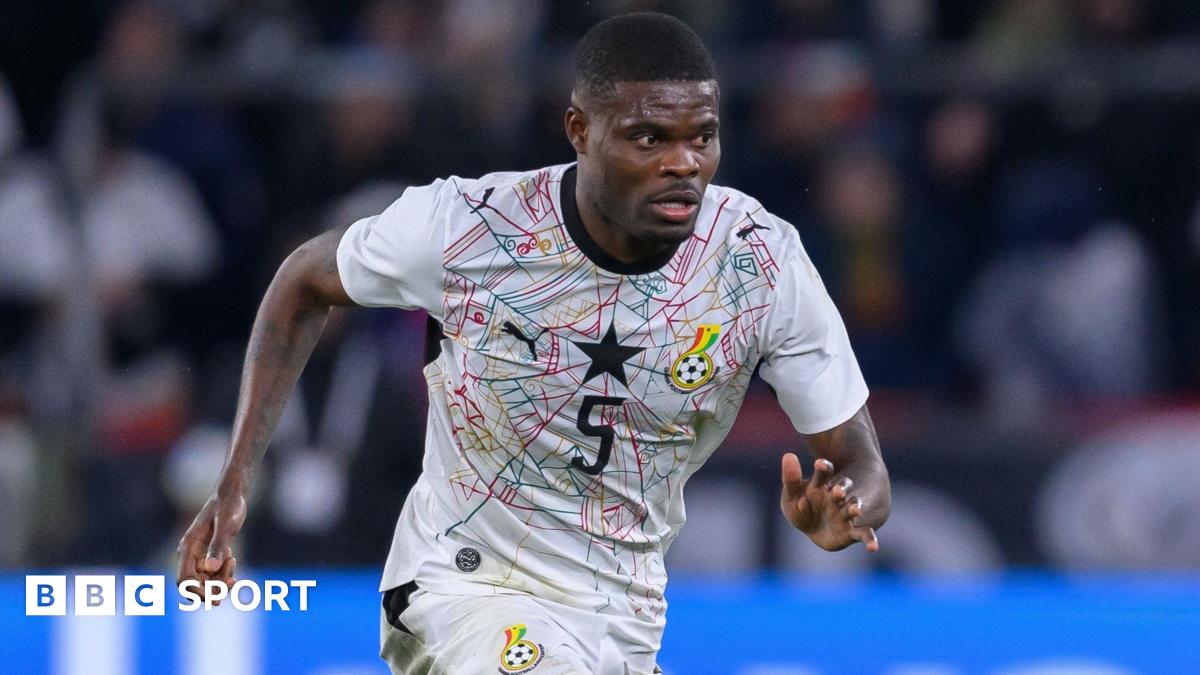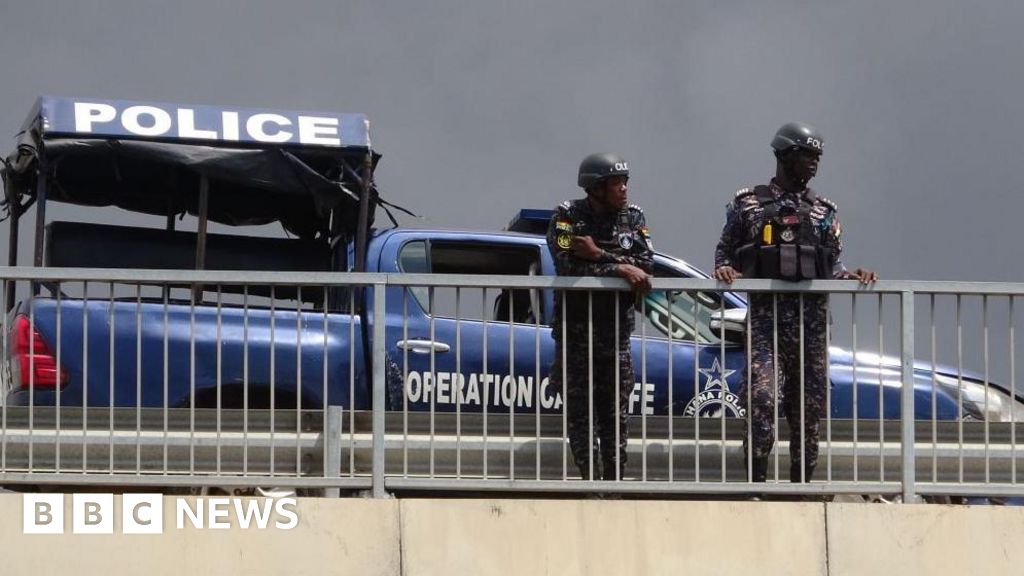
The news out of Ghana today stops you cold. As reported by the BBC, a Ghanaian footballer was killed in an armed attack while his team was returning from a domestic fixture. Officials confirmed the ambush happened on the road.
It is a sickening, infuriating headline. It is also a brutal indictment of the travel logistics that domestic players are forced to navigate on a weekly basis.
We spend so much time analyzing formations, inverted fullbacks, and expected goals. We treat football like a sterile chess match played on pristine grass. We forget the grim reality that exists outside the hyper-wealthy European bubble.
When a team gets on a bus after a grueling away fixture, they are exhausted. They are isolated. The route back to their home city is often predictable, stretching across poorly lit, unsecured highways. They are sitting ducks.
The vulnerability of the away day
Football travel is an operational nightmare at the best of times. In the Premier League, clubs mitigate this with extreme wealth. They use private charters. They employ advance security teams to sweep hotels. They have police escorts clearing traffic from the stadium to the tarmac.
In domestic leagues operating on tighter margins, those luxuries do not exist. Clubs survive on gate receipts and modest television deals. To save money, they skip hotels. They opt to drive straight back after an evening kickoff, rolling through the night to avoid an extra day of expenses.
That financial calculus just cost a player his life.
This is the reality of the sport that governing bodies refuse to confront. They demand professional standards on the pitch, but they turn a blind eye to Sunday League logistics off it. A club cannot be considered professional if it cannot guarantee the basic physical safety of its employees during mandated travel.
The tactical and psychological toll
It is impossible to analyze a team's tactical setup when their primary objective is survival. Managers spend all week drilling defensive shapes and transition patterns. They want their players focused entirely on the 90 minutes of football.
But how do you ask a center-back to focus on tracking a runner when he spent the last six hours crammed into a sweltering bus, scanning the dark highway for potential threats? The mental fatigue destroys tactical discipline before the whistle even blows.
The drop-off in away performance in these leagues isn't just about crowd noise or unfamiliar pitches. It is directly tied to the grueling, dangerous reality of the commute. Players are trapped in a state of hyper-vigilance. You cannot execute a high line when your nervous system is completely fried from the journey.
Echoes of past tragedies
We have seen this terrifying script play out before. The football bus is a uniquely exposed target.
Think back to January 2010 in Angola. The Togo national team was ambushed in Cabinda ahead of the Africa Cup of Nations. Machine-gun fire ripped through their convoy for 30 minutes. Three people died. Players like Emmanuel Adebayor were forced to hide under their seats in blood-soaked gear.
Think of April 2015 in Turkey. The Fenerbahçe team bus was fired upon while traveling toward the airport in Trabzon. The driver was shot in the face. A catastrophe was only averted because the bus was somehow brought to a halt before careening off a bridge.
Think of April 2017 in Germany. The Borussia Dortmund team bus was hit by three roadside bombs ahead of a Champions League quarter-final. Marc Bartra suffered a fractured wrist. UEFA, in a staggering display of callousness, forced Dortmund to play the fixture just one day later.
In every instance, the football authorities reacted with shock. In every instance, the fundamental vulnerabilities remained unchanged.
The failure of the governing bodies
This brings us to the Ghanaian Football Association. Over the next 48 hours, they will release a heavily sanitized statement. They will offer condolences. They will mandate a moment of silence before the next round of fixtures.
It is empty, performative nonsense.
The FA has consistently failed to mandate and fund basic minimum security standards for domestic transit. You cannot simply tell clubs to fulfill their away fixtures without providing the logistical framework to keep them alive. If a league cannot afford to secure its players, it has no business operating a nationwide calendar.
This financial disparity is the dirty secret of global football. FIFA hands out massive development grants to national federations every cycle. Where does that money go? It certainly does not go toward securing the domestic travel routes for the clubs that actually develop the national team's future stars. The audits following this tragedy will be brutal, and they will likely expose a staggering lack of investment in basic safety measures.
The legal and union response
FIFPRO has been warning federations about this for years. They publish endless reports on player working conditions in Africa, Eastern Europe, and South America. These reports are universally ignored by executives in tailored suits who have never had to take a sketchy transit route in their lives.
There is massive legal liability here. If a club mandates that a player boards a specific bus at a specific time, and that bus is attacked on a known high-risk route, the club and the league are culpable. We are going to see wrongful death litigation stem from this. That will terrify the FA far more than any moral argument ever could. Money is the only language they speak.
Predicting the immediate fallout
So, what happens next? I am not going to hedge this. The situation will escalate rapidly, and the league is heading for a total shutdown.
First, expect the players to refuse to play. You cannot ask a squad to board a bus this weekend when one of their peers was just murdered doing the exact same thing. The domestic players' union will step in immediately. They will issue a strike mandate, instructing every single registered professional to stay home. There will be no training sessions, no promotional appearances, and certainly no travel.
Second, the FA will attempt a weak compromise. They will suggest moving kick-off times or offering local police escorts. The clubs will reject this, knowing local escorts in remote areas are often underfunded and unreliable.
My prediction is absolute: The Ghanaian domestic league will be suspended for a minimum of four weeks.
When the football finally resumes, it will look drastically different. Night travel will be completely banned by the federation. Fixtures involving high-risk travel routes will be moved to localized, neutral hubs. The financial burden of this will bankrupt at least two lower-tier clubs before the end of the year, because the FA will refuse to subsidize the emergency changes.
A reckoning for the sport
We are exactly 59 days away from the start of the 2026 FIFA World Cup. The global spotlight is about to shine entirely on the pinnacle of the sport's wealth and glamour.
But this tragedy in Ghana is the actual reality for the vast majority of professional footballers. They are workers. They are vulnerable. And until the governing bodies stop treating security as an optional luxury, more players will pay the ultimate price for simply doing their jobs.
The media also bears responsibility. We treat these incidents as isolated freak occurrences rather than systemic failures. We write a somber column, post a graphic on social media, and then immediately pivot back to predicting tomorrow's UCL Quarter-Finals.
I refuse to do that today. You cannot look at the impending tactical clash in Europe—where Manchester City and Real Madrid will arrive in heavily fortified armored convoys—and not feel sick about the disparity. The sport generates billions of dollars globally. The fact that a domestic league player can be shot to death on a team bus is a grotesque failure. The players will strike, the league will stop, and the entire logistical playbook must be torn down.
Read Next
- Ghanaian footballer killed in armed ambush on team bus
- Tottenham's season is dying and Wolves are coming to bury it
- Brian Brobbey and Cristian Romero are turning the Premier League into a UFC prelim
- Brobbey shoving Romero is peak Premier League nonsense
- 🇬🇭 Ghana World Cup 2026 — Black Stars Hub
- 🏴 WC 2026 Group L — England, Croatia, Ghana, Panama