The hype train has left the station and the brakes are broken
We are exactly 37 days away from the World Cup kicking off on North American soil. The casuals are waking up. Your coworker who calls it "offsides" is suddenly wearing a retro 1994 denim kit to the office. The American soccer machine is firing up the hype thrusters. Honestly, it is exhausting. Everyone expects Mauricio Pochettino to magically turn this squad into 2011 Barcelona just because they are playing in front of 70,000 screaming fans in Los Angeles and Seattle.
Let's get a grip on reality right now. Winning a World Cup group is supposed to be hard. The expanded 48-team format means the math is slightly more forgiving for advancing. But winning the group outright? That means three games of actual, consistent football. Have you watched the USMNT over the last two years? Consistency is a foreign concept. They look like world-beaters for forty minutes. Then they spend the rest of the match defending like a local pub team that had too many pints before kickoff.
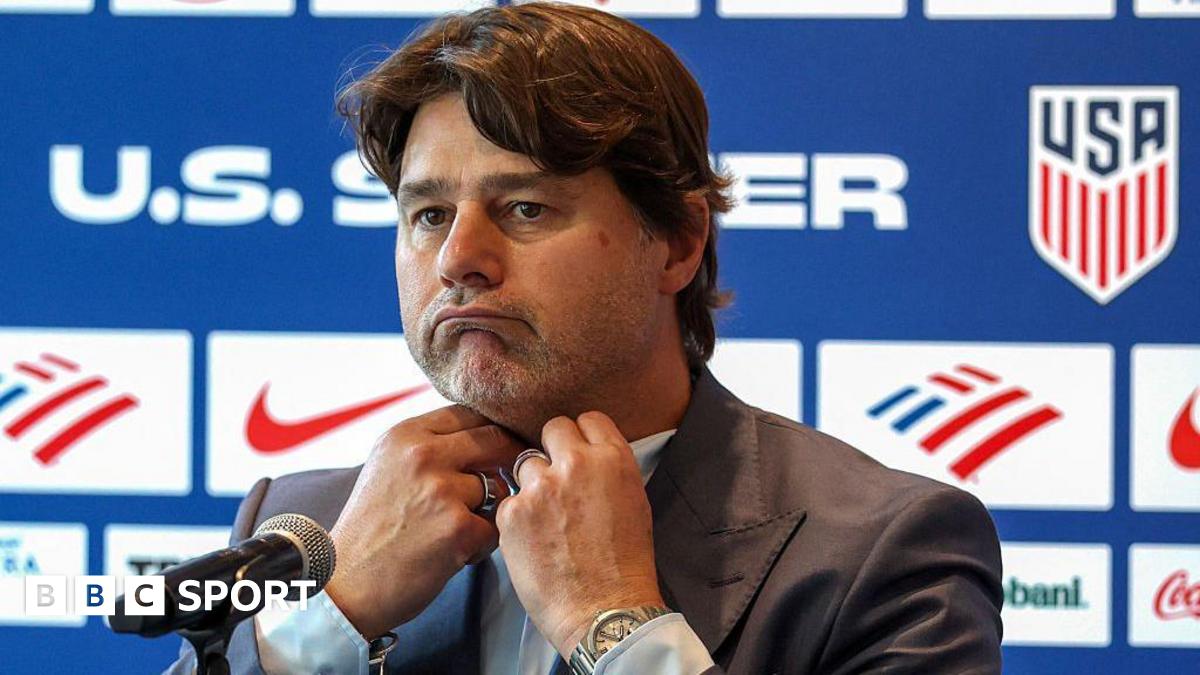
Pochettino has changed the mentality. I will give him that. He walked into a locker room that was entirely too comfortable under Gregg Berhalter and instituted actual accountability. But motivation only gets you so far when you are staring down elite international competition. If they want to top this group and secure a favorable draw in the knockout rounds, they have to win the tactical battles on the grass. Frankly, there are massive red flags staring us right in the face.
Battle Zone 1: The fragile midfield engine room
You cannot talk about the USMNT without immediately sweating over Tyler Adams. The man's hamstrings are a matter of national security at this point. When Adams is fully fit and destroying attacks, the USA can hang with anyone. He covers ground, he breaks lines, and he protects the center backs. What happens when he inevitably needs his minutes managed? We have seen the drop-off.
Weston McKennie and Yunus Musah are brilliant ball carriers. McKennie will win every header in the box. Musah can dribble out of a phone booth. But neither of them is a true defensive anchor. Pochettino demands a high press. He wants his midfielders suffocating the opposition in their own third. If the press gets bypassed, the midfield gets totally overrun. We saw it in the friendlies. Teams with a competent number ten will find the gaps behind McKennie if Adams is not there to plug the holes.
This is my biggest criticism of Pochettino's tenure so far. He stubbornly refuses to adapt the system when the personnel changes. If Johnny Cardoso comes in for Adams, Poch still asks him to play the exact same role. Cardoso is a great player for Betis, but he is not a pure destroyer. You cannot just swap parts and pretend the engine runs the same. If the US goes down a goal early in the group stage because of a midfield breakdown, the panic is going to be immense.
Battle Zone 2: The Pulisic reliance on the left flank
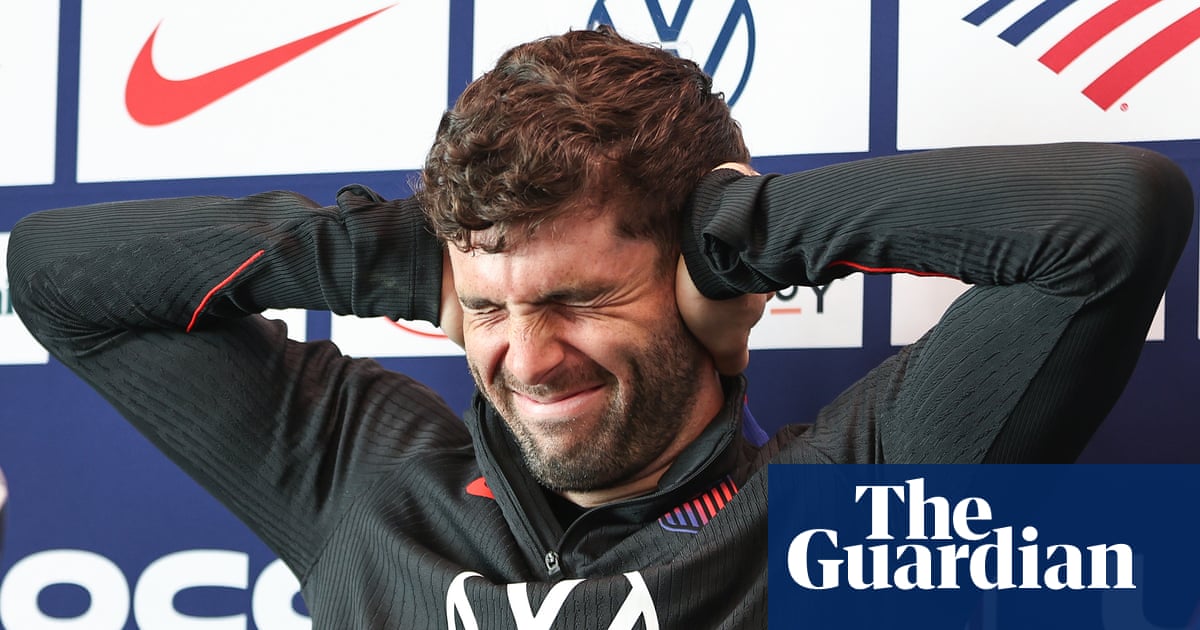
Christian Pulisic is having the absolute time of his life in Milan right now. He is creating, he is scoring, and he finally looks like the player Chelsea thought they were buying years ago. When the USMNT attacks, everything flows through the left side. Antonee Robinson overlaps, Pulisic tucks inside, and they try to overload the box.
Here is the problem. Every scout on the planet knows this. Opposing managers are going to double-team Pulisic and dare Tim Weah or Gio Reyna to beat them on the right. Weah has top-end speed, but his final ball is still maddeningly inconsistent. Reyna has the vision of a savant. Unfortunately, he wants the ball at his feet in the middle of the pitch, not hugging the touchline.
If the USA wants to win their group, they need a secondary scoring threat that does not involve Pulisic performing a miracle. Folarin Balogun has to be that guy. Balogun makes some of the most intelligent runs of any striker the US has ever had. He peels off the shoulder of the center back beautifully. His finishing? It is a coin flip. He will bury a stunning volley and then shank a one-on-one straight at the keeper three minutes later. You do not get five chances a game in a World Cup. You get one. He has to take it.
Battle Zone 3: The center back horror show
Let's address the elephant in the room. The United States does not have a world-class center back. They do not even have a consistently great one. Chris Richards has all the physical tools, but he still loses focus at the worst possible moments. Cameron Carter-Vickers is a tank. Put him against a tricky, technical forward and he turns like an ocean liner.
Pochettino wants to play a high line. Playing a high line with center backs who lack elite recovery speed is basically asking to get punished on the counter. Every time the opposition clears the ball over the top, I hold my breath. Matt Turner is a solid shot-stopper, but he is absolutely dreadful with the ball at his feet. If Poch forces Turner to play out from the back under pressure during a tight group stage match, we are going to concede a comical goal.
This is where the tactics need to meet reality. You cannot play prime Tottenham football with a backline that gets easily spooked. The defense needs protection. If the fullbacks are pushed high up the pitch, the center backs are completely isolated. Watch how the European and South American teams exploit this. They will bait the US press, bypass the midfield, and isolate their wingers one-on-one against Richards and CCV. It is a recipe for disaster if they do not tighten it up.
The SoFi Stadium advantage is real
Despite all the tactical flaws and the defensive nightmares, the home-field advantage cannot be ignored. Playing in front of a packed house in Los Angeles and Seattle is going to inject a ridiculous amount of adrenaline into this squad. The noise inside SoFi Stadium when the USMNT walks out of the tunnel is going to be deafening.
Opposing teams are going to feel that pressure. The travel, the time zones, the hostile crowds. It all adds up. The USA has historically played with a massive chip on their shoulder as underdogs. Now, they are the hosts. They are expected to dominate. That psychological shift is massive. Pulisic, McKennie, and Adams have played in massive European finals. They will not shrink from the moment. The question is whether the younger guys can handle the spotlight without melting down.
The energy of the crowd can carry a team through a rough patch. It can also turn toxic if things go south. If the US goes into halftime down a goal in their opening match, the tension in the stadium will be thick enough to cut with a knife. Pochettino needs to manage the emotions just as much as the tactics.
The final group stage verdict
So, do they win the group? Yes, but it will not be pretty. I expect them to scrape out a chaotic 2-1 victory in their opener. They will largely rely on a moment of individual brilliance from Pulisic or a set-piece header from McKennie. The second match will be a frustrating tactical stalemate. They will dominate possession but fail to break down a low block, resulting in a tense draw.
It will all come down to the final group game. By then, the math will be clear. They will need a result, and they will get it, purely out of desperation and sheer willpower. They will finish top of the group with something like seven points, but we will all age ten years in the process.
The real test begins in the knockout rounds. Surviving the group is the bare minimum expectation. If they get exposed in the Round of 32 because Pochettino refuses to drop his high line against a counter-attacking powerhouse, the inquest will be brutal. Enjoy the next 37 days of blind optimism, folks. Once the whistle blows on June 11, the anxiety officially begins.
Read Next
- The Azteca awaits but Mexico's World Cup opener feels like a terrifying trap
- Mexico is staring down a nightmare in the World Cup opening match
- Why England's defensive balance remains a World Cup mystery
- A trip to Anfield might be the last thing Chelsea need right now
- 🏆 World Cup 2026 — Full Coverage Hub
- 🇺🇸 USMNT World Cup 2026 — Team USA Coverage Hub
- ⚽ MLS 2026 Season Hub — World Cup Year Guide