The machinery behind the gala
The glitz of a London award ceremony is usually where football loses its soul. You get the red carpets, the forced smiles, and the endless parade of executives taking credit for the sweat of athletes. Tonight’s Women’s Football Awards could easily fall into that trap.
But if you look past the champagne flutes, there is a brutal, necessary machinery at work. This is not just a celebration of talent. It is an investor pitch.
Look at the headlines dominating the build-up. As the Metro reported, major brands are throwing severe financial weight behind the event in London. This is the metric that actually dictates the survival of the modern sport.
For years, women’s football survived on goodwill, charity, and vastly undersized budgets. That era is completely dead. We are now in the cold, calculated era of return on investment.
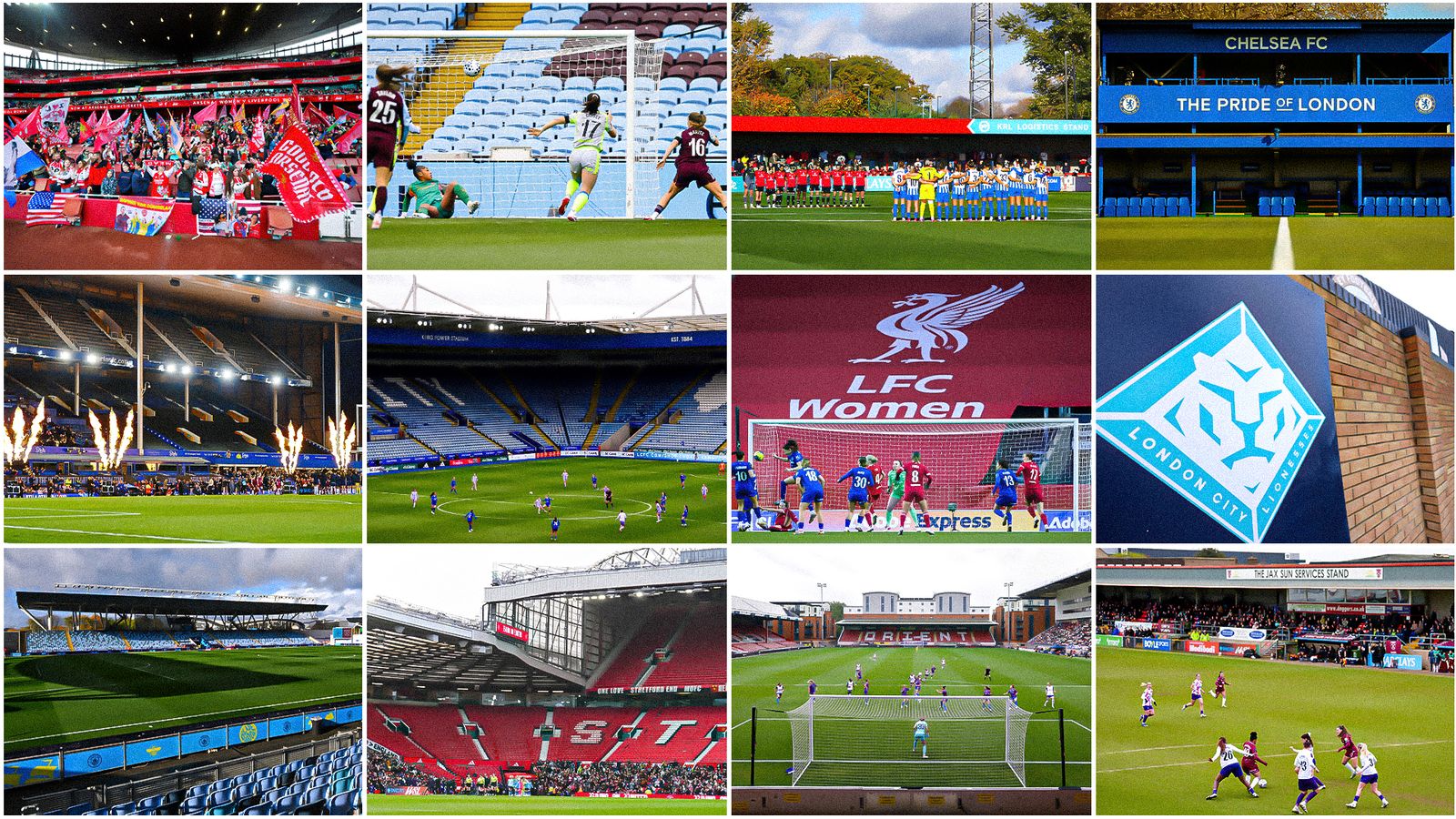
Corporate sponsors aren’t stepping up out of the kindness of their hearts. They are looking at the broadcast numbers. They see the ticket sales at the Emirates. They analyze the engagement metrics and realize they are heavily under-indexed in a booming market.
The brands want access to this massive audience. In return, the sport desperately needs their capital to fund the next necessary phase of professionalization.
The royal stamp and institutional hypocrisy
Prince William’s involvement adds another layer of institutional validation. His message of thanks to the stars powering this growth makes for flawless public relations. As the President of the FA, his stamp of approval is the ultimate green light.
It signals to highly conservative corporate boards that the sport is a safe, premium investment vehicle. But let’s not pretend the FA’s history with this sport is a neat fairy tale.
The royal endorsement looks great for the cameras. However, the reality of how the governing body treated the women's game for the better part of a century is far uglier. The FA is effectively celebrating a house they tried to burn down.
Which brings us to the most significant announcement of the night. It isn't a massive broadcasting deal or a shiny new sponsorship package. It is the long-overdue honoring of the Manchester Corinthians.
If you don’t know who the Corinthians are, you simply do not understand the historical debt this sport owes. As highlighted in the recent press run, they are finally getting their moment on the stage.
Formed in 1949 by Percy Ashley, they were a rogue operation. They had to be. The Corinthians toured the globe, playing in front of tens of thousands of people in South America, Portugal, and Germany.
They raised massive amounts of money for charity. And they did all of this while the FA was actively enforcing a ruthless ban on women playing on any affiliated pitches.
The theft of fifty years
Think about the sheer audacity of that ban. The FA effectively outlawed the women’s game in 1921, claiming football was medically unsuitable for females.
That targeted ban lasted for 50 years. It systematically dismantled a thriving sport that regularly drew larger crowds than the men's matches during the First World War.
The FA saw women drawing crowds of over 50,000 at Goodison Park in 1920. They saw a working-class movement generating serious revenue. Instead of regulating it, they suffocated it.
Every single struggle the modern game faces regarding stadium availability, broadcast slots, and fan culture traces directly back to that specific boardroom decision.
So yes, it is fantastic that the Corinthians are getting their flowers in London tonight. But it is impossible to ignore the bitter irony of the situation.
The establishment is handing an award to the exact women who had to defy that very establishment just to kick a football. It took decades of institutional neglect to bury their legacy.
The FA owes these women far more than a polite round of applause and a glass trophy. They owe them a direct apology for stealing half a century of technical and commercial progress. The meaning behind these awards goes beyond simple recognition. It is a measurement of the power the players have clawed back.
Tactics, money, and the breaking point
Let’s break down what that corporate money actually buys on the pitch today. You cannot decouple finance from footballing quality.
Ten years ago, tactical analysis in the women's game was severely limited by poor camera angles and minimal data collection. Today, the top clubs employ entire departments of analysts parsing expected threat and pressing triggers.
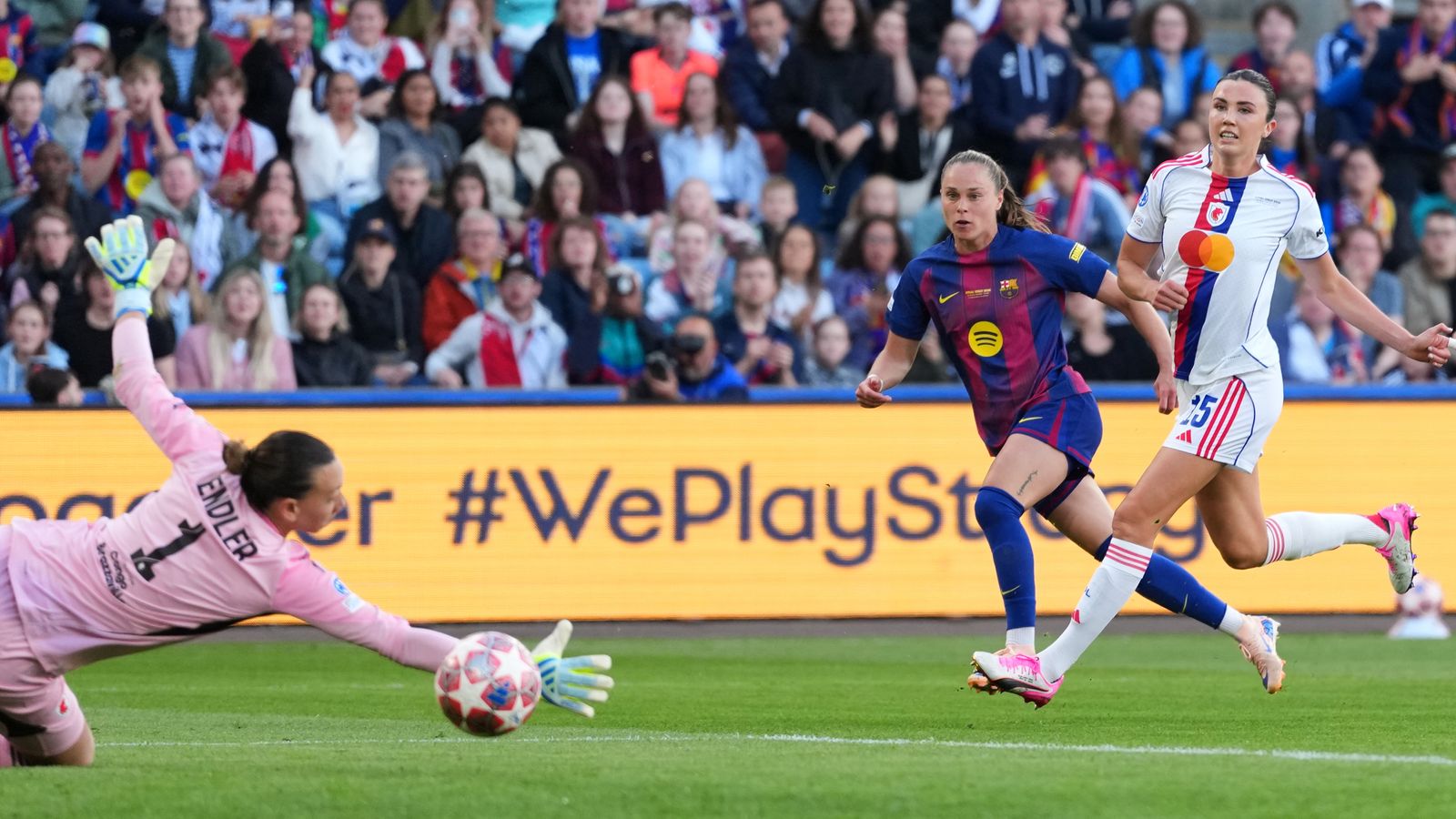
You can see the dramatic evolution in how teams build from the back. Goalkeepers are no longer just shot-stoppers. They are expected to break the first line of the press with pinpoint distribution.
This tactical shift requires extreme technical proficiency. You only get that proficiency through thousands of hours of elite coaching. You only get that coaching when a brand writes a massive check to underwrite the academy.
We are seeing faster transition play. We are seeing significantly higher pressing intensities. The defensive structures in the WSL are vastly more sophisticated than they were five years ago.
All of this happens precisely because the revenue floor has been raised. Tonight’s awards absolutely validate that specific economic shift.
But there is a massive trap here. As the corporate money flows in, the disparity between the top and bottom of the pyramid widens at an alarming rate.
The top-tier clubs in England are operating in a completely different financial stratosphere compared to the Championship. If the brands only flock to the glittering London ceremonies and the Champions League contenders, the grassroots system will collapse.
The cutthroat future
The real value of these awards isn't the individual accolades handed out on stage. It is the networking happening off-camera in the VIP lounges.
This is where broadcast executives sit down with brand managers. They hammer out the commercial frameworks that will fund the next massive television rights cycle. It is an arms race wearing a tuxedo.
Every football agent in the room knows the stakes perfectly well. The next wave of player contracts will be negotiated based on the market temperature tested at events exactly like this one.
If the corporate appetite is as ravenous as the pre-event PR suggests, we are looking at massive wage inflation in the WSL over the next 24 months.
That brings a totally new level of pressure. When the money goes up, the margin for error completely disappears. Managers will be sacked faster. Players will be ruthlessly replaced rather than patiently developed.
The sanitized, heavily protected marketing wrapper around women’s football is going to be tested severely. The brutal, cutthroat reality of elite professional sports is knocking on the door.
We are already seeing the cracks form. Player disputes are becoming more public. Transfer tactics between rival clubs are growing significantly more aggressive.
Tactical pragmatism is slowly replacing the expansive, free-flowing football that defined the early professional era. Winning ugly is now heavily incentivized because the financial rewards dictate it.
Tonight is a necessary milestone. It acknowledges the rogue pioneers who survived the ban, and it caters to the corporate brands funding the future. Both elements have to coexist in that room.
My prediction is grim but inevitable. Within 18 months, the corporate money being celebrated tonight will fundamentally break the competitive balance of European football.
The financial gap will become unbridgeable. We will see at least two historic, legacy women's teams in the lower divisions face total financial administration.
They simply will not be able to keep up with the wage demands set by the brand-backed giants. The money has finally arrived, but it is not going to save everyone.