Why Tottenham targeting Robertson is a tactical mismatch
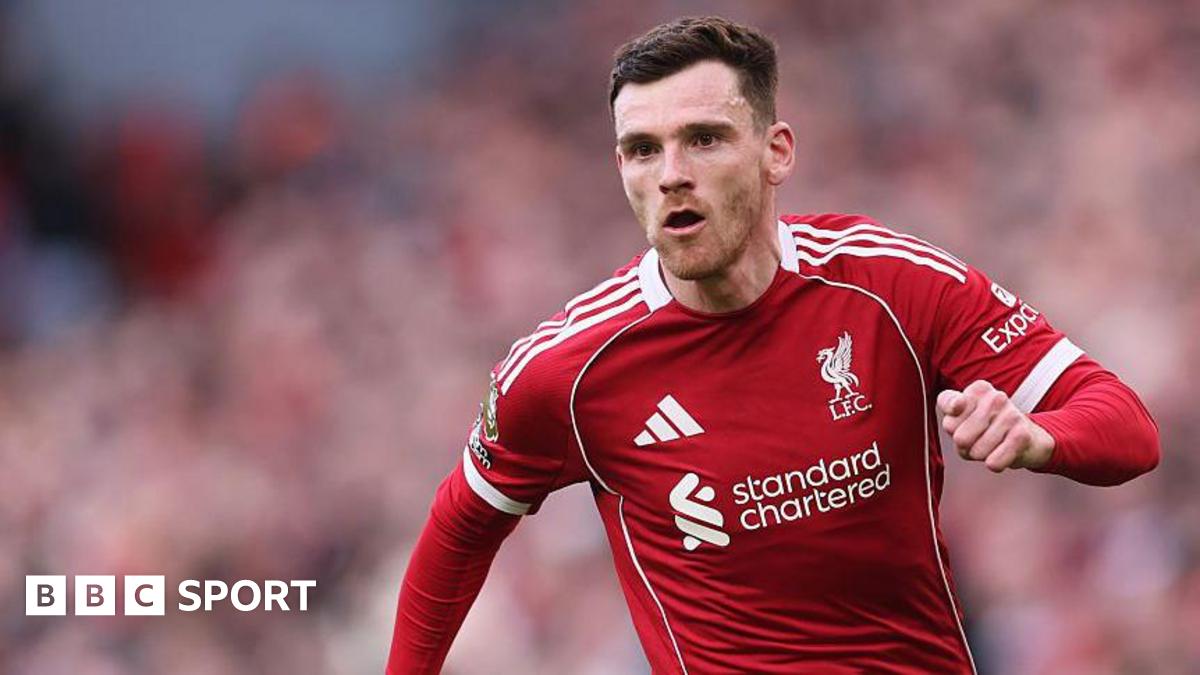
The end of the Liverpool left-back era
The news that Tottenham are in advanced talks to sign Andy Robertson represents a strange intersection of club strategy and diminishing returns. On April 13, 2026, the prospect of the Scottish defender moving to North London on a free transfer feels like a reactionary move rather than a calculated rebuild. While his durability has been legendary, his output map for the 2025-26 season suggests the physical demands of high-intensity inverted full-back roles are catching up with him.
Liverpool have been shifting their build-up play away from the touchline-hugging style that defined Robertson’s peak years. At Anfield, the requirement is now for a defender who can tuck into a back three during the transition. Robertson has struggled to maintain the requisite progressive passing accuracy required to anchor this setup. His pass completion rate has dipped by 4% compared to his 2022 levels, a decline that forces the midfield to drop deeper to collect the ball.
Tactical clashes in North London
Tottenham's current formation relies heavily on overlapping aggression, which historically suited Robertson perfectly. However, the modern Premier League demands a level of defensive recovery pace that the defender has ostensibly lost. Watching him attempt to track back against elite transition teams in recent months reveals a recurring vulnerability in the half-spaces. He often finds himself caught between the defensive line and the ball-carrier, leading to awkward angles in his lunges.
This is not a slight against his career achievements, but rather a cold assessment of his suitability for a team chasing a Champions League spot. Tottenham require someone who can sprint back into a 4-4-2 block in the 88th minute without losing positional discipline. Robertson’s heatmap has become increasingly centralized, yet he lacks the natural comfort in tight, congested midfield areas that characterizes the modern utility fullback.
The math of a free transfer trap
Clubs often perceive free transfers as low-risk acquisitions, ignoring the impact of wage structures and dressing room dynamics. Committing those wages to a player who may be entering the twilight of his physical peak is a luxury Tottenham can rarely justify. If the club is indeed in advanced talks over a free transfer, they are likely ignoring the opportunity cost of failing to scout younger profiles who offer higher ceiling potential.
There is also the matter of the transition itself. Adapting from the high-press environment of his current stint to the specific demands of Tottenham’s defensive organization will take an adjustment period most veterans struggle to navigate. If the aim is to challenge for major honors, identifying players based on legacy status rather than metrics is a mistake that defines mid-table stagnation.
The defensive metrics are clear: he is being dribbled past more frequently than at any point since his arrival in England. When the opposition targets his flank, the recovery time is noticeably longer. Unless the coaching staff intends to radically alter their defensive line depth, this signing creates more problems than it solves. Signing a player because he is available is fundamentally different from signing him because he matches the project requirements.
Missing the tactical pivot
Tottenham clearly believe experience adds value to their backline, yet there is a fine line between leadership and staleness. A defender who spends 60% of his match time in the opposition half requires a dynamic center-back pairing to guard the space behind him. If those players are not already present, adding Robertson without a structural overhaul is a vanity project.
We have seen these moves fail across the league consistently when the financial benefit outweighs the physical reality. By the time he steps onto the pitch for his debut, he will be tasked with managing wingers who are faster and more direct than those he faced even three seasons ago. The lack of foresight in targeting a player who is currently struggling with 1v1 defensive isolation is a massive oversight. At this level of the sport, past performance is rarely a reliable indicator of future stability.
The club must decide whether they are buying a brand name or a functional piece of a winning puzzle. Based on the current trajectory, this looks like a move designed for the headlines rather than the league table. Expectation management will be key, as the inevitable loss of pace in defensive transitions will provide fodder for critics if the defensive line is not adjusted accordingly.
Icon Sports Manchester City FC Official Reversible Scarf
Show your colors on match day with this premium knit scarf.
More Coverage

Anthony Gordon to Barcelona marks a high-stakes gamble
an hour ago
Arsenal vs PSG: Why tactical rigidity will determine the European champion
an hour ago
Arsenal's 104 million gamble on Julian Alvarez is pure chaos
an hour ago
Top 10: The Definitive Arsenal Moments of the 2025/26 Season
2 hours agoLincoln City just entered the weirdest experiment in League One history
3 hours ago
Newcastle are burning the furniture to keep the house warm
3 hours agoMore Analysis

Andy Robertson's Liverpool exit leaves him at a tactical crossroads
1 month, 2 weeks ago
Robertson's Liverpool exit and the medical nightmare facing De Zerbi at Spurs
1 month, 2 weeks ago
Andy Robertson's departure: The scramble for a Premier League veteran
1 month, 2 weeks ago
Liverpool's chaotic exodus exposes a lack of defensive vision
3 days, 9 hours ago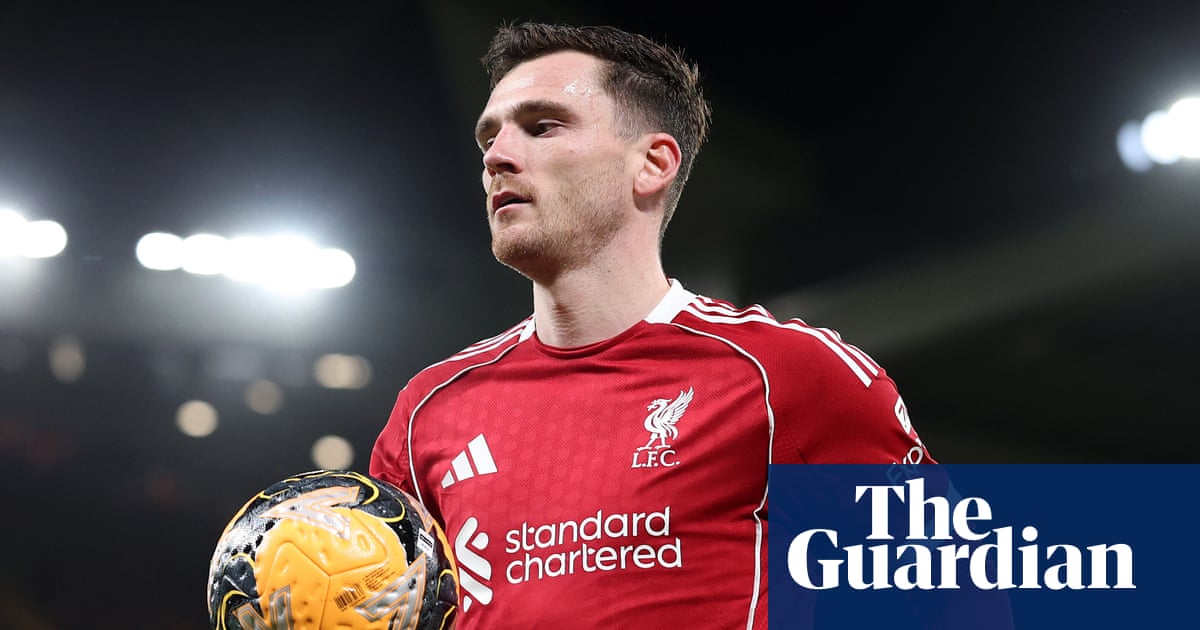
Andy Robertson's Anfield exit marks the end of an era
1 month, 2 weeks ago