The longest goodbye begins
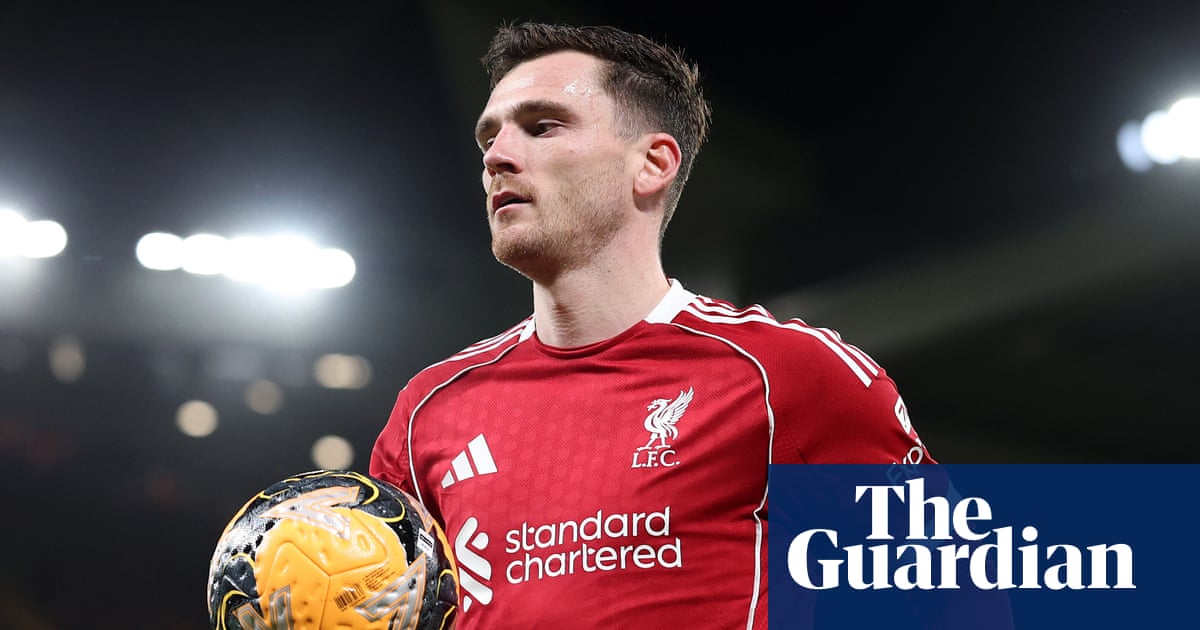
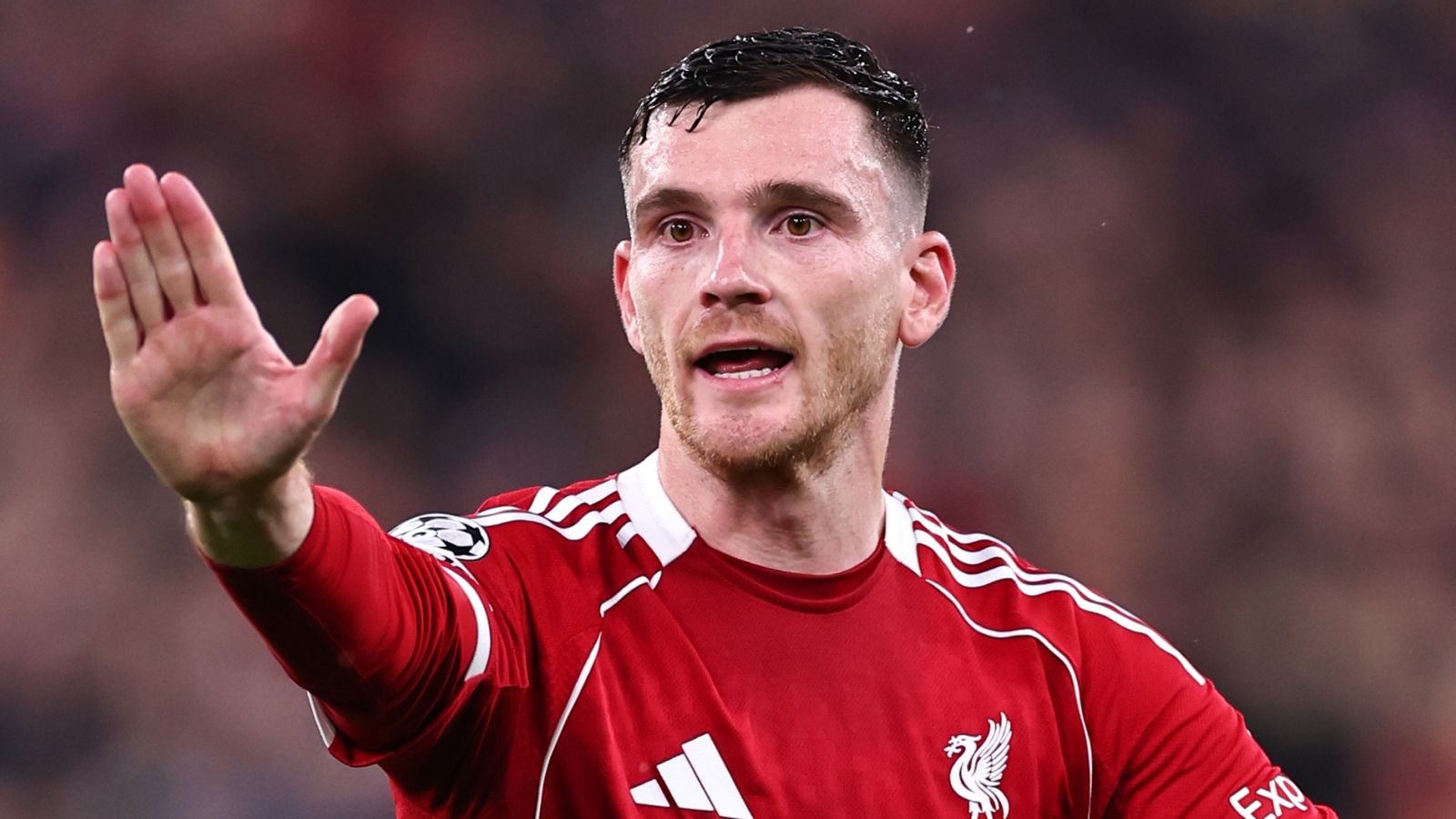
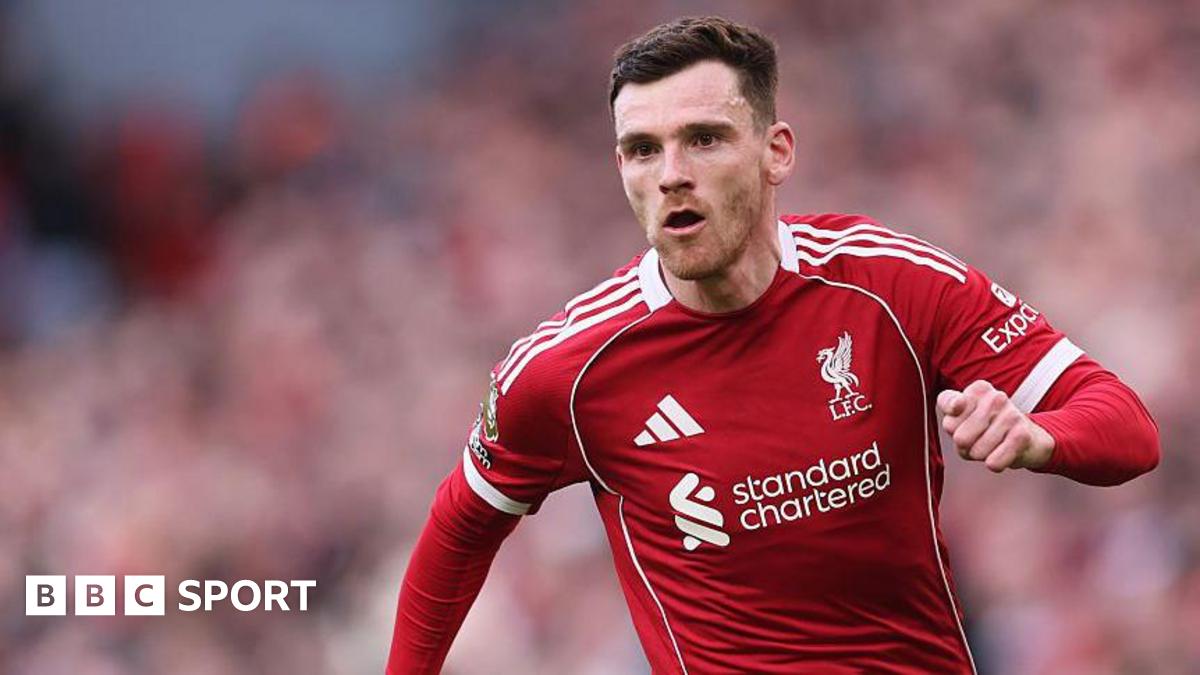
We are just four days away from the second leg of the Champions League quarter-finals. Anfield will be loud. The floodlights will be glaring. And Andy Robertson will run down the left flank, perhaps for one of the last times on a European night.
The news has finally trickled out, confirming what many suspected since January. Robertson is leaving Liverpool at the end of the season. His contract is winding down, and there will be no extension.
As Mirror Football reported yesterday, the Scottish captain is not short of admirers. He reportedly has four clubs to choose from on a free transfer.
But before we dissect his next destination, we have to address the present. Liverpool are entering the defining stretch of their season. April 14 looms large. The intensity is ramping up, and Robertson is suddenly playing for his legacy.
The physical reality of heavy metal football
Let us be brutally honest about why Liverpool are allowing this to happen. The engine is misfiring. Robertson is aging, and he has played an obscene amount of high-intensity football over the last nine years.
Jurgen Klopp’s system, and the subsequent iterations under his successors, demanded superhuman endurance from the full-backs. They were the primary creative outlets. They were expected to press the opposition penalty area and sprint back to defend their own corner flag within ten seconds.
You cannot do that indefinitely. The human body has limits.
Look at his recovery runs this season. The initial burst of acceleration—that explosive first step that allowed him to nick the ball ahead of a winger—is gone. He is frequently getting caught out in transition.
Against Arsenal recently, Bukayo Saka did not even bother trying to outpace him on the outside. Saka simply waited for Robertson to commit, chopped inside, and watched the Scot struggle to readjust his balance. It was a painful watch.
Liverpool’s data department knows this. They track every sprint, every deceleration, every metric of physical decline. The decision to let him walk is cold, calculated, and entirely correct.
The Tottenham tactical mismatch
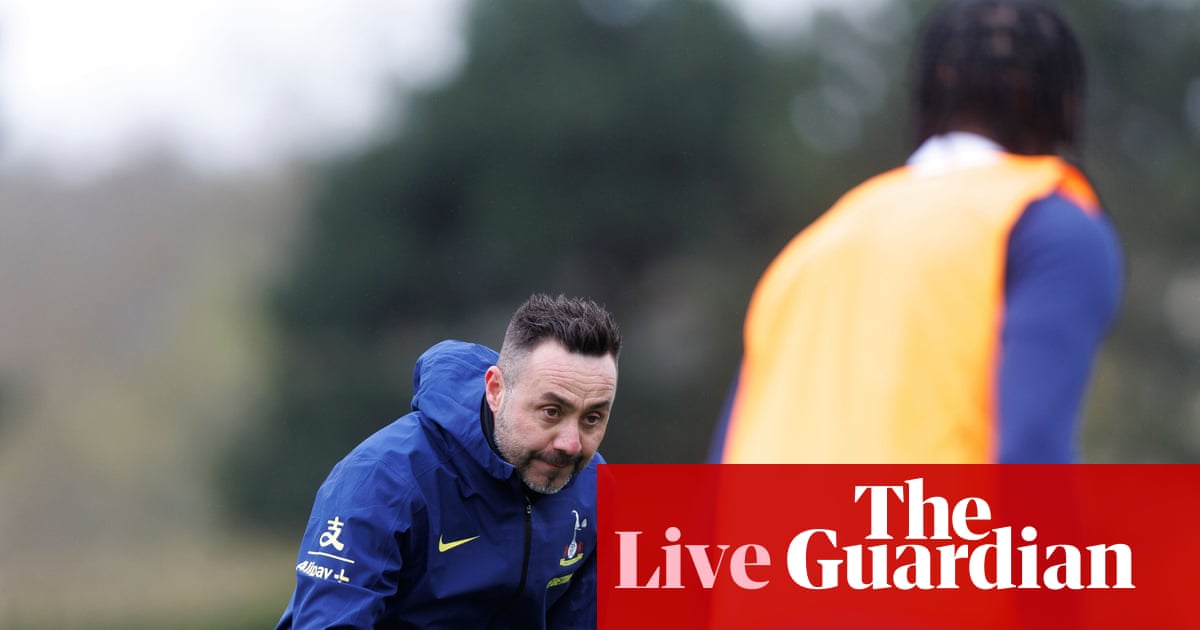
The most fascinating rumor stems from the URL of that very Mirror report, linking Robertson with Tottenham Hotspur. On paper, picking up a multiple-time Champions League winner on a free transfer sounds like smart business for Spurs.
On the pitch, it is a guaranteed disaster. Ange Postecoglou’s system is incredibly rigid when it comes to full-back profiles. He demands inverted players.
Destiny Udogie does not play as a left-back for Spurs. He plays as a left-sided central midfielder in possession. He receives the ball on the half-turn in the center circle, surrounded by opposition bodies.
Robertson cannot do that. He has never done that. He is a touchline-hugging overlapping machine.
When Liverpool briefly experimented with an inverted role for Robertson a few years ago to allow Trent Alexander-Arnold to dictate from midfield, the Scot looked miserable. He constantly received the ball with his back to the touchline, forced into negative passes.
If Spurs sign Robertson, they are signing a square peg for a round hole. Postecoglou would have to fundamentally alter his build-up structure to accommodate a declining veteran. That is not going to happen.
The romantic pull of Glasgow
Then there is Celtic. It is the narrative everyone wants. Robertson was released by Celtic at under-15 level for being too small. He clawed his way up through Queen's Park and Dundee United to conquer Europe.
Returning to Parkhead to finish his career as a conquering hero is a scriptwriter's dream. Tactically, it makes a lot of sense.
The Scottish Premiership is slower. The demands on a full-back are different. Robertson could dominate the left flank domestically without needing to make the 60-yard recovery sprints that the Premier League demands.
He would essentially operate as a wide playmaker against low blocks every weekend. His delivery is still elite. Put him in a Celtic shirt, and he easily registers 15 assists in a league season.
The problem is the finances. Free transfers demand massive wages. Celtic's wage structure is incredibly tight. Robertson would have to accept a massive pay cut, likely earning less than a quarter of his current Liverpool salary, to make the move happen.
The Serie A solution
If Tottenham is a tactical mismatch and Celtic is a financial non-starter, where does he go? The answer lies in Italy. Serie A has become the perfect retirement home for aging Premier League full-backs.
The tempo of Italian football is significantly slower. The tactical emphasis is on shape and defensive rigidity rather than chaotic end-to-end transitions.
More importantly, the 3-5-2 and 3-4-2-1 formations are practically religions in Italy. Teams like Roma, Napoli, and Juventus routinely use wing-backs.
This is the perfect environment for a late-career Robertson. Playing as a left wing-back with three central defenders behind him removes his primary weakness: defending in isolated 1v1 situations in acres of space.
He would be tasked purely with providing width, delivering early crosses, and maintaining defensive shape. He would thrive. It extends his career at the top level by at least two years.
The death of the traditional full-back
Robertson’s impending exit feels like the end of an era, not just for Liverpool, but for the Premier League. The pure overlapping full-back is dying out.
Look around the elite clubs. Manchester City won the treble using four center-backs. Arsenal use Jurrien Timber and Ben White, natural center-backs, to invert and control the midfield.
Managers want control. They want full-backs who can play as double pivots. They no longer want chaos-creators bombing down the outside and firing crosses into the mixer.
Robertson is one of the last great practitioners of a fading art. His telepathic understanding with Sadio Mane on that left wing between 2018 and 2022 was devastating. Mane would tuck inside, dragging the right-back with him, and Robertson would arrive on the overlap like a freight train.
That pattern of play won Liverpool every trophy available. But football evolves rapidly. The tactical meta has shifted, leaving traditional full-backs searching for relevance.
What happens in the final weeks?
Before any contracts are signed, Robertson has a job to do. The upcoming Champions League quarter-final second leg on April 14 is going to be a defining night.
Opposing managers know he is leaving. They know his legs are heavy. They will target that left channel relentlessly. Expect to see long diagonals aimed directly at the space behind him.
It will be a fascinating tactical battle. Will Liverpool's midfield drop deeper to cover him? Will the left-sided center-back get pulled out of position to deal with the overloads?
Robertson is a fierce competitor. He is not going to quietly fade away. He thrives on aggression. He loves nothing more than a physical battle, a cynical foul, a screaming match with a referee to fire up the crowd.
He will empty the tank in these final weeks. He knows this is his last chance to lift a major trophy in front of the Kop.
The final prediction
The rumors will continue to swirl until the season ends. Agents will leak stories. Clubs will posture. The Tottenham link feels like deliberate noise generated to drive up his price.
Celtic is too expensive. The Saudi Pro League is too quiet for a player who feeds off hostile atmospheres.
He is going to Italy. Roma makes the most sense. They play with wing-backs, they need leadership, and the Stadio Olimpico offers the kind of visceral, aggressive environment he craves.
He will leave Liverpool a legend. But watching him operate in these final weeks, knowing the physical limitations he is now battling, is going to be an incredibly tense experience.
The warning signs are flashing. The engine is redlining. Every time he sprints forward on April 14, Anfield will hold its collective breath, praying he has enough left in the tank to make it back.
Read Next