The Corinthians were the OGs, and you probably never heard of them
Let’s be honest. Most of us treat football history like it started in 1992 when the Premier League snatched the rights and changed the font on the scoreboards. We act like the game was invented in a lab by Sky Sports producers. But if you actually dig into the archives, you find the Corinthians.
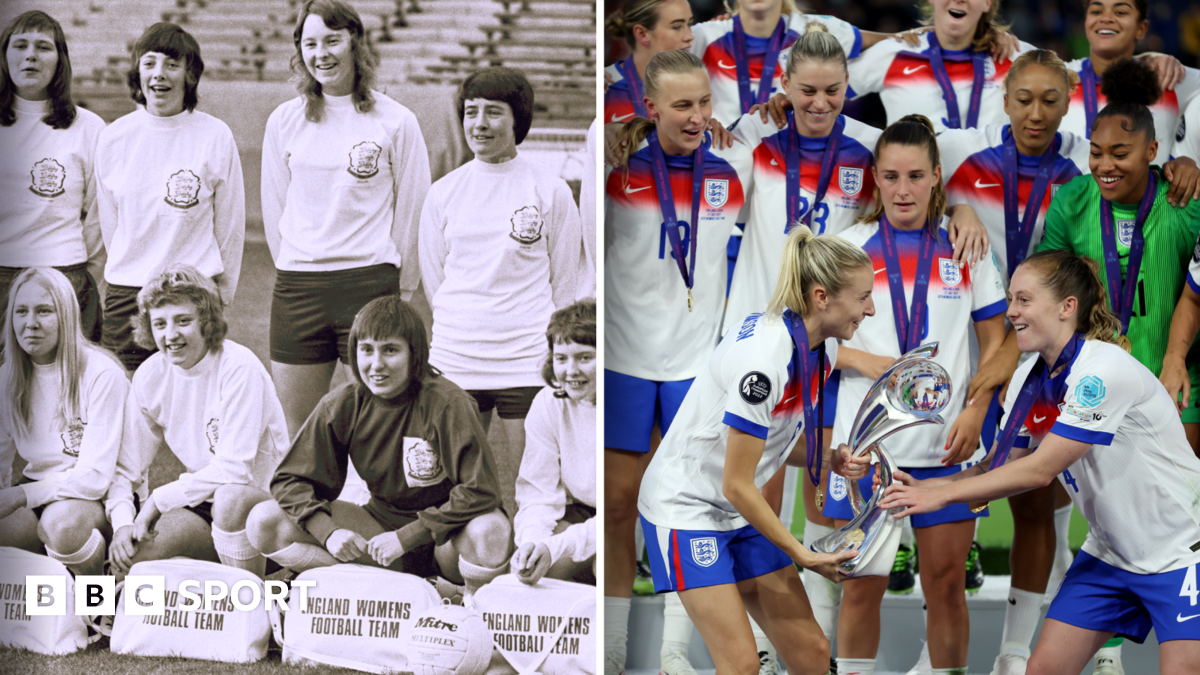
These women were touring the world in the early 20th century, drawing massive crowds while the FA was busy trying to ban their existence. It hits different when you realize they weren't just playing for fun. They were barnstorming icons fighting the establishment while wearing short shorts and lace-up boots.
As Mirror Football reported, there is a massive effort to pull these stories out of the dustbin of history. We spent decades pretending these women didn't exist to protect some fragile Victorian ego. It feels like a genuine apology to revisit this era.
Why we’re obsessed with the wrong narratives
Today’s coverage of the women’s game is stuck in a weird loop. We focus exclusively on commercial growth or the latest WSL transfer drama. Don't get me wrong, I love seeing a good deadline day saga as much as the next guy. But we are missing the foundation.
We talk about professionalization like it's day one. It isn't. The Corinthians were filling stadiums when travel meant actual trains and bad hotels. Comparing their grind to the modern era reveals how much talent was suppressed for fifty years by archaic bans.
It’s easy to look back and romanticize, but the reality was cynical. The powers that be didn't just ignore these women; they actively worked to make sure they couldn't turn a profit. That friction is why the current rise of the WSL feels so aggressive. It is reclamation, not just growth.
The April reality check
As we slide into April 2026, the calendar is screaming at us. We are weeks away from the final stretch of the club seasons and the start of the heavy hitters in Europe. It is the perfect time to evaluate where the game is going by remembering where it started.
My biggest gripe? We still treat the history of the women's game as an extra curriculum activity. It should be mandatory reading for anyone claiming to be a tactical analyst. If you can explain a high press but don't know who Lily Parr is, you are essentially a tourist.
The current hype cycle is great, but let's be real: some of the mid-table quality in the domestic leagues is still jarring. Investing in history provides the backbone that the current game sometimes lacks in terms of soul. We need more than just stats and betting odds on our feeds.
Let’s look at the numbers. The surge in attendance is real, with clubs finally clearing the 30,000 barrier for big matches regularly. But are we actually keeping those fans? Or are they just there for the novelty? Integrating the history of the Corinthians provides a cultural attachment that lasts longer than a flashy kit launch.
If we want to build a real community, we stop chasing the next viral clip and start looking at the roots. The sport deserves a legacy that isn't just a marketing slide. Check the archives, find the stories, and maybe try to appreciate the women who paved the road before the current generation started driving the bus.
Read Next