The sudden silence in Salzburg
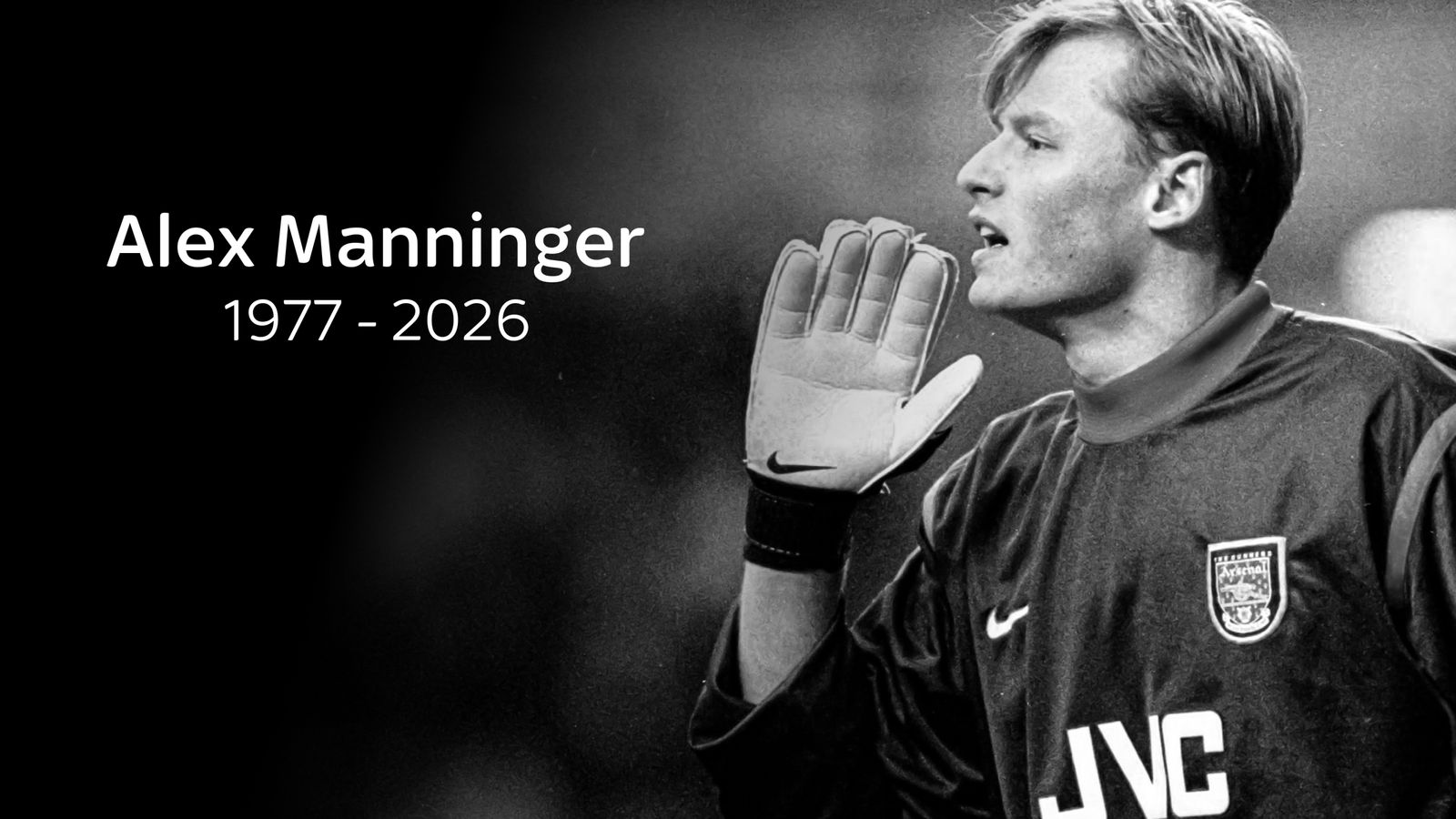
The news out of Austria this morning is the kind that stops the football world in its tracks. Alex Manninger, a man whose career was defined by his quiet readiness and technical precision, has died at 48. A car accident involving a local railway in his native Salzburg ended the life of one of the most respected professionals to ever pull on a pair of gloves.
As The Guardian reported, the announcement came from Red Bull Salzburg, the club where his journey began. It is a staggering loss for a man who had only recently transitioned into life after the pitch, having retired in 2017 after a final, veteran spell at Liverpool. Manninger was the goalkeeper's goalkeeper — a specialist who understood that his job was often to wait for a moment that might never come.
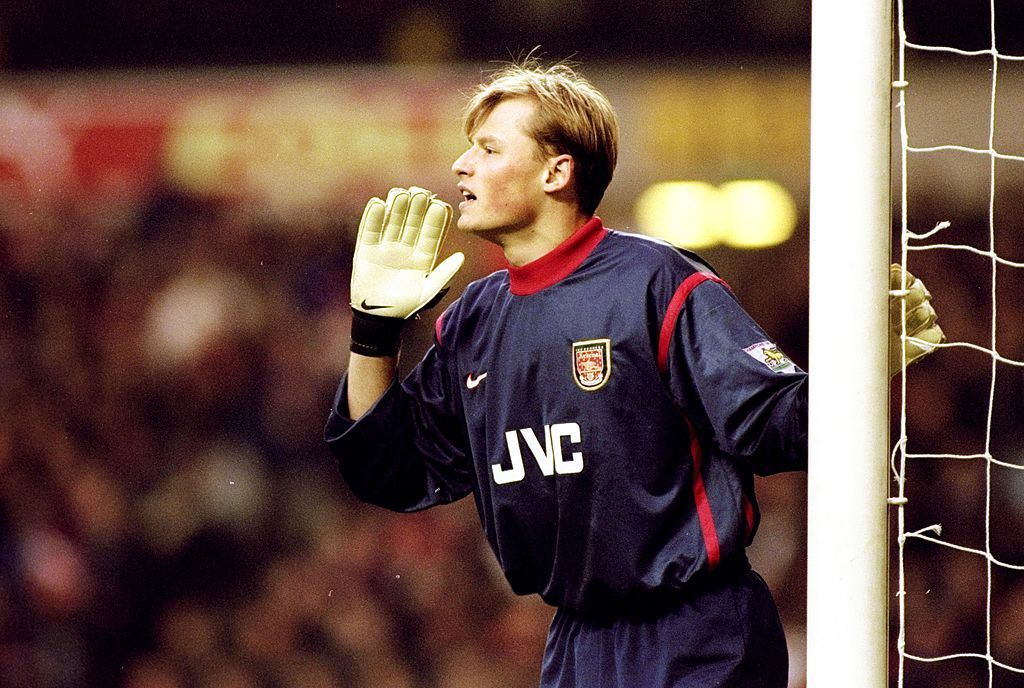
To understand Manninger, you have to go back to the spring of 1998. It was a time when the Premier League was still finding its modern identity, and Arsenal were chasing a Double that felt impossible. David Seaman, the undisputed number one and a pillar of the English game, went down with a finger injury. The title race was on a knife-edge. In stepped a 20-year-old Austrian with zero top-flight experience in England and a £500,000 price tag.
The six clean sheets that changed Highbury history
What followed remains one of the most underrated individual runs in the history of the North London club. Manninger didn't just fill in; he became an impenetrable wall. He kept six consecutive clean sheets in the league during that 1997-98 run, a feat that allowed Arsène Wenger’s side to hunt down Manchester United with relentless efficiency.
The night at Old Trafford
The peak of that run was March 14, 1998. A Saturday night at Old Trafford. The math was simple: if Arsenal lost, the title race was over. Most young keepers would have crumbled under the weight of the Stretford End. Manninger was different. His positioning was immaculate. He didn't rely on the theatrical dives that defined the era; he relied on a deep understanding of angles.
When Marc Overmars raced through to score in the 79th minute, it was Manninger who had kept the platform stable. He produced a series of saves, most notably a reaction stop from Andy Cole, that felt like the work of a ten-year veteran. He became the first Austrian to win the Premier League, though he required a special dispensation for a medal because he hadn't reached the then-required 10 appearances. Nobody in that locker room doubted he deserved it.
As Sky Sports confirmed in their tribute, Manninger’s contribution to that Double season remains his primary legacy in England. Yet, his tactical value extended far beyond those few months at Highbury. He was a pioneer of the 'elite backup' role that we now take for granted at every major club.
The technical profile of a perennial number two
Manninger’s career took him to Juventus, Fiorentina, Udinese, and Augsburg. In Italy, he became a tactical student. Playing behind Gianluigi Buffon at Juventus might seem like a thankless task, but Manninger viewed it as an apprenticeship in defensive organization. He was a keeper who commanded his box with a sharp, linguistic authority, often barking instructions in four different languages.
His set position was a masterclass in biomechanics. He kept his weight slightly forward on the balls of his feet, allowing for a lateral explosiveness that belied his 6ft 2in frame. Unlike modern keepers who are often coached to 'spread' like handball goalies, Manninger was a traditionalist. He caught what others punched. He smothered what others parried.
However, there is a critical observation to be made about this path. Manninger spent nearly 70 percent of his professional life on the bench. For a player with 33 caps for Austria and the reflex-speed he possessed, there is a legitimate argument that he lacked the ruthless ego required to be a long-term starter at a top-five European club. He was perhaps too comfortable being the safety net, a trait that served his managers better than it served his own statistical legacy.
The final chapter under Klopp
It was that same professional temperament that led Jürgen Klopp to bring him to Liverpool in 2016. At 39, he wasn't there to challenge Simon Mignolet or Loris Karius for the starting spot. He was there to set the standard in training. In his final interview, he spoke about the 'thrill' of working under Klopp, noting that even at the end of his career, he was still learning the game's nuances.
Klopp’s heavy metal football required a keeper who could deal with the isolation of a high defensive line. Even in training, Manninger’s ability to read the game allowed the Liverpool youngsters to test themselves against a man who had seen everything. He was a bridge between the old world of 1990s defensive blocks and the high-pressing intensity of the modern era.
The tragedy of his death at 48 years old is compounded by the fact that he was the rare player who left the game with zero enemies. In an industry built on ego and conflict, Manninger was a constant. Whether it was the snowy pitches of Salzburg or the bright lights of the Premier League, his approach never wavered. He was ready. He was focused. He was there when you needed him.
Why the Manninger archetype is disappearing
Today’s market is obsessed with 'project' keepers — 21-year-olds with high resale value but fragile temperaments. We are losing the Alex Manningers of the world. We are losing the veterans who understand that the most important save is the one you make after sitting cold on the bench for three months. That level of mental fortitude cannot be taught in an academy; it is forged through the kind of journey Manninger took across Europe.
Tonight, as the European quarter-finals kick off, there will be moments of silence in stadiums from London to Liverpool. They will be honoring a man who didn't need the captain's armband to be a leader. He was the insurance policy that every great manager dreamed of having in their pocket.
My prediction is a somber one: the 'Manninger Role' is becoming extinct. As clubs move toward data-driven recruitment that prioritizes age and ball-playing metrics over veteran stability, the art of the dedicated number two is dying. We will see more starting keepers crumble this season because they don't have a Manninger-type figure in the dressing room to keep them grounded. Arsenal and Liverpool didn't just lose a former player today; they lost a blueprint for what a professional should be. I own this call: the goalkeeper market will look back at Manninger's career with envy as they struggle to find his modern equivalent. He was 48, he was a champion, and he was always, always ready.