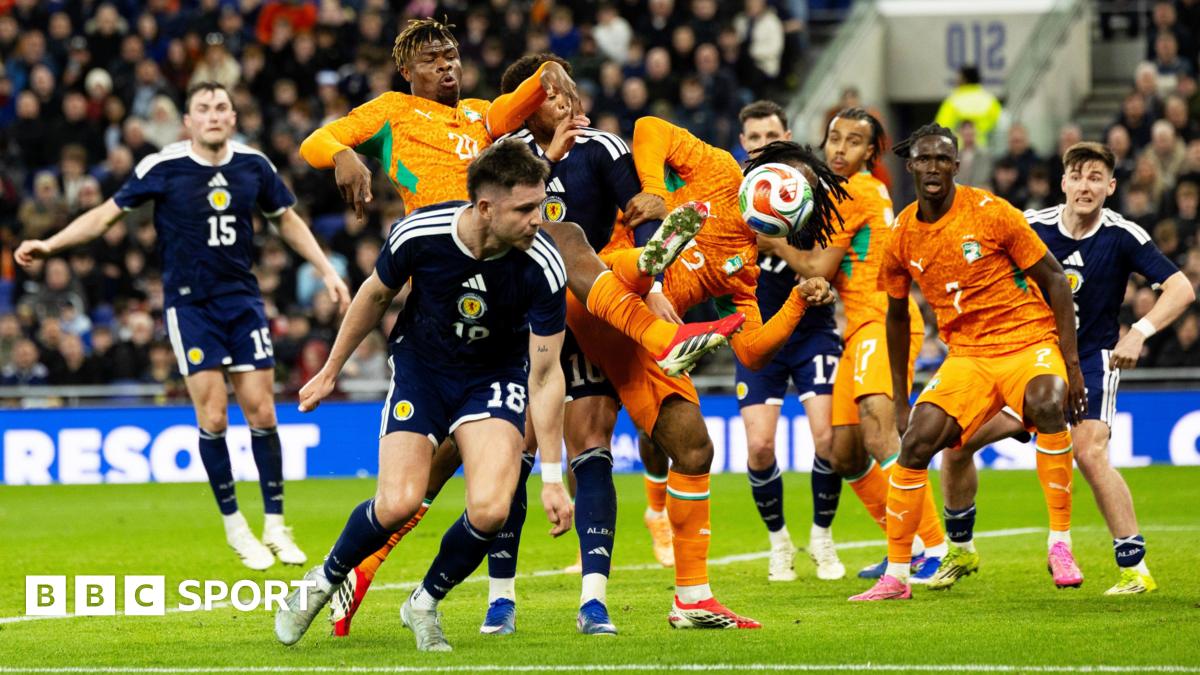
The Velocity of Modern Football
The 2026 season has been defined by rapid shifts in narratives, ranging from viral social media campaigns to tactical departures. Moments that transcend the pitch are currently dictating the pre-World Cup temperature.
1. The Tim Payne Viral Phenomenon
New Zealand defender Tim Payne has transitioned from a relative unknown to a global social media sensation in less than a month. An Argentinian influencer identified the 32-year-old as the least-known player in the tournament, sparking a massive digital campaign to turn him into a tournament hero. This movement pushed his following from 5,000 to over 1,000,000 accounts. It ranks first because it highlights the sheer power of internet-driven fan culture over traditional scouting metrics.
2. The Mid-Season Tactical Rejection
Several major clubs abandoned their primary defensive shape in March due to high-scoring fatigue. Coaches realized that the 4-3-3 structure was being exploited by high-pressing transitions. The shift back to a 3-5-2 provided structural stability but sacrificed individual winger output. This move remains controversial among purists who favor offensive expression over safety.
3. The February VAR Protocol Overhaul
FIFA updated the offside technology in late February to further automate close-call decisions. While the speed of review dropped, the subjectivity of what constitutes an active play remains a point of friction. Referees are now forced to rely on sensor data, sometimes at the expense of human intuition. The margin of error is thinner than ever.
4. The Unexpected Return of Veteran Depth
A surprising trend emerged this spring as managers recalled players over 30 to stabilize young squads. Reliance on youth systems hit a wall when injury rates increased in the final months of the domestic calendar. Some fans criticize this as a failure of academy development. Others argue it is a necessary pivot for tournament readiness.
5. The Financial Stabilization of Lower Leagues
New broadcasting regulations introduced in early 2026 forced smaller clubs to centralize their revenue streams. This stopped the bleeding for several mid-tier outfits that were hovering near bankruptcy. While the policy saved clubs, it removed the chaotic unpredictability that made the early 2025 season so compelling to watch. Efficiency rarely makes for a better product.
6. The Midfielders' Defensive Evolution
Role definition for traditional playmakers has nearly evaporated. We now see box-to-box profiles commanding the majority of minutes compared to the pure number 10s of previous years. This tactical evolution has limited the impact of creative geniuses, forcing managers to seek work-rate over vision. It is a win for discipline, though a loss for the highlight reel.
7. The Injury Crisis Pre-World Cup
Fatigue levels reached a record high in April as leagues congested their schedules. Several marquee stars were ruled out for the summer tournament due to prolonged muscle overuse. This highlights the recklessness of modern scheduling. The standard of play will likely suffer as a result of these missing names.
8. The Acceleration of Ball Velocity
Testing on the new match-day balls indicated a 12% increase in speed off the foot during long-range strikes. This has led to an increase in goals scored from outside the 18-yard box. While exciting, it has made goalkeeping performances erratic. Reaction times for keepers have clearly not adjusted to this hardware shift.
9. The Global Scouting Integration
Data-driven recruitment has reached a peak, as clubs now share centralized databases for league-wide efficiency. This has essentially neutralized the ability of mid-table clubs to surprise opponents with unknown signings. The playing field is level, but it is also remarkably bland. The element of discovery is officially dead.
10. The Rise of the 'Super-Sub'
Managers are increasingly holding their best finishers until the 75th minute to maximize impact against tired opposition. We have seen more goals scored in the final 15 minutes of play than at any point in the last five years. It is a cynical booking strategy that forces fans to wait for the action to actually start. The pacing of matches has suffered as a direct result.
The Big Picture
The 2026 landscape is arguably the most artificial version of the sport we have seen to date. While fan engagement like the Tim Payne project provides a fun diversion, the underlying mechanics of the game are becoming increasingly rigid. Efficiency is the new champion, even if it comes at the cost of genuine surprises.
Honorable Mentions
The stabilization of pitch quality in colder regions deserves credit for improving flow, and the experimental use of open microphone communication for referees added clarity for fans in the stadium, even if it did not increase the overall accuracy of the decision-making process.