The Irankunda sparkle in a desert of caution
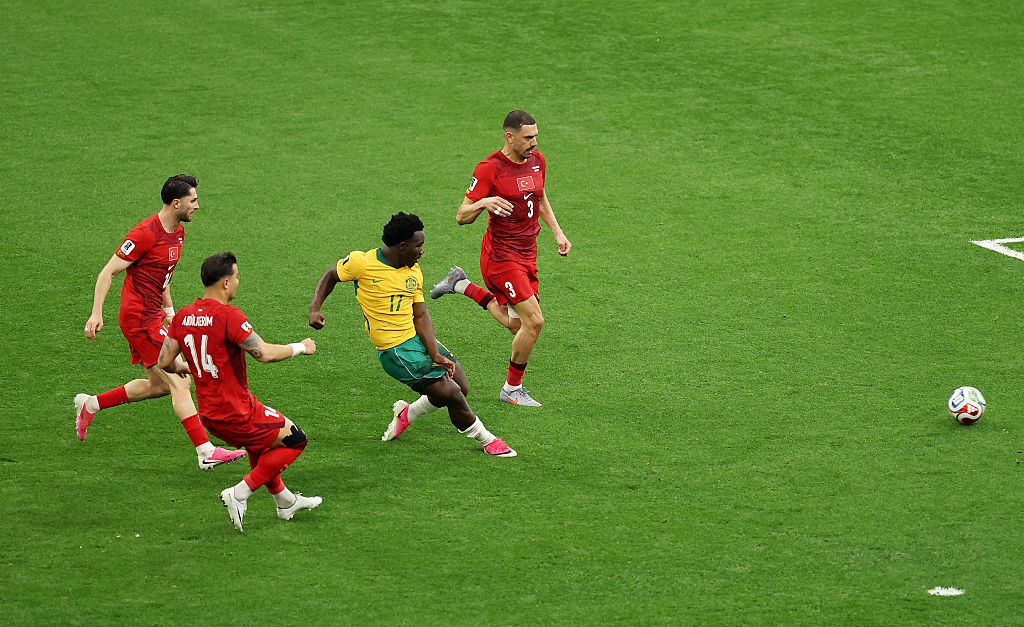
If you were watching the Australia-Turkey match, your eyes probably took a moment to recalibrate after Nestory Irankunda stepped onto the pitch. We have spent an eternity talking about the tactical rigidity of international football, but the kid decided to opt for chaos instead. That wonder strike wasn't just a goal; it was a middle finger to the cautious, possession-heavy snooze fest that usually defines these tournament build-ups.
Ange Postecoglou, a man who clearly prefers watching his teams play with their hair on fire rather than sitting in a deep block, was visibly animated. He gushed over the effort as if he had just discovered fire for the first time. Look, I get the excitement. When you see a young lad refuse to pass sideways and instead pick the corner, you start dreaming about World Cup knockout stages. But let’s pump the brakes.
Irankunda has the raw tools to be a nuisance, but doing it in a group stage friendly against a Turkey side that looked like they were auditioning for a nap is different from turning up against a German high-press. Ange loves the flair, but he’s the same guy who spent the last week complaining about Japan’s lack of ambition. As he noted about that Netherlands-Japan crawl, teams that refuse to take the game to the opponent deserve the stalemate they usually end up with.
The identity crisis of modern managers
Postecoglou is playing a high-stakes game of chicken with his own philosophy. He wants the high-octane press, the blistering transitions, and the absolute destruction of whatever parked bus stands in his way. Yet, watching the way he critiques other nations, you get the sense he is terrified his own squad will revert to that same sluggish tactical safe-space. He wants to be the protagonist of the tournament, not a guest appearance in someone else’s highlight reel.
It’s the same frustration Youri Djorkaeff feels when looking back at the greats. You might have seen that recent musing from Djorkaeff regarding Il Fenomeno—it isn't just about the stats. it is about the feeling of the game being played at a level that feels distinct. Postecoglou wants that X-factor. He wants that moment where the ball hits the back of the net and the stadium stops thinking about tactics and starts screaming like they've seen a ghost.
The defensive reality check
Here is the reality that the post-match gushing ignores: if Australia continues to rely on moments of individual brilliance, they are going to get slaughtered by the first serious European contender they face. You can’t win a trophy by solely betting on a wonder strike from a teenager. Eventually, you have to defend a set-piece or survive a 10-minute onslaught without losing your collective minds.
Nagelsmann might be managing a circus in the German camp, but at least their circus features 7-1 scorelines. Australia is still trying to figure out if they want to be a cohesive unit or a collection of individuals hoping someone pulls a rabbit out of a hat. Winning is fine, but building a team that actually sustains pressure? That is the 0.1% of football that separates the legends from the lucky.
If I am the Socceroos' backline, I am sweating. Ange talks a big game about taking the initiative, but that places an immense burden on the guys at the back to be perfect in one-on-one situations. One mistimed tackle, one lapse in concentration, and that flair-first philosophy becomes a liability faster than a striker missing an open goal in a cup final.
The shadow of the elite
While everyone is obsessed with managers, the players are busy navigating their own exits. It is worth noting the current temperature regarding guys like Ibrahima Konate. When superstars start dropping comments about their former teammates after high-profile moves, the media cycle turns into a scavenger hunt for hidden meaning. Mbappe offering an honest take on Konate’s status post-Liverpool exit is exactly the kind of soundbite fodder that keeps the pundits employed through the summer. It highlights that even at the peak level, guys are just as hyper-aware of their peers' trajectories as we are at the bar.
We are currently at a critical junction in this tournament. By the time the final whistle blows on the group stages, we will know if Ange’s high-risk, high-reward approach was an act of genius or a recipe for a spectacular collapse. Personally? I hope it is the former. Football needs more managers willing to burn the house down trying to score, rather than those content with drawing 0-0 while clutching a notepad. Keep the fireworks, keep the risks, and for the love of everything, keep benching the boring players.
Read Next
- Australia vs Turkey: Parsing the tactical efficiency of disparate pressing styles
- Australia just proved tactical discipline beats raw talent
- Germany’s 7-1 demolition of Curacao was a fever dream of defensive chaos
- Eberechi Eze will be the heartbeat of England's World Cup quarter-final win
- 🇦🇺 Australia World Cup 2026 — Socceroos Hub