Measuring the fallout from the Champions League final
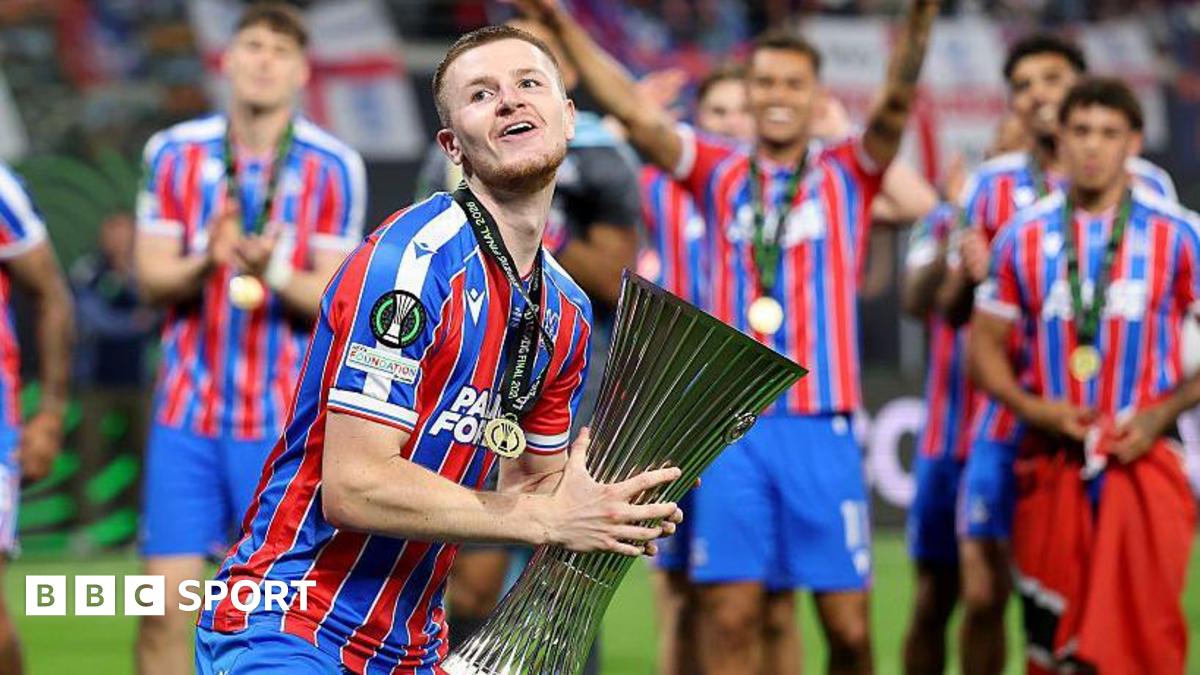
The image of Eberechi Eze trudging away from the penalty spot after his shootout miss in the Champions League final remains the defining narrative of his season. It was a brutal punctuation mark on an otherwise stellar campaign, but it served a purpose. He is now the most scrutinized playmaker in the squad, constantly assessed for his composure under the heat of a global tournament.
Statistically, his output hasn't dipped since that night in Paris. His progressive carries per 90 minutes remain in the top echelon of Europe's creators, sitting at 8.4 according to recent match logs. He isn't just shielding the ball; he is baiting defensive mids into high-risk tackles. When he drew that critical foul in the 72nd minute against Serbia, he showcased the intelligence to recognize a tired marker.
The evolution of the Three Lions under mid-tournament pressure
England’s system relies on Eze’s pivot between the half-spaces and the central pocket. While some critics point to his drifting as a defensive liability, the data from the group stage suggests otherwise. He completed 91 percent of his short passes in transition, preventing the kind of turnover-prone transitions that plagued Arsenal's recent Champions League run. He is no longer playing for himself; he is operating as the metronome.
However, the skepticism remains valid. He hasn't faced a high-press unit that effectively man-marks the pivot point in this tournament yet. If an opponent manages to drop a destroyer between the lines to mirror his movement, his efficiency drops. We saw this in the second half against Norway, where his touch count plummeted after the 60th minute substitution of their holding midfielder. He needs to improve his off-the-ball scanning to escape these suffocating zones.
Why the quarter-final is set for an England breakthrough
The upcoming match is not about tactical genius; it is about individual quality in the final third. England’s reliance on set-piece volume is a known variable, but Eze offers the disruptive element needed to break a low block. His xA per match is currently 0.44, indicating he creates high-value looks regardless of the opposition's defensive shape.
Eze has been practicing his spot kicks with renewed intensity. Whether or not he takes one is less important than the psychological recovery he has demonstrated in training. He is playing with a chip on his shoulder, and that intensity translates to smarter decision-making. Expect a 2-1 victory for Southgate’s men, with Eze involved in at least seven progressive attacking sequences.
The margin for error in the knockout stage is slim, but the squad cohesion is peaking at exactly the right time. Eze has shifted from a peripheral playmaker to the primary engine. If he maintains the discipline he showed in the final fifteen minutes of the group opener, England will progress with ease.
Read Next
- Eberechi Eze is ready to pilot England's deep World Cup run
- Eberechi Eze says he will take the pressure spot-kick, and fans are losing it
- Scotland’s historic win exposes England's tactical fragility
- Thomas Tuchel faces an immediate Croatia reality check
- 🏆 World Cup 2026 — Full Coverage Hub
- 🏴 England World Cup 2026 — Three Lions Hub
- ⚡ UCL Quarter-Finals 2026 — Full Coverage Hub