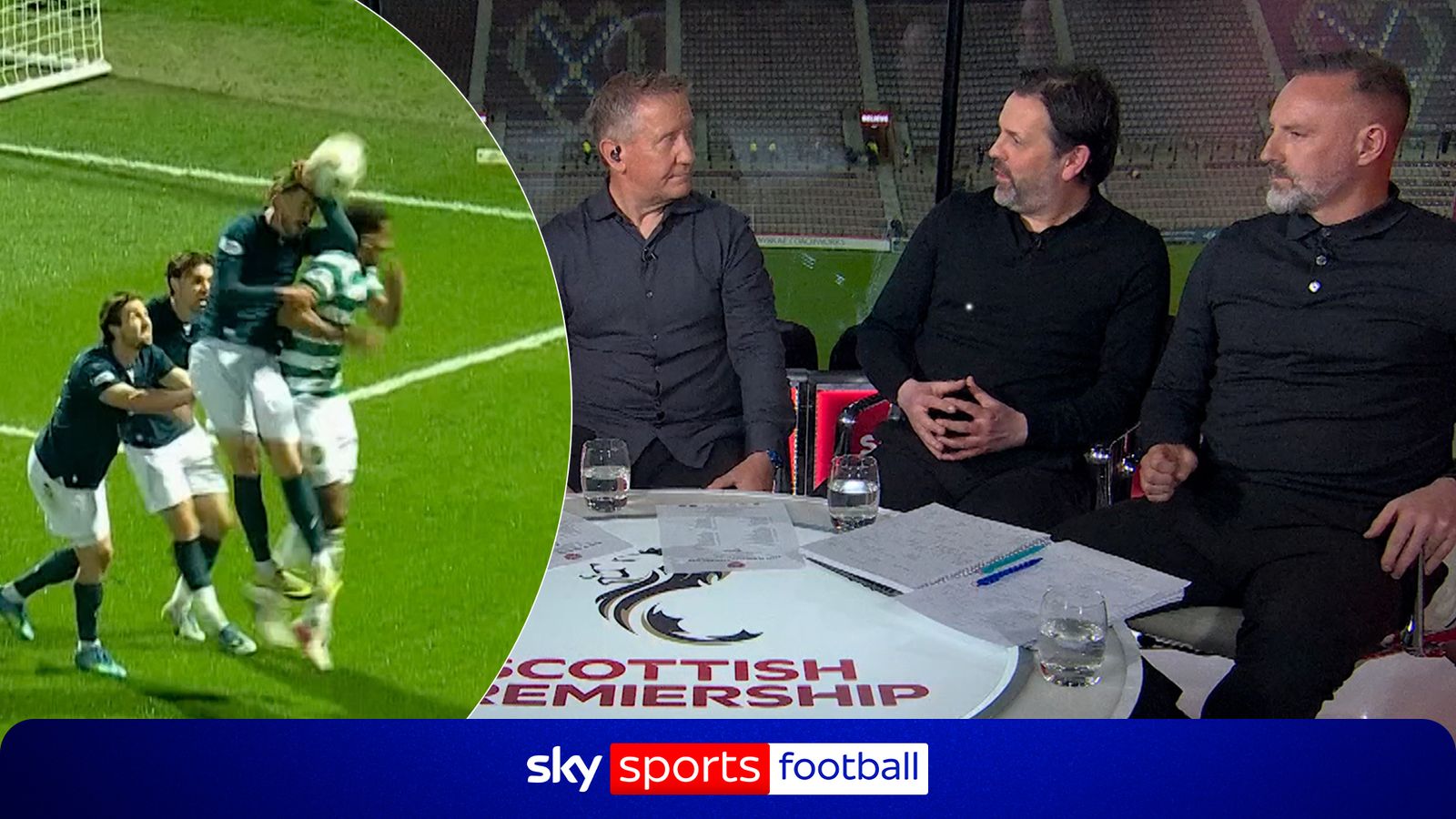
The Endless Echo of Controversy: When is a Goal Not a Goal?
Here we go again, folks. Just when you thought the football world might get a moment of peace, a breath of uncontroversial air, along comes another ‘Ref Watch’ headline. This time, it's the Scottish Premiership under the microscope, specifically a dust-up between Rangers and Falkirk, all thanks to a goal that has everyone asking: should it have stood?
Forget your intricate tactical battles or your wonder strikes for a second. The real drama, the stuff that gets pub arguments boiling and fan forums incandescent, almost always boils down to one thing: a decision. A whistle, a flag, a moment of human judgment (or lack thereof) that flips the script and leaves one side celebrating and the other absolutely seething. This latest incident, revolving around Rangers' opening salvo against Falkirk, is just the freshest chapter in a saga as old as the beautiful game itself.
The Anatomy of a Disputed Strike
Without diving into the granular minutiae – because let's be honest, every single one of us has seen this movie before – the scene is familiar. A ball hits the net, the crowd erupts, and then... a lingering doubt. Was a player offside by the width of a hair? Did a phantom foul occur in the build-up? Was there a hand involved that only the referee, or perhaps a particularly agitated fan in Row Z, could spot? These are the questions that define these moments, turning what should be pure joy into immediate, agonizing debate.
For Rangers, it was a goal that put them ahead, a critical momentum swing in what's always a fiercely contested league. For Falkirk, it was likely the ultimate gut punch – a perceived injustice that fundamentally altered the flow and outcome of the match. The chasm between these two perspectives is where the real story lies, the unbridgeable gap fueled by hope, bias, and the sheer desperation for points.
The Invisible Line: The Referee's Thankless Task
Let's spare a moment, a fleeting one, for the poor soul in the middle. The referee. These men and women are asked to make instantaneous, high-stakes decisions with millions watching, often based on angles that would make a geometry professor weep. They're tasked with policing a game played at warp speed, where the difference between legal contact and a foul, or onside and offside, can be measured in millimeters and microseconds. It's a thankless job, genuinely. Get it right 99 times out of 100, and no one notices. Miss one, even marginally, and you're public enemy number one, your integrity questioned, your lineage scrutinized.
But here's the rub: even understanding the difficulty doesn't erase the feeling of being wronged. For every official sweating under the collar, there's a manager tearing their hair out on the touchline, a player screaming bloody murder, and an entire fanbase convinced the world is against them. The pressure is immense, a constant, crushing weight that often spills over into post-match tirades and appeals to governing bodies.
VAR: Friend or Foe in the Fury?
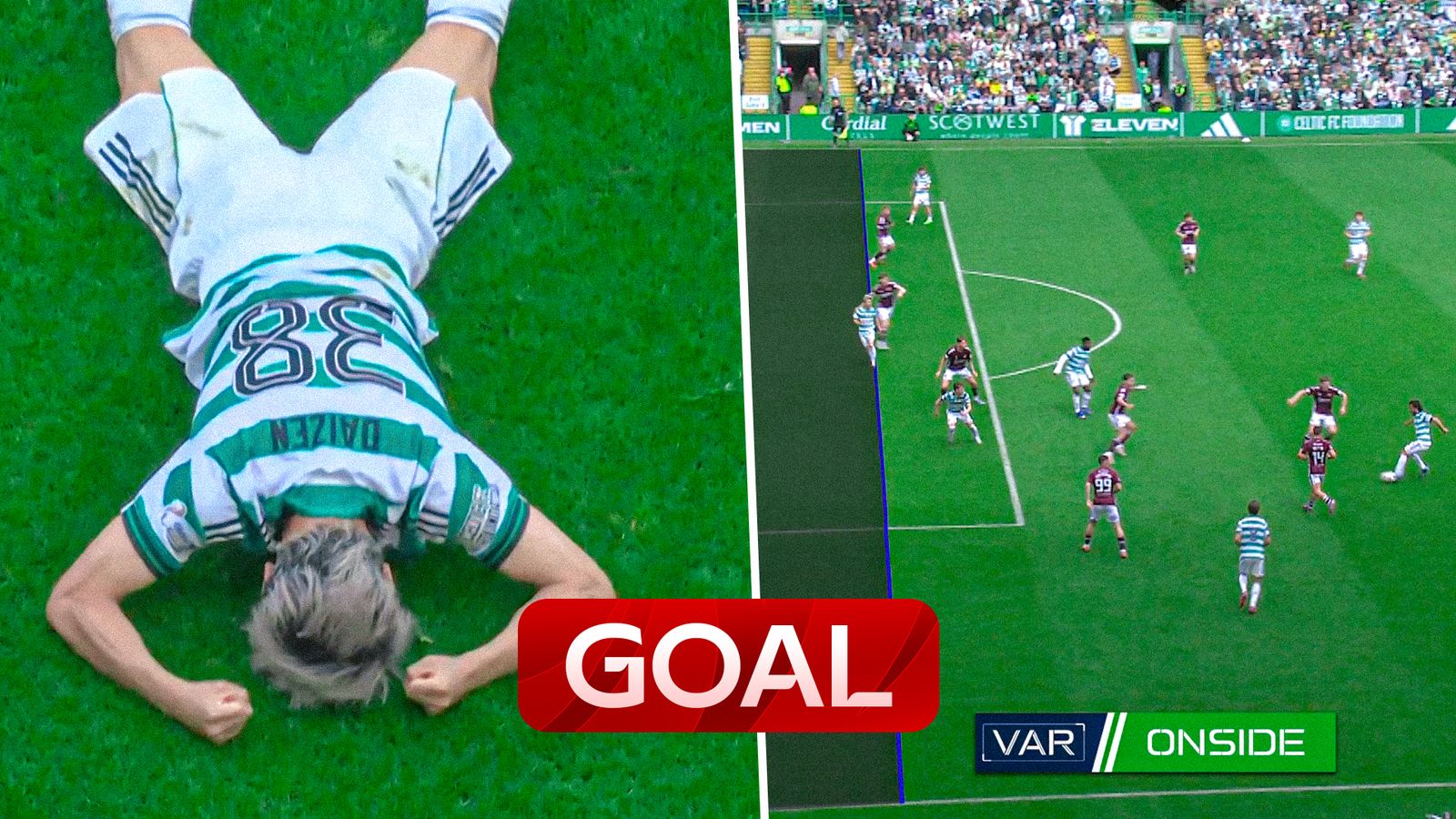
This is where the ghost of VAR inevitably enters the chat, isn't it? In leagues fortunate enough to have it, the argument shifts from 'was it a foul?' to 'was it a *clear and obvious error*?'. And sometimes, like a bad horror movie sequel, that just creates *more* controversy. Slow-motion replays, freeze frames, and squiggly lines that defy logic often manage to confuse as much as they clarify. It turns the art of refereeing into a clinical, dissecting science, stripping away the flow and intuition, only to deliver verdicts that still leave half the stadium furious.
In the Scottish Premiership, where VAR implementation might not be universal or is relatively new, these incidents carry even more weight. There's no higher power to immediately review and potentially overturn the call. The referee's decision, right or wrong, stands. It becomes gospel, irrevocably shaping the result and fueling debates that can rage for weeks, months, or even years, depending on the stakes.
The Fallout: More Than Just Three Points
A controversial goal isn't just about three points on the day. It's about psychology. It's about momentum. It's about the narrative of a season. If Rangers go on to win the league by a narrow margin, this Falkirk goal will be dragged out of the archives and re-examined with forensic intensity. If Falkirk misses out on a promotion spot or suffers relegation because of a point or two, this decision will haunt them like a phantom limb.
These incidents chip away at the collective trust in the officiating system. Fans, already cynical, become even more entrenched in their beliefs that decisions always go against their team, or always in favor of the 'big' clubs. It feeds a siege mentality, a feeling of being an outsider in their own sport. And that, frankly, is a critical problem for the health of any league.
So, should Rangers' first goal at Falkirk have stood? The pundits on Sky Sports are still debating it, dissecting every frame, every angle, and every rule nuance. But the real question is less about the single decision and more about the recurring nightmare of football officiating. When will the game find a way to minimize these flashpoints, to let the skill and drama of the players shine through without being constantly overshadowed by the man with the whistle? Until then, grab your popcorn, because this show – the never-ending 'Ref Watch' – is far from over. And honestly, it's exhausting.
For further discussion on this and other controversial calls, check out the original Sky Sports 'Ref Watch' analysis.
Read Next
- Rangers 6-3 Falkirk was pure tactical brain rot and I loved it
- Arsenal just got clocked in the jaw and Man City are laughing
- Romero's Season Ends: Tottenham's Top-Four Hopes Take Major Blow
- Mary Earps prepares for one final stand against the Spanish machine
- ⚽ Scottish Premiership 2025-26 — Celtic vs Rangers Hub