The collapse of the English hegemony
The wreckage of the Champions League quarter-finals has left a curious, solitary figure standing in the smoke. As Mirror Football reported, Arsenal are now the only English team left in this season's competition. It is a staggering statistic when you consider that six Premier League sides entered the expanded format. The exit of Liverpool, confirmed only yesterday, feels like the end of an era for the current tactical cycle in the North West.
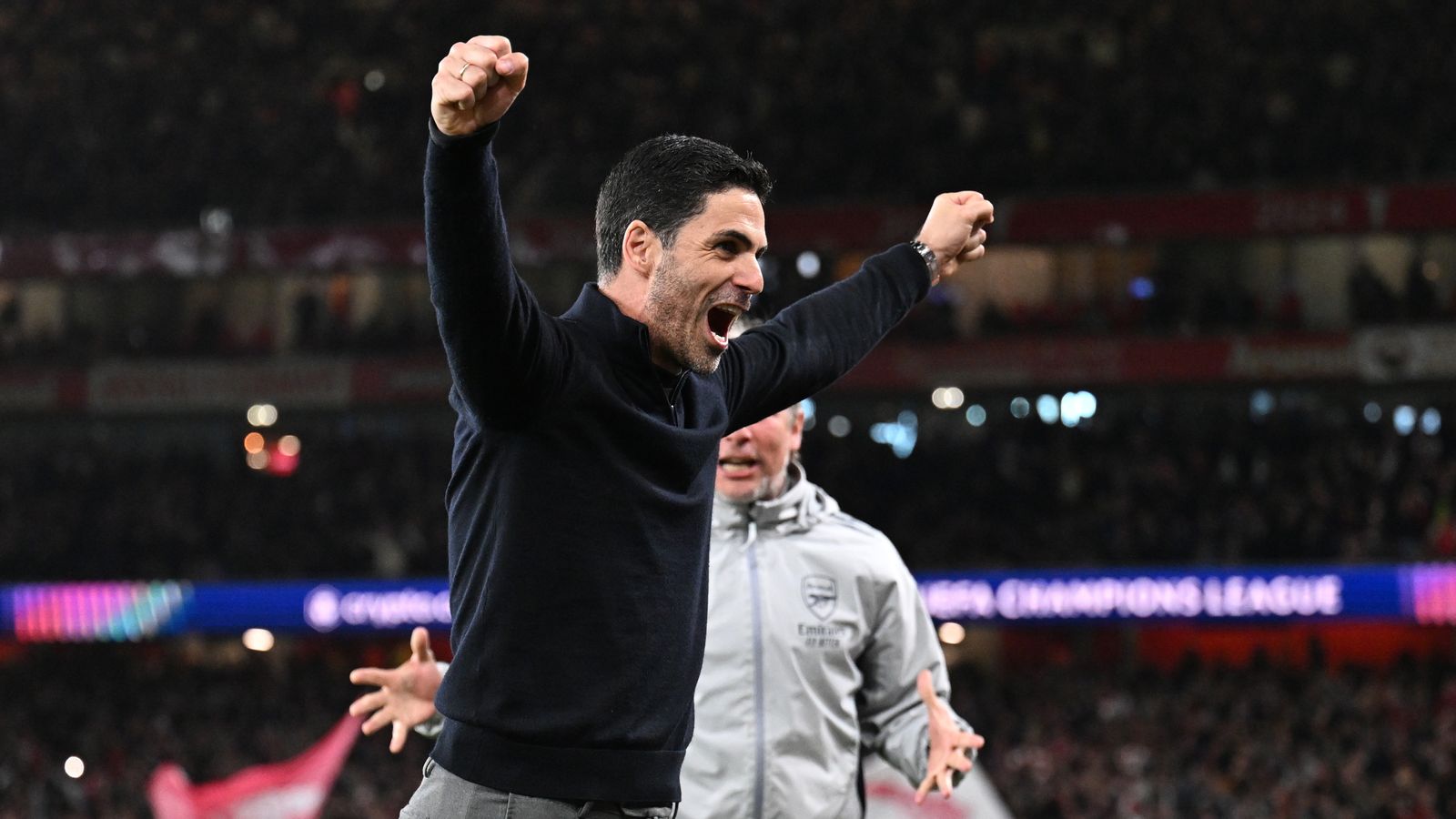
For Arsenal, this isn't just about survival. It is about validation. Mikel Arteta has spent three seasons refining a system designed specifically to withstand the variance of knockout football. While Manchester City and Liverpool have often relied on overwhelming offensive volume, Arteta has leaned into a more rigid, almost suffocating control of space. The metrics suggest it is working. In the eight matches played in Europe this season, Arsenal have conceded just 4.2 xG.
This defensive solidity is not an accident. It is the result of a 4-4-2 mid-block that transitions into a suffocating 2-3-5 in possession. William Saliba and Gabriel Magalhães are no longer just talented young defenders; in 2026, they have become the most dependable partnership in world football. Their ability to defend 40 yards of open space behind them allows Declan Rice to hunt for interceptions in the middle third without fear of a catastrophic transition.
The burden of being the final representative
There is a psychological weight to being the 'last English hope' that has crushed better teams than this. We saw it with Chelsea in 2012 and Manchester City in their darker years. The narrative shift from 'Arsenal are title contenders' to 'Arsenal must save the coefficient' is a dangerous one. It invites a level of scrutiny that can paralyze a squad that is still, despite its growth, relatively young on the European stage.
The power rankings provided by recent reports suggest Arsenal are currently second favorites, trailing only a resurgent Real Madrid. That ranking feels earned. Since the turn of the year, Martin Ødegaard has been operating in a stratosphere of his own. His pass completion under pressure has hovered around 91 percent, a figure that defies the risk-reward ratio of his role as the primary creator. He isn't just picking locks; he is redefining where the doors are located.
However, the exit of the other five English sides should serve as a warning. The Champions League in 2026 has punished teams that try to play the game on their own terms for 90 minutes. Modern European football is about moments of chaotic management. You can control the ball for 70 minutes, but if you cannot manage the 10 minutes of madness that follows a contentious refereeing decision, you are finished.
The tactical flaw in Arteta’s perfectionism
Despite the praise, there is a recurring shadow over this Arsenal side. Arteta’s obsession with control often leads to a lack of spontaneity when the primary plan is disrupted. We saw it in the first leg of the quarter-final. When the opposition sat in a deep, narrow block and refused to be baited into pressing, Arsenal’s lateral ball circulation became predictable. There is a fine line between patience and paralysis.
Arsenal have the best defensive structure in Europe, but their refusal to embrace chaos might be their undoing in a two-legged semi-final.
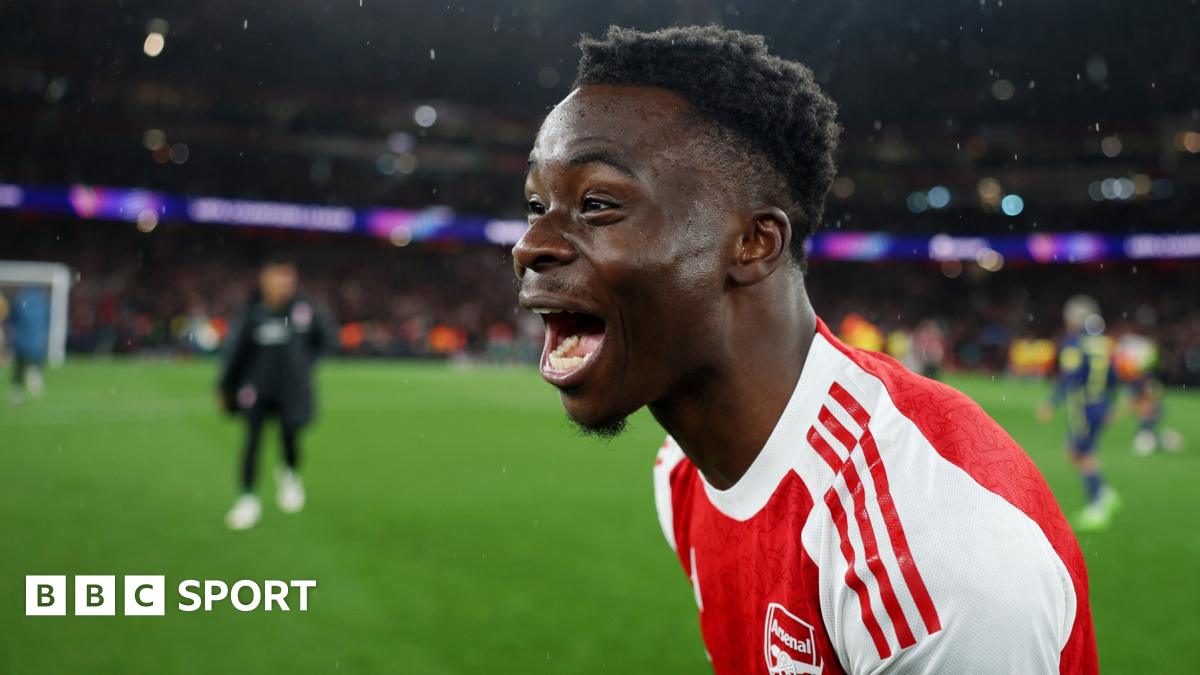
The lack of a traditional, physical 'Plan B' remains a concern. Kai Havertz has evolved into a magnificent facilitator, but he lacks the predatory instinct required when a game is reduced to a scrap in the six-yard box. If Gabriel Jesus is not at 100 percent, the burden falls entirely on Bukayo Saka to provide the individual brilliance. In the 82nd minute of a cagey semi-final, is that enough? I am not convinced.
Furthermore, the physical toll on Declan Rice is beginning to show. He has played more minutes than any other midfielder in the Premier League this season. In the final twenty minutes of recent matches, his recovery sprints have lacked their usual explosive quality. If the opposition identifies this and targets the space behind him, the entire defensive structure could collapse like a house of cards.
What to watch for in the first leg
The upcoming semi-final will likely be won or lost in the half-spaces. Arsenal’s use of Ben White and Jurrien Timber as inverted fullbacks creates a central overload that most teams cannot track. Watch for the way Ødegaard drops deep to lure a central midfielder out of position, leaving space for Saka to cut inside. It is a pattern as old as Arteta’s tenure, yet few have found a consistent counter to it.
The opposition will likely look to exploit Arsenal’s high line with direct balls over the top. While Saliba is fast, he can be caught flat-footed by runners starting from a deeper position. A quick turnover in the middle third followed by a direct ball into the channels is the blueprint for beating this team. Arsenal must ensure their counter-press is immediate and violent, or they will be exposed.
Fatigue will also be a factor. With the Premier League title race still in a dead heat, Arteta does not have the luxury of rotating his key assets. This is the price of success. You are asked to climb the highest mountains with lead in your boots. The mental fortitude required to switch from a high-stakes league match to a Champions League semi-final in 72 hours is immense.
The verdict and a confident call
Arsenal are better than they were last year. They are more mature, more resilient, and tactically more versatile. But the Champions League is a cruel mistress that does not care for progression charts or xG tables. It cares about the ruthless application of skill under the most intense pressure imaginable. Arsenal have the skill; the question is whether they have the cold-bloodedness to finish the job.
I expect the first leg to be a masterclass in tactical discipline. Arsenal will dominate the ball, the opposition will look to break, and the game will likely be decided by a single set-piece or a moment of individual magic from Saka. The Emirates Stadium will be a cauldron, but we have seen this team struggle to breathe in that heat before. They must prove that the 'bottling' narrative of years past is truly buried.
My prediction: Arsenal will secure a narrow 1-0 victory in the first leg. It won't be pretty, and it will involve a lot of nervous energy in the closing stages, but their defensive structure is simply too good to be broken down easily at home. They will take that slender lead to the second leg, where the real test of their character begins. Own it: Arsenal are the favorites here, and anything less than a final appearance is a failure.
Read Next
- Arsenal's anxiety ahead of City is the ultimate proof of their evolution
- Declan Rice shuts down the noise as Arsenal march to the semi-finals
- Arsenal are painfully boring right now, but it might win them Europe
- Arsenal limped into the semi-finals but nobody is celebrating
- ⭐ UCL 2026 — Champions League Quarter-Finals Hub