The 1-1 Collapse at Bournemouth
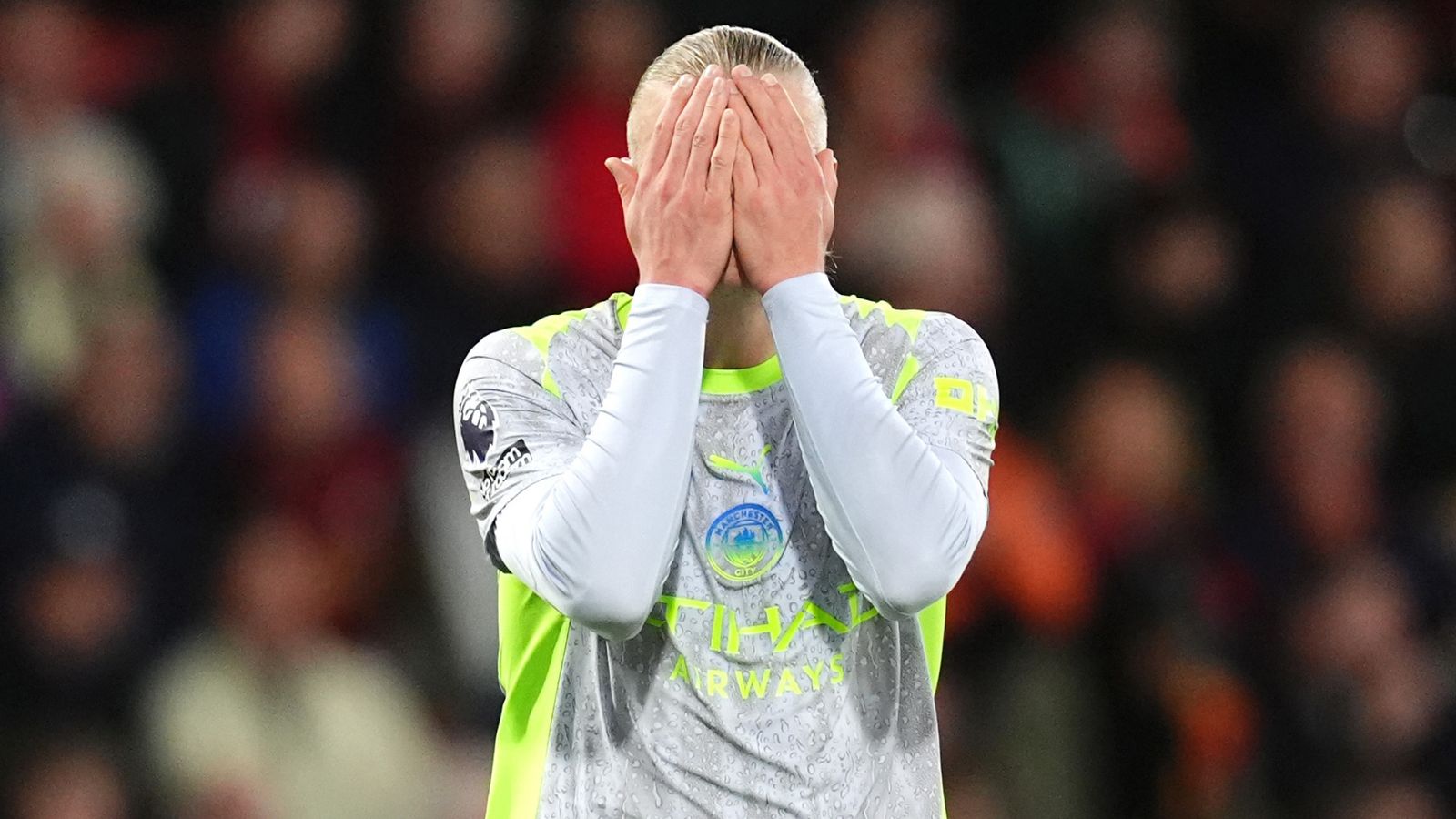
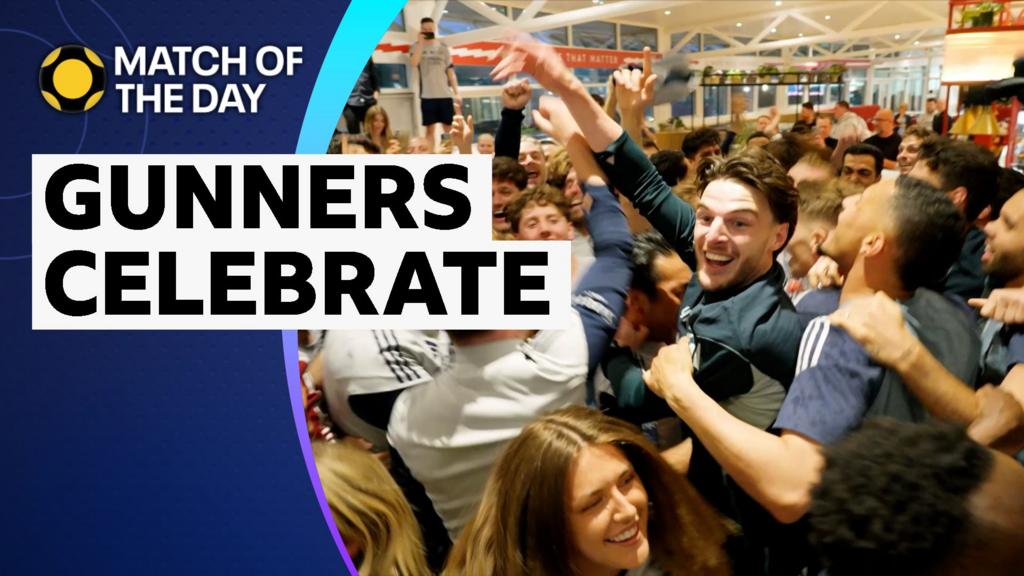
The math was simple, yet Manchester City failed to solve for X at the Vitality Stadium. By conceding a draw to Bournemouth, Pep Guardiola surrendered the Premier League title with one match remaining, ending a 22-year wait for Arsenal fans starved of league glory.
This outcome was statistically improbable given the historical gravity City typically asserts in mid-May run-ins. Guardiola’s side needed a win to keep their pursuit alive, but instead, they drifted into a stalemate. It is a rare technical failure for a manager whose tenure is defined by mathematical precision.
The Anatomy of the Reset
Arsenal’s ascent to the summit is not merely a consequence of City’s slip-up; it is the result of a calculated internal adjustment. Mikel Arteta’s recent pivot prioritized psychological endurance during the final stages of the season. The data suggests this was a necessity, as the squad navigated high-pressure fixtures with a higher concentration of defensive blocks compared to the previous campaign.
The End of the Guardiola Era
Perhaps the most jarring variable is the looming silence at the Etihad. Guardiola has reportedly informed his players he will vacate his position following Sunday’s final match. For a manager with six Premier League titles to his name, this departure feels like the conclusion of a distinct period of dominance. Statistics indicate this season lacked the sustained, relentless closing acceleration often visible in his past championship-winning runs, suggesting the internal motivation may have peaked elsewhere.
The Integrity Deficit at Southampton
While the Premier League title was decided by the fine margins of a draw, the EFL Championship faced a structural crisis. Southampton were removed from the play-off final against Hull City after admitting to espionage on three separate occasions.
The dismissal of the Saints effectively shifted the bracket. Middlesbrough now occupies the vacancy, shifting the competitive dynamics at Wembley. This scandal is not just a regulatory footnote; it represents a significant failure in institutional governance. When a club is ejected for repeatedly gathering unauthorized sensory data on three different opponents, it calls into question the baseline fairness of the entire promotion process. A professional organization losing its reputation over mid-level data collection is a staggering miscalculation of risk versus reward.
The Viewing Paradox
Elsewhere, UEFA is projecting high viewership for the upcoming Champions League final on May 28, 2026. Despite the lack of free-to-air access, projections indicate an increase in eyes on the screen compared to previous years. The presence of an English club remains the primary driver. It begs the question: are we overestimating the impact of accessibility in modern broadcasting, or is the pull of the European trophy simply large enough to negate the friction of a paywall?
The data from this week confirms a shifting of guards across English football. Arsenal have finally closed the gap. City’s dynasty is potentially facing a hard reset. And at the bottom of the pyramid, the cost of being caught playing by the wrong rules has never been higher.
Read Next