The blueprint to stifle English creativity
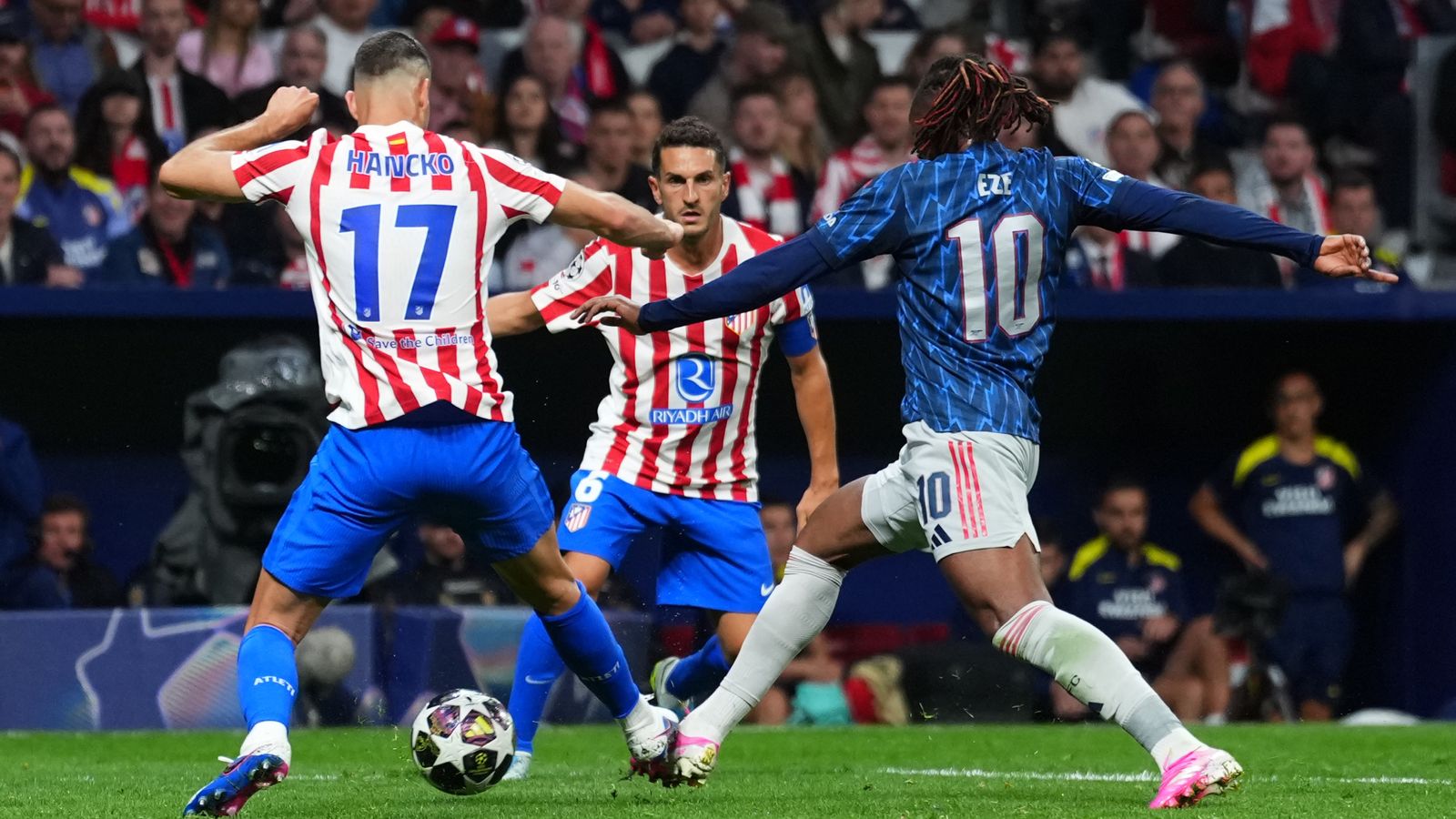
Watching the breakdown of Arsenal's tactical approach against Atletico Madrid offers more than just domestic frustration. It provides a direct window into the problems awaiting England this summer. Mikel Arteta has built a possession machine, but against Simeone's compact block, the gears ground to an ugly halt.
Atletico kept it simple. They deployed a rigid mid-block, refusing to engage Arsenal's center-backs high up the pitch while clogging the central channels. This forced the ball out wide, writing the exact script international managers will use against England.
International football is inherently risk-averse. Teams have less time to drill complex pressing triggers, defaulting to solid defensive structures. If Arsenal cannot break down a stubborn block with daily training sessions, England’s heavily Arsenal-influenced core will struggle under tournament conditions.
You can look at the passing networks from the match to see the breakdown. Arsenal managed just 0.82 expected goals despite dominating possession. The center-backs enjoyed massive amounts of unpressured time on the ball, but the passing options evaporated in the final third.
Simeone's 5-3-2 shape created an impenetrable central barrier. The distances between the midfield three and the defensive line were incredibly tight. This suffocated the space normally operated in by the attacking midfielders.
This is the exact defensive shape that has tormented England in previous tournaments. Managers know that allowing England to dictate play through the middle is a losing battle. Instead, they pack the center and dare the wingers to beat double teams.
The midfield pivot dilemma
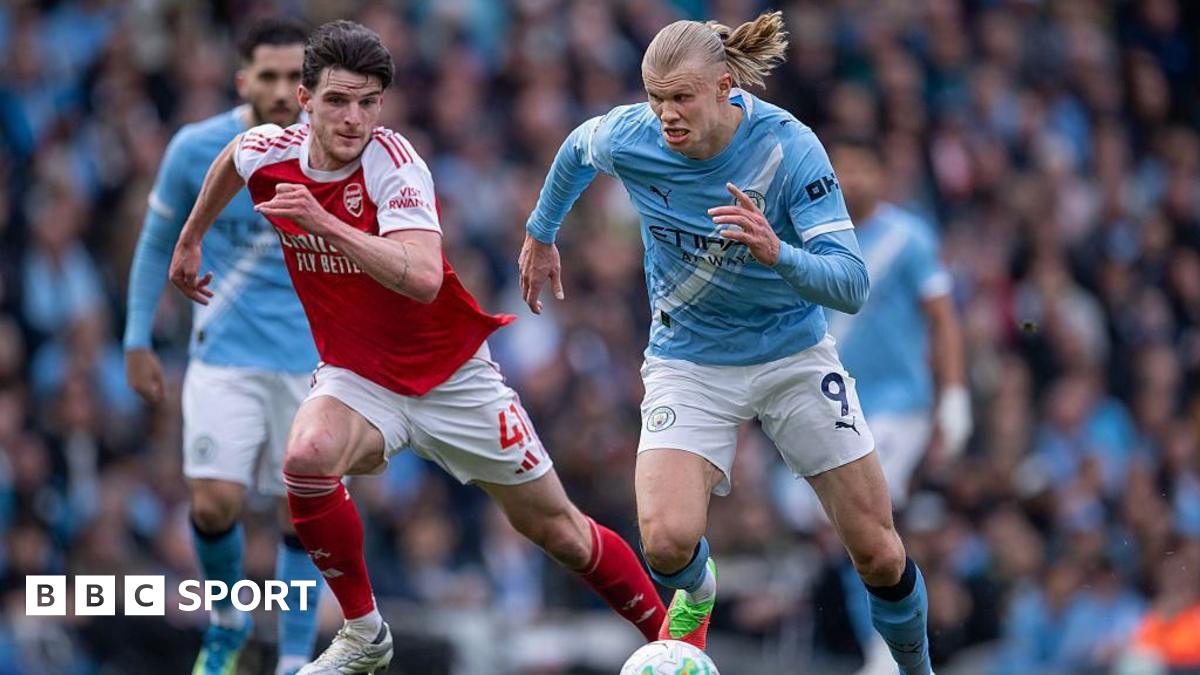
Declan Rice is the undeniable anchor for both his club and country. His ball recovery metrics and physical presence remain elite. However, Atletico exposed a recurring issue in how he operates during settled possession against elite opposition.
When Arsenal attempts to break down a low block, Rice is often tasked with circulating the ball under pressure. Atletico’s forwards applied smart, angled pressure to cut off his passing lanes to the more creative midfielders. They forced him to play safe, lateral passes that slowed the overall tempo.
England faces the exact same structural problem heading into the World Cup. Without a natural deep-lying playmaker, the national team relies heavily on Rice to progress the ball. Opponents will simply shadow him, forcing the center-backs into hopeful long balls or predictable circulation.
The lack of central progression is a glaring flaw. It puts an immense burden on the wide players to create something out of nothing while making passing lanes predictable. If Rice drops between the center-backs to get on the ball, the entire attacking shape pushes deeper.
This isolates the central striker and leaves the wingers desperately waiting for service. Furthermore, without a secondary progressive passer next to him, the midfield becomes one-dimensional. The resulting stagnation is painful to watch against well-drilled defenses.
Isolation on the flanks
Bukayo Saka is a phenomenon, but he is not immune to tactical isolation. Against Atletico, he was consistently facing double-teams. The Spanish side instructed their left wing-back to stay tight while a central midfielder shifted over to block the inside channel.
At club level, Saka usually relies on quick combinations with his fullback and right-sided central midfielder to escape these traps. Atletico recognized this and aggressively disrupted those specific passing triangles. Saka was left on an island, forced into low-percentage crosses or easily readable cutbacks.
This should terrify the England coaching staff. England’s attacking output relies heavily on Saka’s individual brilliance to unlock tight matches. However, the national team rarely replicates the intricate overlapping patterns that Arsenal uses to free him.
If he is suffocated by a well-drilled defense, England’s primary attacking avenue disappears. Simeone’s trap was beautifully simple. Allow the ball to travel to the right wing, instantly double up, and aggressively step in front of the return pass.
It resulted in numerous turnovers in dangerous areas. For England, the problem is compounded by a historical reliance on individual moments over structural advantages. You cannot simply ask a winger to beat two elite defenders every single time they touch the ball.
The left side of the pitch remains a tactical wasteland by comparison. Without a natural, aggressive overlapping left-back, opponents simply tilt their defensive shape toward Saka's side. Atletico demonstrated exactly how effective this asymmetric defensive structure can be in modern football.
They surrendered the opposite flank almost entirely. They knew the delivery from deep wide areas was relatively harmless and easily dealt with by their towering center-backs. It was a calculated risk that paid off perfectly.
Defensive transitions and the counter-attack
Arsenal usually smothers teams with a suffocating counter-press. When they lose the ball, they immediately swarm the opponent, aiming to win it back high up the pitch. Atletico bypassed this entire phase of play.
Instead of trying to play through the pressure, Simeone's side used immediate, direct passes into the channels. They targeted the spaces left vacated by Arsenal's advancing fullbacks. This forced the center-backs into uncomfortable one-on-one footraces while tracking back towards their own goal.
England will be equally vulnerable to this exact pattern. International teams excel at sitting deep and springing rapid counter-attacks. The space behind England’s fullbacks will be targeted relentlessly by quicker opposition forwards.
If the initial counter-press fails—and against elite opposition, it often does—the defensive line will be brutally exposed. The transition from attack to defense requires perfect synchronization. Arsenal usually has it, yet they were still caught out.
England, with far less time on the training pitch, will inevitably leave larger gaps. Opposing managers will instruct their quickest forwards to hang on the shoulder of the last defender. They will simply wait for that single direct ball over the top.
We saw hints of this vulnerability in previous tournaments. Teams that can transition quickly from back to front cause utter chaos for possession-dominant sides. Atletico provided a masterclass in exploiting that specific weakness, hitting the channels before the defensive shape could organize.
The final verdict
The optimism surrounding England's World Cup chances often ignores the tactical realities of tournament football. The squad is packed with attacking talent, but talent alone does not break down a 5-3-2 formation designed to frustrate. Arsenal’s inability to dismantle Atletico Madrid is a blaring warning siren.
It highlighted the limitations of relying on wing play without central progression. It exposed the vulnerabilities of an aggressive defensive line against direct counter-attacks. Most importantly, it showed that individual brilliance can be completely nullified by coordinated team defense.
My prediction is entirely based on these structural flaws. England will comfortably navigate the group stages, overpowering weaker teams with sheer attacking quality. The media will build them up, ignoring the underlying tactical issues entirely.
Then, they will face a well-organized, top-tier side in the knockout rounds. They will run into a team that does not care about possession stats. They will play a side willing to suffer without the ball for long stretches to secure a 1-0 victory.
When that happens, the Atletico blueprint will be applied flawlessly. The game will be dragged into the mud. The midfield will be bypassed, the wingers will be doubled, and the space in behind will be exploited ruthlessly.
I am predicting an England elimination in the Quarter-Finals. The tactical rigidity required to win international tournaments is missing. Until the national team can figure out how to break down elite low blocks, they will continue to fall short against the best in the world.
Read Next
- The Top 10 Moments Shaping the Final Stretch of 2026
- Top 10: The World Cup 2026 Countdown
- Arsenal finally shed their European baggage ahead of the UCL final
- How Arsenal suffocated Atletico to end a 20-year Champions League wait
- 🏆 World Cup 2026 — Full Coverage Hub
- 🏴 England World Cup 2026 — Three Lions Hub
- ⭐ UCL 2026 — Champions League Quarter-Finals Hub