The cost of the cup run
Arsenal reached the FA Cup final this weekend, but the victory came at a price that could derail their Premier League finish. Tactical discipline gave way to physical fatigue in the dying minutes at Wembley. While the manager praised the collective resolve, medical staff were seen evaluating key defensive assets immediately after the final whistle.
Reports within the club tunnel suggest a recurring issue with hamstrings across the back four. The schedule is unforgiving. With an Champions League semi-final leg looming on April 28, the recovery window is functionally non-existent. Overplaying the same defensive unit for three consecutive competitions has moved from high-risk to unsustainable.
Tactical fatigue vs injury
The transition from defensive block to counter remains the foundation of this team. However, the closing 15 minutes of the semi-final revealed a lack of explosive recovery speed. When defenders cannot close down space with their usual intensity, the entire press structure collapses. It forces midfielders to drop deeper, diluting the offensive threat.
Historical patterns indicate that such localized wear and tear leads to significant soft tissue tears if ignored. Teams that reach this stage of a season while playing a high-line defensive game often see a 20 percent increase in muscle-related absence. Ignoring this trend usually results in a late-season point drop.
The Champions League variable
The 1-day turnaround before the first leg of their European tie leaves little margin for error. Rotation is no longer a luxury, yet the bench lacks the requisite experience to maintain the defensive standard. This creates a binary choice for the coaching staff. Either they sacrifice domestic intensity or they risk high-value assets for a trophy they may no longer have the personnel to contest.
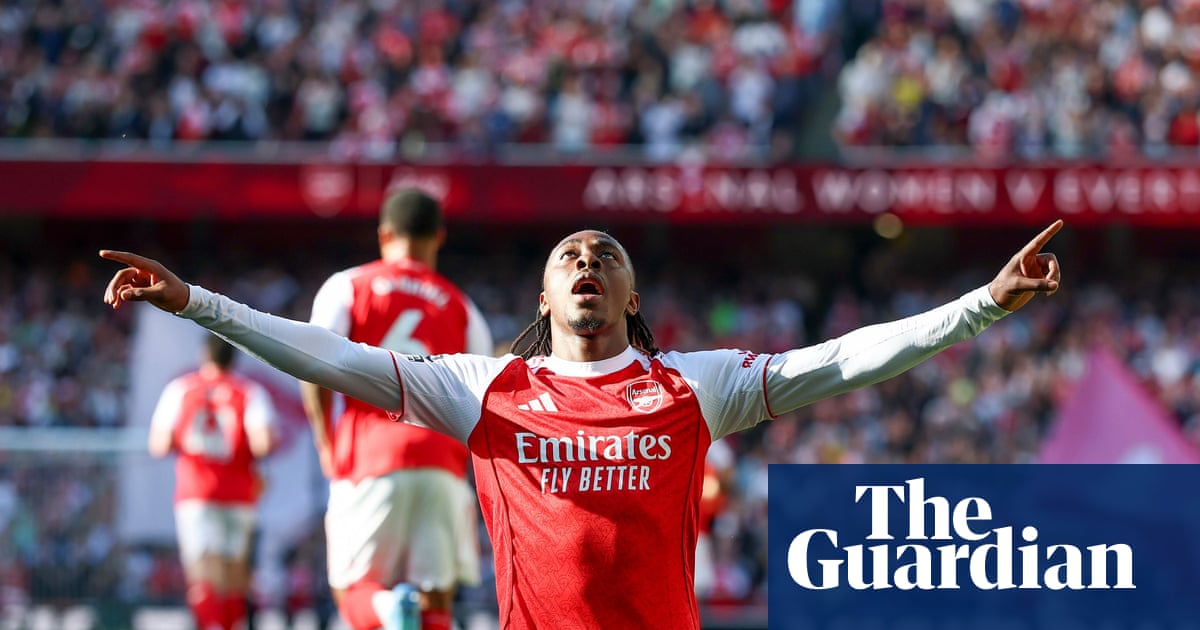
As The Guardian reported, the path to the cup final was fraught with uncertainty. Southampton almost capitalized on a lapse in organization that stemmed directly from a lack of defensive coverage. That three-minute window of vulnerability serves as a primer for what awaits against tougher European opposition.
Strategic negligence
The reliance on a fixed core of players is a tactical gamble that ignores the basic reality of biology. When elite athletes are pushed through 50-plus games in a single year, efficiency drops. The current injury markers suggest the squad is running on fumes and anti-inflammatories.
Critical observation: The lack of a clear exit-plan for injured starters during the cup tie suggests a refusal to accept the reality of the situation. Winning at the cost of the next two weeks of fixtures is not a strategic success. It is a tactical short-termism that frequently ruins title bids. The result on the scoreboard is clear, but the impact deep in the medical ward is what will define the end of May.
If the rotation does not begin by the May 05 return leg, the probability of a season-ending injury becomes near certainty. The coaching staff has the data; they have the tracking telemetry from every training session. Continuing to field players who show high-variance fatigue markers is not a sign of grit. It is a failure of management.
The return date estimates for these minor knocks are currently fluid. Depending on the intensity of the recovery sessions on April 28, players could miss anywhere from one to three weeks. In the current climate of the Premier League, sitting out for three weeks is equivalent to throwing away the trophy.
Read Next
- Arsenal are top of the league and everyone is completely miserable
- Arsenal and City are trapped in a digital pressure cooker
- Arsenal's narrow margins reveal the grit behind the 1-0 result
- Arsenal's title path is looking increasingly narrow as fatigue set in
- ⭐ UCL 2026 — Champions League Quarter-Finals Hub