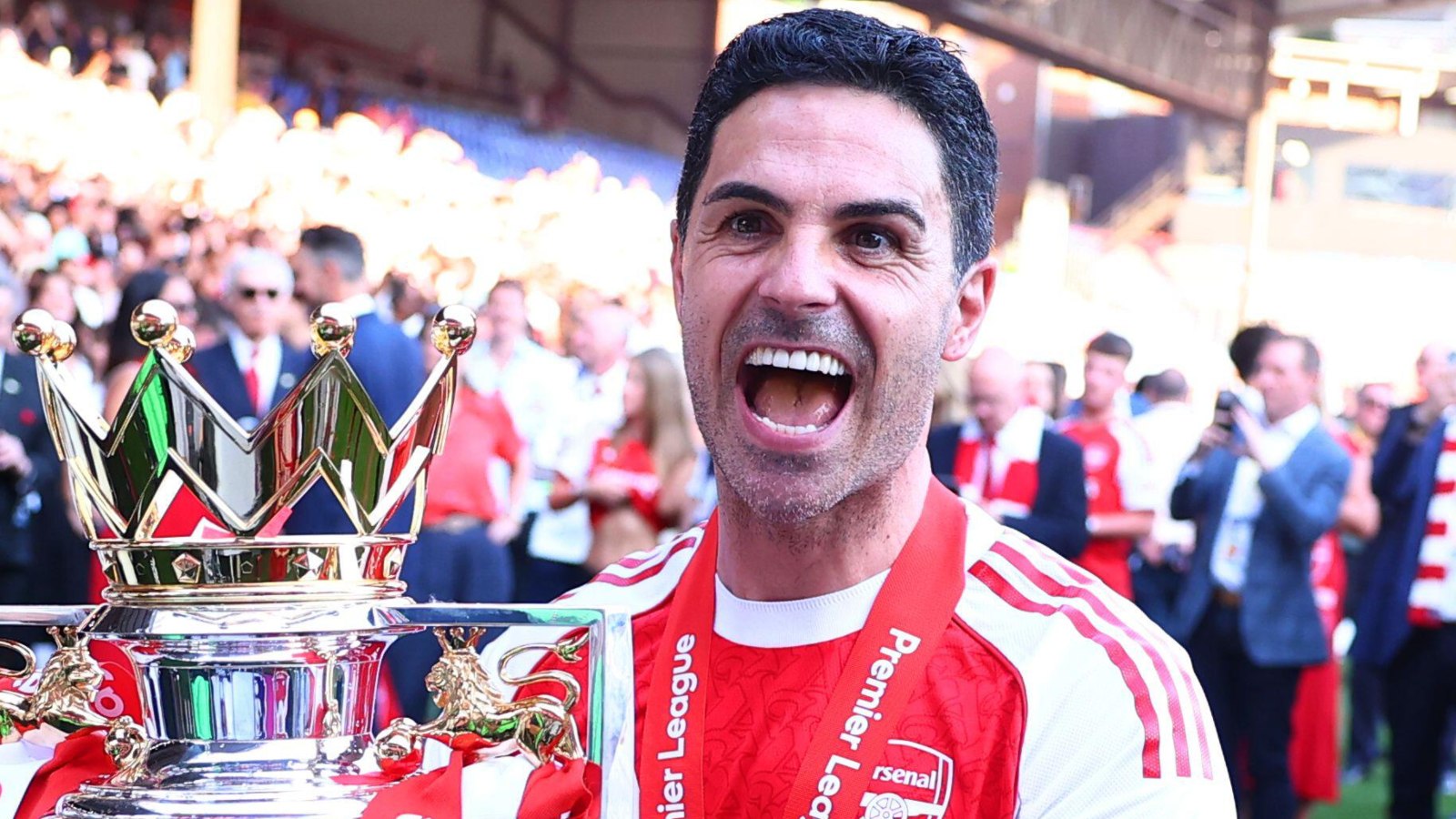
Arsenal are officially the 2026 Premier League champions. The final whistle blew, the confetti dropped, and Declan Rice delivered the post-match message fans have waited decades to hear. The long wait is over. The Gunners have conquered England.
But from a medical and sports science perspective, this title was not won on the pitch in May. It was secured in the recovery rooms between February and April.
For years, Arsenal's late-season collapse was the most predictable event in English football. The narrative was always framed around mentality. Pundits called them soft. Critics questioned their leadership. Broadcasters spent hours debating their psychological toughness on television panels.
The medical data always told a different, much colder story. Arsenal did not lack grit. They lacked functioning hamstrings.
Look back at the 2022/23 season. The club was flying until March. Then William Saliba suffered a structural back injury against Sporting CP. Takehiro Tomiyasu wrecked his knee in the exact same match. The defensive line collapsed. Manchester City ruthlessly exploited the physical drop-off, chased them down, and took the trophy.
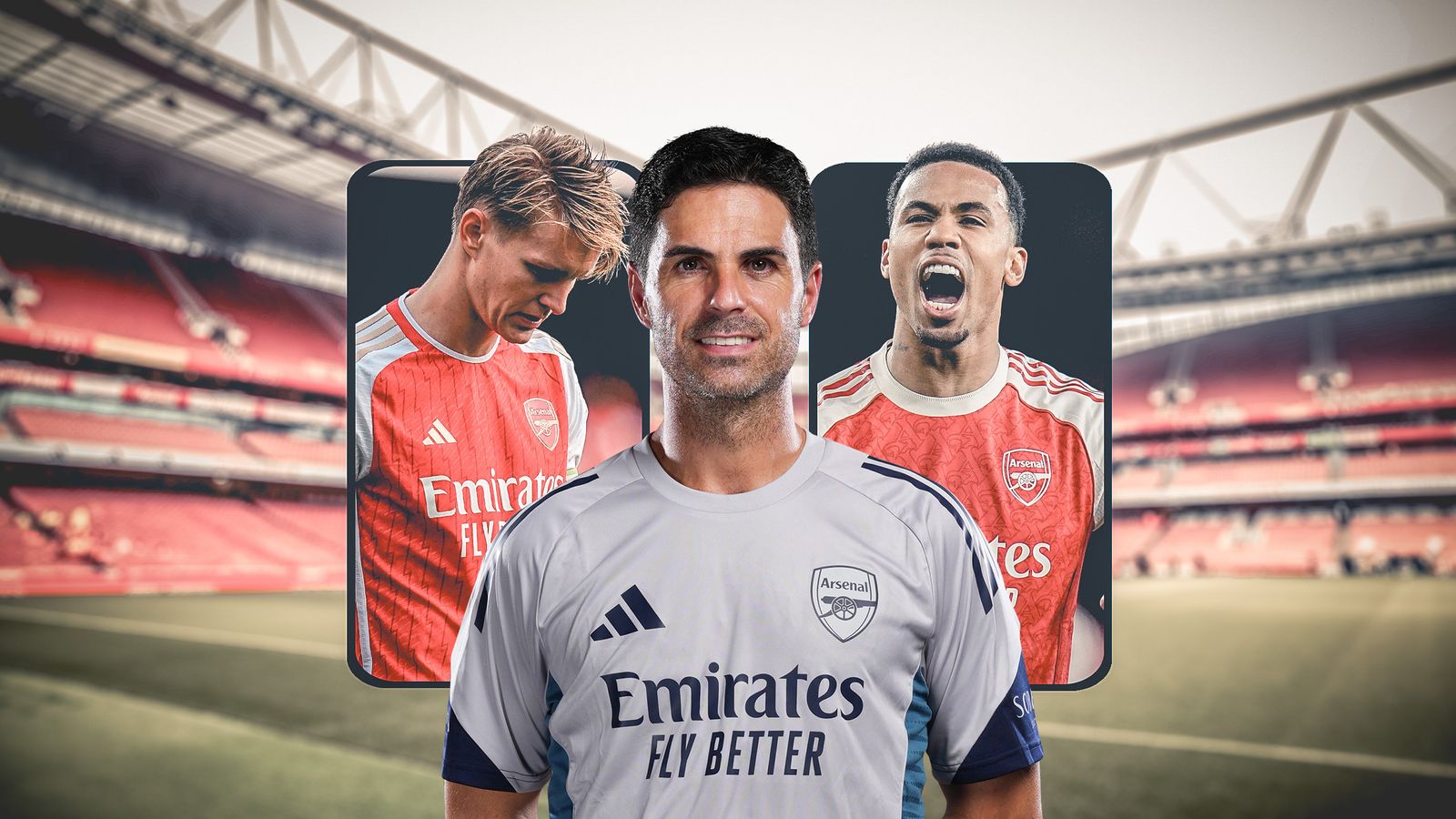
The 2023/24 campaign offered a similar physical reality. Jurrien Timber tore his ACL on the opening weekend. Thomas Partey spent months on the treatment table with persistent muscular issues. Mikel Arteta's high-intensity pressing system simply ran players into the red zone. When the fixture list congested in the spring, muscles failed. The squad was physically completely spent by the time the run-in began.
This year, the script flipped entirely. Arsenal stayed intact.
The anomaly of Declan Rice
Declan Rice was the loudest voice during the title celebrations. He has earned the right to speak, and his post-match comments reflected the massive relief of a squad that finally crossed the finish line intact.
His physical output this season is a statistical outlier. Midfielders playing in a high-pressing pivot typically see a massive spike in soft-tissue injury risk after crossing the 2,500-minute threshold. Rice smashed through that barrier months ago. He covers elite distances, registers high-intensity sprints in the 89th minute, and wakes up ready to do it again three days later.
Blood lactate testing routinely shows players in his position hitting physical exhaustion by the 75th minute. Rice simply keeps running. The sports science industry is fascinated by players with this rare genetic and biomechanical profile. Rice does not break down. He absorbs the physical burden that used to fracture Arsenal's midfield completely.
By staying fit and covering massive defensive ground, he shielded playmakers like Martin Ødegaard from dropping deep. Ødegaard was saved from expending unnecessary energy in defensive transitions, keeping his own injury risk significantly lower.
Fatigue makes cowards of us all, but it also degrades decision-making. Late-game goals are rarely conceded purely due to a lack of focus. They happen because lactic acid buildup slows the reaction time of a defender by a fraction of a second. Rice's ability to clear lactic acid and maintain his top speed in the dying moments of matches effectively closed out games that Arsenal would have drawn in previous years.
Soft-tissue success across the squad
Football medical departments judge themselves on one main metric: preventable soft-tissue injuries.
Contact injuries are entirely luck. A bad tackle can snap an ankle. A weird landing can tear a meniscus. You cannot train a knee joint to survive a 180-pound opponent falling directly on it.
Muscle pulls are entirely different. Hamstrings, calves, and groin strains are usually load-management failures. They happen when a player is pushed past their recovery capacity and asked to sprint.
Arsenal's medical staff aggressively managed load this season. We saw earlier substitutions from Arteta. We saw modified training days. We saw a stark reduction in the explosive sprint metrics required during low-block training drills at London Colney. They actively traded midweek training intensity for weekend match fitness.
It paid off massively. Look at the rest of the Premier League. Manchester City usually peak in April, largely due to Pep Guardiola's strict rotation policy. But even City's incredibly deep squad started to show severe cracks this season under the weight of the expanded Champions League format. Kevin De Bruyne's recurring hamstring issues and Rodri's visible exhaustion highlighted the physical breaking point of modern football.
Liverpool's squad dealt with persistent muscular issues in their defensive line, forcing them to rotate heavily and drop critical points during the brutal winter pile-up. Ibrahima Konaté spent significant time sidelined, leaving their high line deeply vulnerable.
Chelsea and Manchester United continue to be case studies in how chaotic medical departments ruin seasons. United's inability to keep a consistent back four fit has been a running joke in sports science circles. They constantly rush players back from groin strains, resulting in immediate re-injury. Arsenal used to make those exactly same desperate medical gambles. Not anymore.
Arsenal's own European campaign heavily influenced this outcome. The physical tax of midweek continental football is the ultimate variable in domestic title races. While other elite European clubs are currently managing player loads ahead of the massive UCL Final on May 28, Arsenal were eliminated early enough to focus their entire medical operation on the Premier League run-in. They avoided the brutal Tuesday-to-Saturday turnarounds that traditionally snap hamstrings.
The Bukayo Saka risk
This medical triumph is not without glaring flaws. Every proper analysis requires looking at the weak points, and Arsenal's handling of Bukayo Saka remains highly questionable.
Mikel Arteta has a stubborn blind spot when it comes to his star winger. Saka has been visibly exhausted for weeks. He limped through domestic cup matches that should have been used for hard rest. He absorbed heavy tackles from frustrated fullbacks while playing in matches that were already mathematically won.
The medical staff got away with it this year. Saka avoided a catastrophic failure. But running an explosive winger into the ground is a ticking clock.
Sports science data is ruthless on this subject. Players who accumulate extreme minutes before the age of 24 often suffer severe physical drop-offs by their late twenties. Arsenal won the title, but their refusal to protect Saka is a negligent gamble with a generational talent. They drained his physical reserves entirely to secure this trophy.
The incoming summer tax
The celebration in North London will be brief. The football calendar does not allow for actual recovery.
We are exactly 23 days away from the 2026 FIFA World Cup kickoff. The tournament starts on June 11 in North America.
Arsenal's core players are jumping directly from a grueling 38-game title fight into a massive 48-team international tournament. The travel demands alone are staggering. Players will fly across the Atlantic, deal with extreme climate shifts, and play high-stakes matches on heavily watered pitches in massive stadiums.
This is the modern reality of elite football. There is no true off-season. The demands only escalate year after year.
FIFPRO and global sports scientists have loudly warned about the breaking point. We are seeing elite players forced into calendars demanding 70 appearances a year. The human body is not designed to absorb this level of constant, high-speed deceleration and physical contact without eventually snapping.
Declan Rice will be asked to anchor the England midfield in the sweltering American heat. Saka will be asked to sprint down the touchline against fresh defenders. William Saliba will marshal the French defense against the best attackers on the planet.
Arsenal's medical team won the 2025/26 Premier League by keeping their players out of the physio room. Their reward is watching those same players fly to a different continent to exhaust themselves all over again.
When the players eventually return to London in late July, the medical staff will have to rebuild them from scratch. The title is secured, the medals are handed out, and the fans are celebrating. But in the medical department, the anxiety over the physical toll starts tomorrow morning.
Read Next